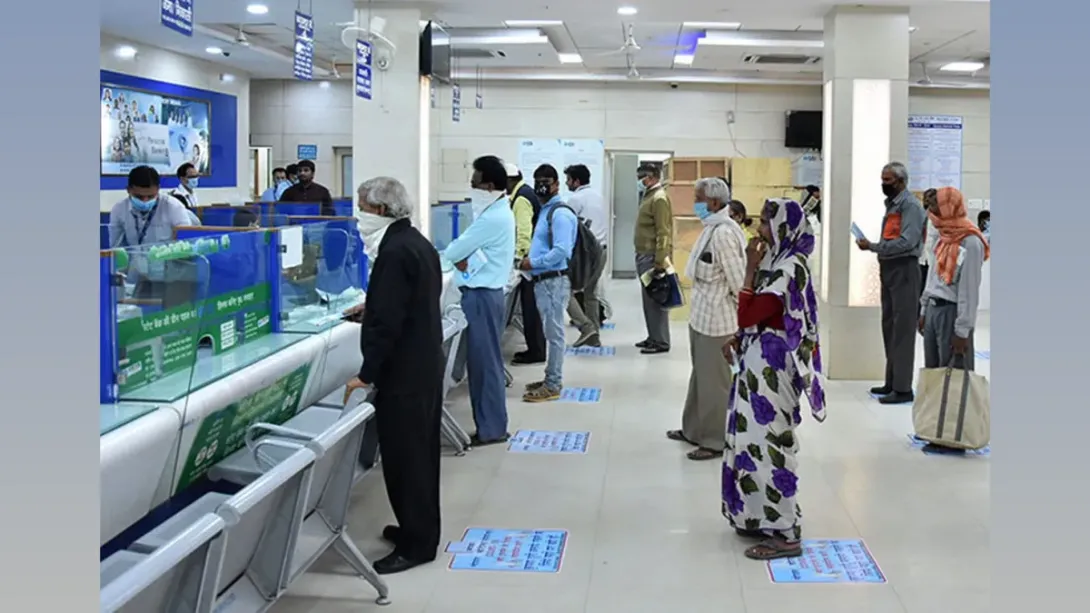
In a progressive move aimed at enhancing customer experience and reducing procedural burdens, the Reserve Bank of India (RBI) has issued fresh directives to simplify the claim settlement process for accounts of deceased individuals. The new guidelines emphasize uniformity, faster turnaround times, and reduced documentation, especially for cases involving smaller account balances. This initiative seeks to alleviate the difficulties faced by legal heirs and nominees in accessing funds, a concern frequently raised by banking customers. The RBI’s move reflects a broader commitment to consumer-centric banking and operational transparency across the financial services sector.
A Step Toward Customer-Centric Banking
The latest set of instructions from the RBI underscores its intent to place the customer at the center of India’s evolving banking framework. The updated framework mandates all banks, including cooperative banks and NBFCs accepting deposits, to streamline and standardize the settlement process for claims in the event of an account holder’s death.
Previously, many banks followed divergent procedures, often burdened with excessive paperwork and delays. This created emotional and logistical distress for grieving families. The RBI’s reforms are designed to correct this by fostering simplicity, speed, and uniformity across the financial ecosystem.
Reduced Documentation and Time-Bound Disposal
One of the key highlights of the new policy is the relaxation in documentation requirements, particularly for small-value accounts. Banks must now clearly display a simplified claim form and checklist on their official premises and digital platforms. For accounts below a certain balance threshold, submission of a death certificate and a valid identity proof of the claimant may suffice.
More importantly, all institutions have been instructed to settle such claims within a stipulated time frame—typically 15 days for claims with a registered nominee and 30 days when legal heirs are involved. Any delays beyond this window must be formally explained in writing to the claimant.
Proactive Public Communication and Transparency
To enhance public awareness and reduce the burden on grieving families, banks are now required to adopt proactive communication strategies. This includes providing clear instructions on claim procedures at the branch level and maintaining visibility of related resources online.
Moreover, institutions must ensure that branch staff are sensitized and trained to deal with such requests with empathy, efficiency, and accuracy. The RBI has also called on boards of banks to periodically review the implementation and effectiveness of these claim settlement protocols.
Focus on Financial Inclusion and Trust Building
While the operational benefits of these guidelines are evident, the deeper impact lies in reinforcing public trust in the formal banking system. For many low-income households, especially in rural or semi-urban areas, unresolved claims from deceased relatives often result in financial exclusion or abandonment of savings altogether.
By simplifying the process, the RBI is not only enhancing convenience but also ensuring that inherited funds continue to circulate within the formal economy. This also contributes to financial literacy and widens the net of financial inclusion—two pillars critical to India’s long-term economic development.
Implications for Banks and the Broader Ecosystem
While the onus of execution lies with the banks, the broader message is clear: compliance and compassion must go hand in hand. Financial institutions will now have to audit their internal procedures, digital systems, and human resources to ensure seamless implementation of the RBI’s directive.
In the long run, such reforms could encourage other regulatory bodies to adopt similar customer-first approaches. The focus on operational efficiency, accessibility, and transparency serves as a blueprint for enhancing service delivery in other areas of financial services as well.
Conclusion
The RBI’s simplification of claim settlements for deceased customers is not just an administrative reform—it’s a humane and timely intervention. By reducing procedural barriers and ensuring faster disbursal of funds to rightful claimants, India’s central bank is setting a precedent for thoughtful regulation that addresses real-world hardships. This policy shift may appear technical, but its social and emotional impact is profound—bringing dignity and relief to families when they need it most.
Comments