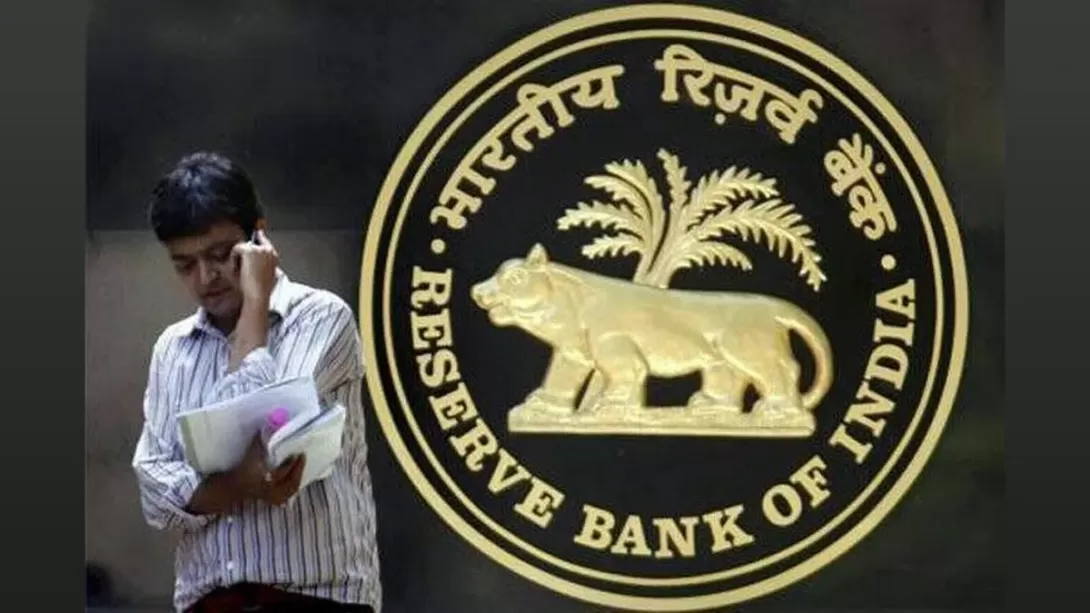
The Reserve Bank of India (RBI) is widely expected to implement a third consecutive 25 basis point cut to the policy repo rate during its upcoming monetary policy review on June 6. With retail inflation consistently tracking below the 4% target and global headwinds — including U.S. tariff policies — adding to economic uncertainty, the Monetary Policy Committee (MPC) is under pressure to prioritize growth without compromising price stability. Analysts forecast the repo rate could fall as low as 5.25% over the current easing cycle, providing relief to borrowers and further boosting sectors like housing.
Market Conditions Favor a Continued Easing Cycle
Following two policy rate reductions earlier this year — in February and April — the benchmark repo rate currently stands at 6%. The RBI has already shifted its policy stance from “neutral” to “accommodative,” signaling a willingness to prioritize growth amid benign inflation and adequate systemic liquidity. The six-member MPC, chaired by RBI Governor Sanjay Malhotra, is scheduled to announce its next decision on June 6.
A combination of subdued inflation, moderate GDP growth, and evolving external risks is setting the stage for another rate cut. Several leading economists believe the time is opportune for a further 25 basis point reduction.
Inflation Well Below Target Offers Policy Headroom
Retail inflation, as measured by the Consumer Price Index (CPI), eased to 3.16% in April 2025 — the lowest year-on-year figure since July 2019. This aligns well within the RBI’s mandated inflation tolerance band of 2% to 6%, centered on a 4% median target.
Economists, including Aditi Nayar of ICRA, project CPI inflation will remain below 4% for most of the current fiscal year. This consistent disinflationary trend supports further monetary accommodation, with forecasts indicating two additional rate cuts after June, taking the policy rate to 5.25% by the end of the easing cycle.
External Pressures Add Complexity to Policy Outlook
The RBI’s upcoming decision is also being shaped by global developments, notably the expiration of U.S. tariff relief measures and persistent geopolitical tensions. Bank of Baroda’s Chief Economist Madan Sabnavis emphasized the importance of the RBI outlining how such external risks might affect India’s trade balance, currency stability, and capital flows.
The Indian rupee could come under near-term depreciation pressure if global interest rates — particularly in the U.S. — remain high. However, analysts suggest the RBI will weigh these risks carefully against the domestic need for sustained economic momentum.
Impact on Banking and Real Estate Sectors
In response to previous policy rate reductions, banks have already begun lowering their lending rates. Both repo-linked external benchmark-based lending rates (EBLRs) and marginal cost of funds-based lending rates (MCLR) have trended downward. A further cut could amplify this effect, reducing borrowing costs across the economy.
Real estate developers are optimistic. Pradeep Aggarwal, Chairman of Signature Global, anticipates a tangible boost in housing demand if lending rates fall further. "Another rate cut would catalyze home buying, especially for first-time buyers and investors," he noted.
Structural Liquidity and Bond Market Trends
According to the RBI’s May 2025 Bulletin, liquidity in the banking system remains ample, bolstered by the central bank’s open market operations and other liquidity measures. These actions have helped push bond yields to multi-year lows, making borrowing more attractive for both corporates and consumers.
The RBI reaffirmed its commitment to maintaining adequate liquidity to support productive sectors, while keeping a vigilant eye on inflationary risks. The central bank’s dual mandate — price stability and growth — remains the cornerstone of its policy architecture.
Growth Moderates, Adding Justification for Easing
India’s GDP growth for fiscal year 2024–25 is estimated to have slowed to 6.5%, marking a four-year low. While still relatively robust by global standards, the deceleration underlines the importance of supportive monetary policy to stimulate investment and consumption.
Industry groups, including Assocham, argue that lower interest rates will help drive capital expenditure, enhance job creation, and fortify the economy against volatile global conditions. Secretary General Manish Singhal emphasized strategic patience but acknowledged that “with inflation hitting multi-year lows, there is room for a calibrated rate cut.”
Outlook: Measured Optimism with Policy Flexibility
The RBI’s likely decision to reduce the policy rate by another 25 basis points will reinforce its accommodative stance amid a supportive inflation environment and external headwinds. Market participants will closely monitor the central bank’s updated outlook on inflation, GDP growth, and global risks during the policy announcement.
While the repo rate trajectory appears downward in the short term, the RBI is expected to retain flexibility, responding dynamically to changes in crude oil prices, currency volatility, and geopolitical developments.
Comments