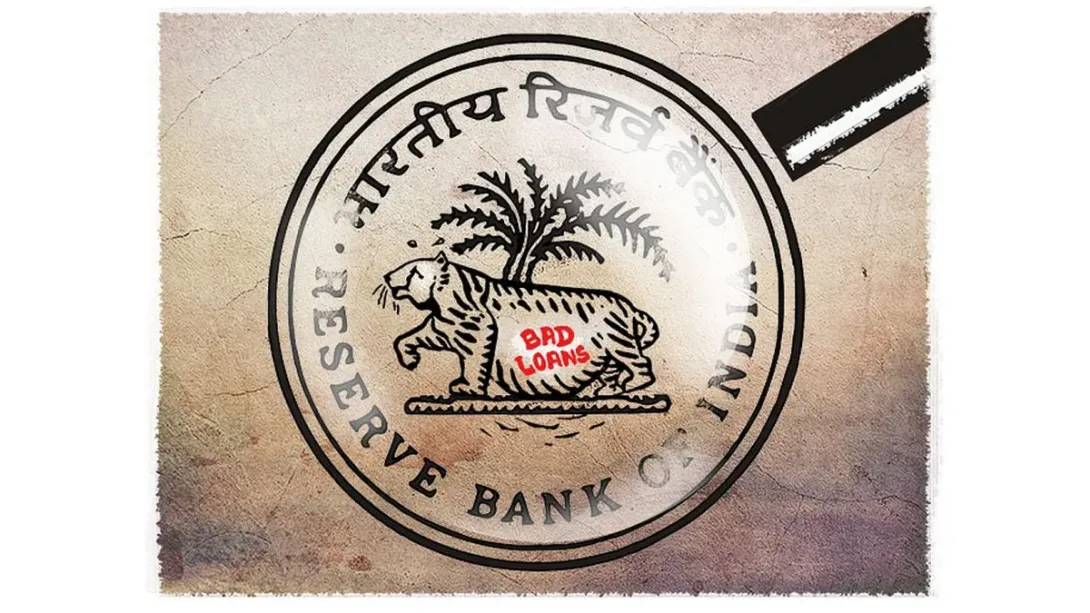
The Indian economy continues to demonstrate robust resilience amid global uncertainty, according to the Reserve Bank of India’s latest assessment. The central bank highlighted strong domestic demand, improving balance sheets across sectors and sustained public investment as key pillars supporting growth. While external headwinds such as geopolitical tensions and uneven global recovery persist, India’s macroeconomic fundamentals remain stable. Inflation has moderated within the RBI’s tolerance band, and the financial system shows adequate capitalization and liquidity. Policymakers view these trends as evidence of structural strength, positioning the economy to sustain growth momentum over the medium term.
Central Bank Paints a Confident Macro Picture
In its latest report, the Reserve Bank of India presented a largely optimistic outlook on the country’s economic trajectory. The assessment pointed to steady growth in consumption and investment, supported by rising incomes, urban demand and continued government spending on infrastructure.
The RBI noted that these factors have helped insulate the economy from external volatility, even as global growth remains uneven.
Domestic Demand Remains the Growth Engine
According to the central bank, domestic demand continues to anchor economic expansion. Private consumption has shown resilience, while capital expenditure by both the public and private sectors has gathered pace.
Improving corporate balance sheets and healthier banking sector metrics have facilitated greater credit flow to productive sectors, reinforcing the investment cycle.
Inflation and Monetary Stability
The RBI report highlighted a gradual moderation in inflation, aided by easing supply constraints and proactive policy measures. Price pressures, while still subject to food and energy volatility, remain broadly aligned with the central bank’s medium-term targets.
Monetary conditions, the RBI said, are calibrated to support growth while maintaining price stability, ensuring flexibility in the face of evolving risks.
Financial System on Sound Footing
India’s financial system continues to exhibit strength, underpinned by improved asset quality, adequate capital buffers and comfortable liquidity levels. The RBI observed that banks and non-banking financial institutions are better positioned to absorb shocks compared with previous cycles.
This stability has enhanced confidence among investors and borrowers, contributing to sustained credit growth.
External Sector and Global Risks
While acknowledging risks from geopolitical tensions, trade disruptions and volatile capital flows, the RBI emphasized that India’s external position remains manageable. Foreign exchange reserves provide a strong buffer against external shocks, and export diversification efforts are gradually yielding results.
Outlook: Confidence With Caution
The central bank concluded that India’s economic fundamentals remain robust, though vigilance is warranted given global uncertainties. Analysts interpret the RBI’s assessment as a signal of cautious confidence, suggesting that the economy is well-placed to sustain growth if macroeconomic discipline and reform momentum are maintained.
Comments