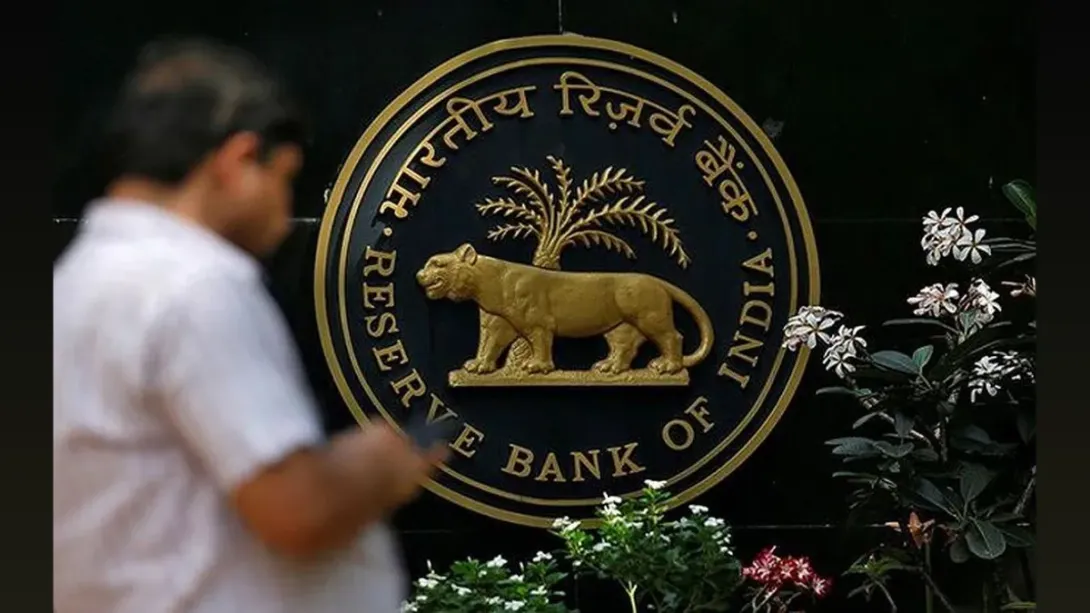
The Reserve Bank of India (RBI) has announced a comprehensive overhaul of its regulatory framework by repealing several outdated circulars and consolidating essential guidelines into new Master Directions. The move is aimed at simplifying compliance, improving transparency, and ensuring consistent interpretation across the financial system. By merging scattered instructions into a unified document, the central bank seeks to reduce ambiguity for banks, nonbank lenders, and regulated entities. This rationalization effort marks a significant step toward modernizing India’s financial governance, reinforcing regulatory clarity at a time when the banking ecosystem is expanding rapidly and demands stronger, streamlined oversight.
RBI Consolidates Circulars to Strengthen Regulatory Clarity
In a significant regulatory reform, the Reserve Bank of India has withdrawn various circulars and replaced them with consolidated Master Directions designed to provide a singular reference point for compliance. The restructuring is intended to eliminate duplication, remove outdated provisions, and ensure that financial institutions operate under a uniform and clearly articulated rulebook.
According to the central bank, this rationalization aligns with its broader objective of promoting regulatory efficiency while supporting evolving sectoral demands. By placing all operative guidelines under a single, comprehensive framework, the RBI aims to enhance accessibility for stakeholders and reduce interpretational inconsistencies.
Master Directions to Serve as Central Compliance Resource
Master Directions, which combine instructions previously scattered across multiple circulars, will now function as the primary regulatory source for banks, NBFCs, and other supervised institutions. This consolidation helps institutions avoid navigating fragmented guidance and mitigates compliance errors stemming from overlapping rules.
The updated format includes detailed provisions for operational standards, reporting responsibilities, risk management norms, and supervisory expectations. Financial institutions are expected to monitor the revised framework closely, as the streamlined structure places greater emphasis on adherence and accountability.
Why the Policy Shift Matters for India’s Financial Sector
The creation of Master Directions is more than an administrative exercise—it represents a strategic step toward strengthening India’s financial governance. Regulators worldwide have been advocating for transparent, principle-based frameworks, and the RBI’s move suggests alignment with global best practices.
Clearer regulatory architecture reduces operational frictions, improves industry-wide consistency, and ultimately enhances investor confidence. As India’s banking and fintech ecosystem continue to grow, a simplified rulebook helps ensure stability, supporting economic expansion and preserving trust in the financial system.
Reduced Compliance Burden for Institutions
For regulated entities, the consolidation is expected to lower the administrative workload associated with tracking frequent circulars and updates. With all relevant instructions now available in a single document, compliance teams can better streamline internal risk frameworks and strengthen audit processes.
Moreover, by eliminating redundant provisions, the RBI aims to prevent contradictory interpretations that often arise when institutions rely on multiple historical circulars. The modernization of the regulatory landscape also enables quicker adaptation to emerging risks and technological developments.
Implications for Supervisory Oversight
The unified Master Directions will likely improve the efficiency of supervisory reviews conducted by the RBI. A standardized set of norms makes it easier to evaluate adherence and identify systemic risks. For institutions, this creates a clearer understanding of regulatory expectations, reducing the likelihood of inadvertent violations.
Industry experts believe the consolidation could mark the beginning of further reforms, including digitalization of compliance systems and enhanced real-time reporting frameworks.
A Step Toward Modern, Coherent Financial Regulation
The RBI’s repeal of legacy circulars and introduction of consolidated Master Directions reflects a pivotal shift toward modern, coherent, and more agile regulation. At a time when India’s financial sector is evolving rapidly—driven by digital payments, fintech innovation, and expanding credit penetration—clarity in regulation is both timely and necessary.
By simplifying the regulatory ecosystem, the central bank reinforces its commitment to transparency and strengthens the foundations on which future financial reforms can be built. As regulated entities adjust to the new structure, the industry is expected to benefit from improved consistency, efficiency, and long-term stability.
Comments