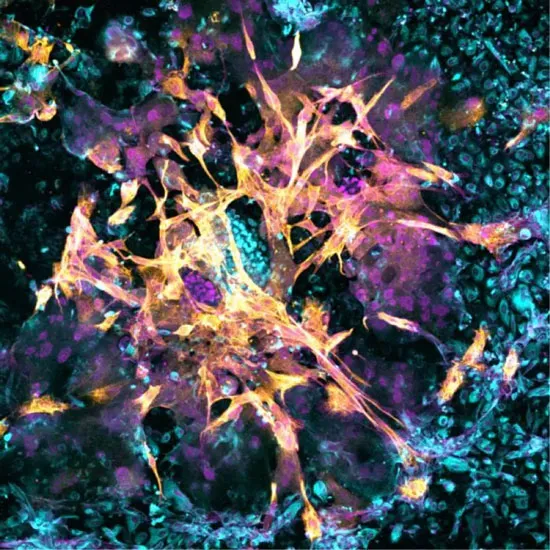
Scientists have taken a significant step in reproductive and developmental biology by successfully studying embryo implantation through the use of artificial womb technologies. This breakthrough allows researchers to observe early stages of embryonic development in controlled laboratory conditions, offering unprecedented insight into one of the most complex and least understood phases of human biology. By mimicking the environment of the uterus, artificial womb systems are enabling detailed analysis of implantation processes, cellular communication, and developmental timing. The advancement holds promise for improving fertility treatments, understanding pregnancy complications, and expanding ethical frameworks around assisted reproductive technologies.
A New Frontier in Reproductive Science
Embryo implantation remains one of the most delicate and decisive stages in early development, determining whether a pregnancy can progress successfully. Traditional research methods have faced ethical and technical constraints, limiting direct observation. Artificial womb platforms now provide a viable alternative, allowing scientists to replicate uterine conditions without relying on natural pregnancy.
How Artificial Wombs Replicate Implantation
The systems are designed to simulate key biological signals, nutrient exchange, and hormonal cues essential for implantation. By carefully controlling temperature, oxygen levels, and biochemical interactions, researchers can observe how embryos attach, adapt, and begin early growth. This controlled setting offers clarity on cellular behavior that was previously inaccessible.
Implications for Fertility and Women’s Health
Insights gained from artificial womb research could transform fertility medicine. A deeper understanding of implantation failures may lead to improved in vitro fertilization success rates and more personalized treatments for patients facing recurrent pregnancy loss. The findings could also inform strategies to prevent early miscarriages linked to implantation abnormalities.
Ethical Oversight and Regulatory Considerations
While the scientific potential is vast, researchers emphasize that the work operates within strict ethical and regulatory boundaries. Artificial womb studies are focused on early-stage research rather than full gestational development, ensuring compliance with existing biomedical guidelines and fostering public trust in emerging reproductive technologies.
Broader Impact on Medical Science
Beyond fertility, the research may influence regenerative medicine and developmental disorder studies. Understanding how cells organize and communicate during implantation could yield insights into congenital conditions and tissue engineering.
Comments