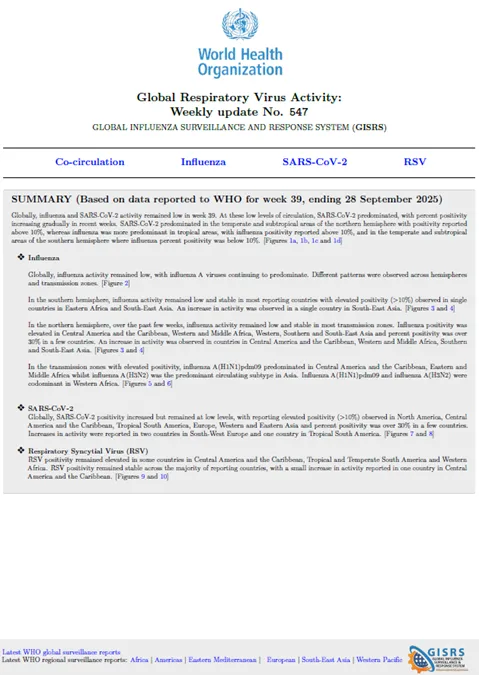
The Pan American Health Organization (PAHO) has issued warnings as seasonal respiratory viruses, notably Respiratory Syncytial Virus (RSV) and influenza, show a significant rise across the Americas. Hospitals are reporting increased admissions, particularly among infants, older adults, and immunocompromised patients, highlighting the public health burden of these infections. Health authorities are urging vaccination, early detection, and preventive hygiene measures to mitigate severe outcomes. The seasonal overlap of RSV and influenza is placing added pressure on healthcare systems, emphasizing the importance of surveillance, timely interventions, and community awareness campaigns to protect vulnerable populations and reduce hospital strain during peak viral activity.
Rising RSV and Influenza Cases
Recent epidemiological data from PAHO indicate a sharp increase in RSV and influenza infections, signaling an early onset of seasonal respiratory illness. Pediatric wards are particularly affected, with bronchiolitis and pneumonia being common complications of RSV in infants. Influenza cases are also climbing among adults and older populations, often leading to severe respiratory distress and exacerbation of chronic conditions.
Healthcare systems are under heightened pressure, requiring hospitals to expand capacity and enhance clinical preparedness to manage the dual surge of RSV and influenza.
Transmission Dynamics and Risk Groups
RSV and influenza primarily spread through respiratory droplets and contact with contaminated surfaces, with crowded environments—schools, daycare centers, and eldercare facilities—serving as transmission hotspots.
High-risk groups include infants under six months, elderly individuals, people with chronic heart or lung conditions, and those with compromised immune systems. Experts emphasize vaccination, mask use during symptomatic periods, and rigorous hand hygiene as critical preventive measures.
Vaccination and Preventive Strategies
Immunization remains the cornerstone for reducing severe disease. Influenza vaccines are widely recommended for children, adults, and high-risk populations, while monoclonal antibodies and vaccines targeting RSV are increasingly employed to protect vulnerable infants and older adults.
Complementary measures include promoting respiratory etiquette, timely medical consultation, and supportive care for hospitalized patients, including oxygen therapy and hydration management.
Public Health Recommendations
PAHO encourages countries to enhance surveillance, improve vaccination coverage, and communicate proactively with communities about early symptoms and preventive actions. Integrated approaches are essential to manage seasonal peaks effectively, minimize complications, and reduce hospital admissions.
Authorities also highlight the importance of co-monitoring RSV and influenza trends to anticipate healthcare demands and allocate resources efficiently.
Looking Ahead
The convergence of RSV and seasonal influenza underscores the persistent challenge of respiratory pathogens to public health. A coordinated strategy—combining vaccination, public awareness, clinical preparedness, and real-time epidemiological monitoring—is crucial to protect vulnerable populations and mitigate the impact of the seasonal viral surge across the region.
Comments