India’s retail inflation cooled to its lowest level in eight years, easing below the Reserve Bank of India’s (RBI) upper tolerance limit. The decline, driven primarily by softer food prices and stable energy costs, offers a respite to policymakers and consumers alike. This moderation strengthens the case for maintaining supportive monetary policies, while also improving household purchasing power. Economists suggest that if this trend persists, it could bolster economic momentum by stimulating consumption and investment. However, the trajectory ahead will hinge on weather patterns, global commodity prices, and sustained stability in domestic supply chains.
Sharp Decline Signals Economic Relief
Retail inflation, measured by the Consumer Price Index (CPI), has eased to levels not seen since 2016, marking a significant shift from the persistent price pressures of recent years. This decline comes after months of targeted government measures, including improved food supply management, reduced import duties on certain commodities, and stabilization in crude oil prices.
Below RBI’s Comfort Zone
The RBI’s monetary policy framework aims to keep inflation within a 2-6% range. The latest data shows CPI inflation not only remaining within this band but also dipping well below the upper threshold. This gives the central bank greater policy flexibility, reducing the immediate need for aggressive rate hikes and supporting a more balanced approach to growth and price stability.
Food and Energy Lead the Cool-Off
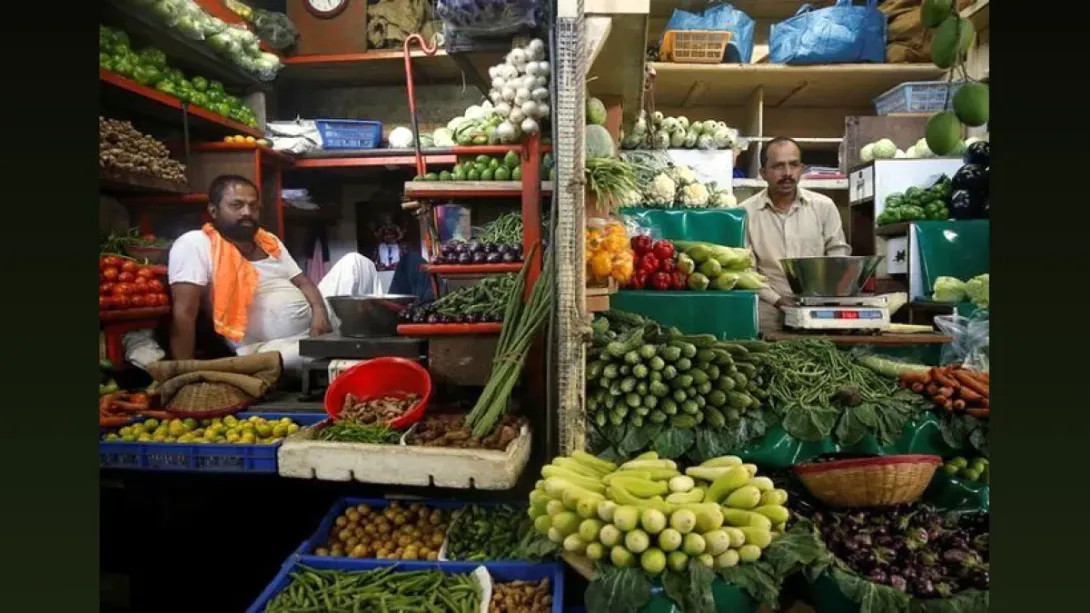
A major contributor to the decline has been the moderation in food inflation, with vegetable and cereal prices showing a downward trend. Fuel inflation has also eased, aided by relatively stable global oil prices and reduced volatility in currency exchange rates. Together, these factors have provided relief to households struggling with rising living costs in previous years.
Implications for Growth and Policy
Lower inflation can boost consumer sentiment, encourage discretionary spending, and enhance savings potential. For businesses, it reduces input cost pressures, potentially improving profit margins. Policymakers now face the task of sustaining this stability while ensuring growth remains robust. Analysts caution, however, that unseasonal rains, geopolitical tensions, or supply disruptions could reverse the trend.
Outlook: Cautious Optimism
While the latest inflation data is encouraging, experts urge a measured view. Maintaining a favorable inflation trajectory will require careful monitoring of food prices, global energy markets, and currency movements. For now, both consumers and the economy stand to benefit from the much-needed breathing space this price stability provides.
Comments