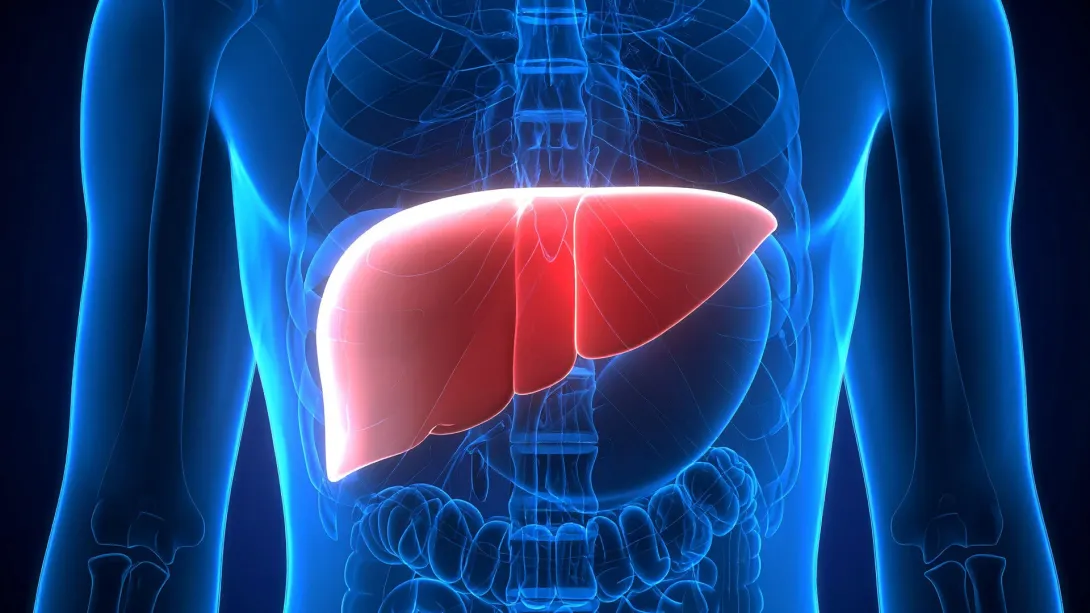
Metabolic Dysfunction–Associated Steatotic Liver Disease (MASLD) is rapidly emerging as one of the most significant public health challenges worldwide. Closely linked to obesity, diabetes and sedentary lifestyles, MASLD affects an estimated one-third of the global population. The condition, previously known as non-alcoholic fatty liver disease, occurs when excess fat accumulates in the liver due to metabolic dysfunction rather than alcohol consumption. While often symptomless in its early stages, MASLD can progress to severe complications including liver fibrosis, cirrhosis and cancer. Health experts warn that rising urbanization, poor dietary patterns and metabolic disorders are accelerating its spread, making early detection, preventive healthcare policies and lifestyle interventions increasingly critical.
Understanding MASLD: A Modern Medical Classification
Metabolic Dysfunction–Associated Steatotic Liver Disease (MASLD) represents a new clinical framework for identifying fatty liver conditions driven by metabolic abnormalities. The terminology replaces the earlier label of non-alcoholic fatty liver disease, reflecting the evolving understanding that metabolic dysfunction — rather than alcohol consumption — is the principal cause.
MASLD develops when excess fat accumulates in liver cells, disrupting normal metabolic processes. Over time, the condition may trigger inflammation and tissue damage. If the disease advances unchecked, it can progress into metabolic dysfunction–associated steatohepatitis (MASH), a more aggressive form of liver inflammation that significantly increases the risk of liver failure.
Medical researchers estimate that approximately 30% to 38% of adults globally may currently be living with MASLD, making it the most common chronic liver disorder worldwide.
A Growing Global Health Burden
The rapid rise of MASLD reflects broader shifts in global lifestyle patterns. Urbanization, dietary changes and increasingly sedentary work environments have created conditions that encourage metabolic disorders.
In countries experiencing rapid economic development, the prevalence of obesity and type-2 diabetes has surged. These metabolic conditions are strongly associated with MASLD.
Public health studies suggest that more than 60% of individuals with type-2 diabetes and nearly 70% of people with obesity show signs of fatty liver disease, highlighting the deep connection between metabolic health and liver function.
In India and other emerging economies, the disease is gaining particular attention among medical professionals. Rising consumption of processed foods, increased screen time and limited physical activity are widely cited as contributing factors.
Healthcare specialists warn that without effective intervention, MASLD could become a major contributor to liver-related mortality over the next two decades.
The Metabolic Link: Why the Liver Is at Risk
The liver plays a central role in regulating metabolism, including the processing of fats, sugars and proteins. When metabolic dysfunction occurs, the liver’s ability to manage these biochemical pathways becomes impaired.
Insulin resistance — a hallmark of metabolic syndrome — leads to an increased accumulation of fatty acids in liver cells. Over time, this fat buildup causes oxidative stress and inflammation, which can damage liver tissue.
The condition often remains undiagnosed because early stages rarely produce noticeable symptoms. Many patients discover the disease only during routine blood tests or imaging scans conducted for unrelated health issues.
This silent progression makes MASLD particularly concerning for healthcare systems worldwide.
Lifestyle and Environmental Drivers
Medical research increasingly highlights the role of modern lifestyle habits in the spread of MASLD.
Diets rich in refined carbohydrates, sugary beverages and processed foods significantly increase the risk of metabolic disorders. When combined with limited physical activity, these habits create conditions that favor fat accumulation in the liver.
Environmental factors may also play a role. Some emerging studies suggest that exposure to industrial chemicals and endocrine-disrupting compounds could influence metabolic health and liver function, although further research is required to confirm these associations.
As global populations adopt increasingly urban lifestyles, the convergence of dietary, behavioral and environmental risk factors is intensifying the MASLD burden.
Treatment Approaches and Preventive Measures
Despite its growing prevalence, MASLD remains a largely preventable and, in many cases, reversible condition when detected early.
Medical professionals emphasize lifestyle modification as the cornerstone of treatment. Regular exercise, improved dietary habits and moderate weight reduction can significantly reduce liver fat accumulation.
Clinical evidence suggests that losing 7% to 10% of total body weight can meaningfully improve liver health and reduce inflammation.
Pharmaceutical research is also advancing rapidly. Several new therapies designed to target metabolic pathways involved in liver fat accumulation are currently undergoing clinical trials, offering potential treatment options for patients with advanced disease.
However, prevention remains the most effective strategy.
Economic and Healthcare Implications
Beyond its clinical impact, MASLD is increasingly recognized as a significant economic challenge. Chronic liver disease places a long-term financial burden on healthcare systems due to ongoing monitoring, medication costs and potential complications such as liver transplantation.
For emerging economies with rapidly expanding populations, the economic implications could be substantial. Productivity losses associated with metabolic diseases may further compound the financial strain on public health infrastructure.
Healthcare policymakers are therefore focusing on early detection programs, public awareness campaigns and preventive healthcare strategies to mitigate the long-term economic impact.
The Road Ahead
MASLD illustrates how modern lifestyle changes are reshaping global disease patterns. As metabolic disorders become more prevalent, liver disease is emerging as a secondary but equally serious consequence.
Addressing the challenge will require coordinated action involving healthcare providers, policymakers and public health institutions. Early screening, nutrition education and increased physical activity remain essential tools in combating the disease.
If current trends persist, MASLD could become one of the defining health issues of the 21st century. However, with timely intervention and informed lifestyle choices, experts believe its long-term impact can still be significantly reduced.
Comments