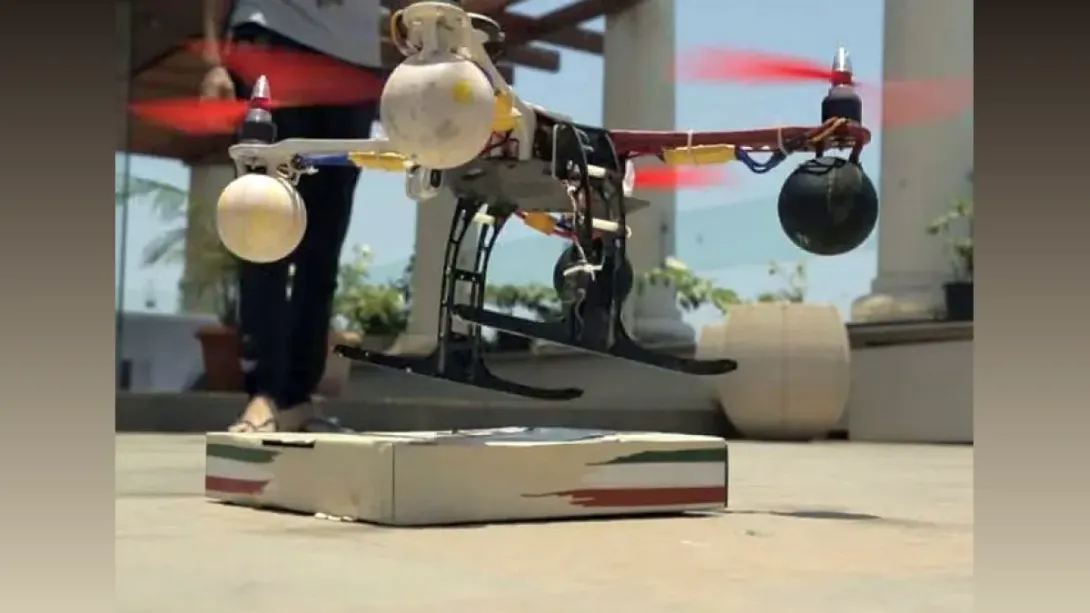
In a significant boost to India’s defence and aerospace capabilities, RRP Defence and CYGR Advanced Technologies have announced a strategic collaboration to establish a state-of-the-art drone manufacturing facility in the country. The joint venture aims to strengthen domestic production of unmanned aerial systems (UAS), reduce import dependency, and meet growing security and surveillance needs. The plant will support high-end manufacturing, system integration, and possibly export operations. This initiative aligns with India’s push for self-reliance in defence manufacturing and is expected to catalyse innovation, employment, and strategic autonomy in aerospace technologies.
---
Strategic Collaboration to Enhance Indigenous Defence Production
RRP Defence, a prominent player in India’s defence ecosystem, has joined hands with CYGR Advanced Technologies to set up an advanced drone manufacturing plant. The collaboration comes at a time when India is intensifying efforts to localize its defence supply chain and reduce reliance on foreign suppliers for critical technologies.
The proposed facility will focus on the production and assembly of next-generation unmanned aerial vehicles (UAVs), catering to both military and commercial applications. It will serve as a hub for engineering excellence and innovation, contributing to the broader goals of the Make in India and Atmanirbhar Bharat initiatives.
---
Technological Scope and Operational Roadmap
According to industry sources, the facility will be equipped to manufacture a wide spectrum of drones—from tactical surveillance UAVs to medium-altitude, long-endurance systems. The site will also feature advanced testing zones, simulation labs, and in-house R&D units designed to foster iterative prototyping and indigenous design capabilities.
Beyond production, the facility is expected to be involved in maintenance, repair, and overhaul (MRO) services, adding long-term value to India’s evolving defence infrastructure. CYGR, known for its technological prowess in drone avionics and system architecture, will provide proprietary know-how and technology transfer to enable full-scale indigenous manufacturing.
---
National Security and Export Potential
This strategic move is not just about domestic production; it positions India as a potential drone export hub in the Indo-Pacific region. As demand for surveillance and combat drones increases across Asia, Africa, and Latin America, the facility could unlock new defence export markets for India.
Given the increasing use of UAVs in border management, counter-insurgency operations, and disaster response, the joint venture’s capabilities are expected to be highly sought-after. The collaboration reflects a growing understanding that modern warfare and internal security will increasingly rely on unmanned, precision-based technologies.
---
Economic and Strategic Impact
The drone plant is projected to generate direct and indirect employment opportunities in engineering, electronics, composites manufacturing, and software development. The location of the facility—yet to be publicly disclosed—is expected to benefit from policy incentives under India’s defence industrial corridors.
Moreover, the partnership is poised to attract ancillary industries and startups engaged in artificial intelligence, flight control systems, and navigation technologies. It may also encourage academic collaborations and skill development programs tailored for aerospace engineering and UAV operations.
---
Conclusion: A Critical Step Toward Defence Self-Sufficiency
RRP Defence and CYGR’s joint venture marks a pivotal step toward making India a self-reliant and globally competitive hub for drone technology. By localizing the production of strategic aerial platforms, the collaboration enhances India’s preparedness for future defence challenges while contributing to its long-term vision of technological sovereignty.
As global demand for drones surges, this initiative could serve as a template for public-private synergy in high-tech defence manufacturing, ushering in a new era of indigenous innovation and global competitiveness.
Comments