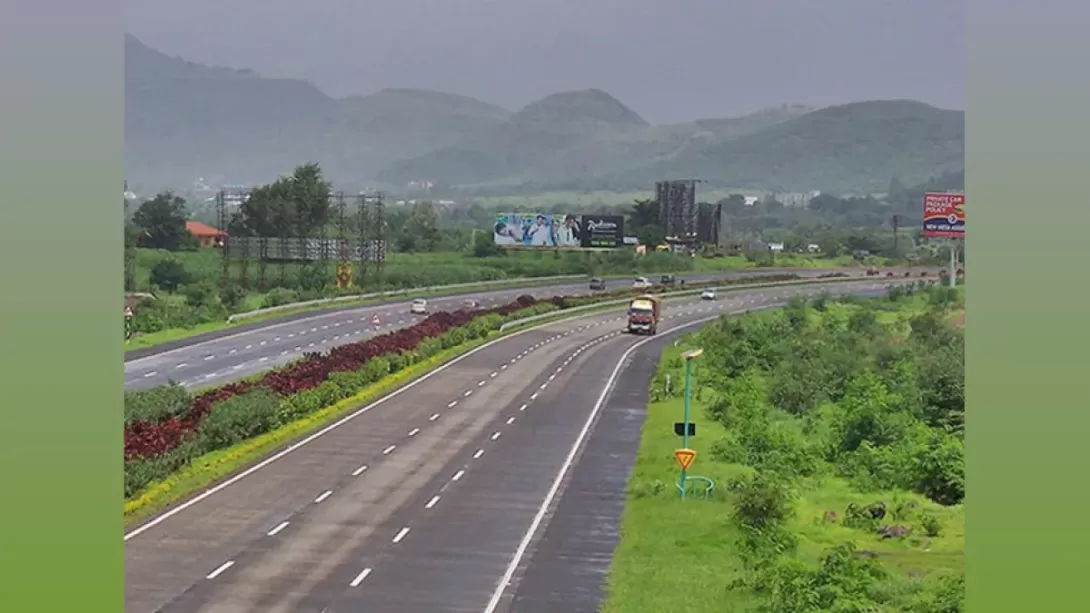
In a significant infrastructure push aimed at enhancing regional connectivity, work has officially commenced on the four-laning of the Phagwara-Hoshiarpur highway in Punjab. The Rs. 1,058-crore road project spans 48.622 kilometers and is expected to be completed within two years. The project, flagged off by Union Minister Nitin Gadkari earlier this year, features a host of critical infrastructure upgrades including bypasses, underpasses, and a railway overbridge. Former Union Minister Som Parkash confirmed that land acquisition alone will cost Rs. 500 crore, underscoring the scale and ambition of this highway modernization effort.
Project Overview: Enhancing Infrastructure in Punjab
The transformation of the Phagwara-Hoshiarpur road into a modern four-lane highway is now underway, with the project expected to serve as a key driver of economic development in Punjab’s Doaba region. Covering nearly 49 kilometers, the project represents a capital outlay of Rs. 1,058 crore and is slated for completion within a 24-month timeframe.
This initiative aligns with the broader national agenda of improving road connectivity under the Ministry of Road Transport and Highways. The project is not only aimed at reducing traffic congestion but also at providing a safer and more efficient transport route for both freight and passenger vehicles.
Key Features of the Highway Expansion
According to details shared by Former Union Minister Som Parkash, the highway upgrade includes a range of vital infrastructure enhancements:
- Two bypasses to streamline vehicular flow around urban settlements.
- One major and eleven minor bridges to ensure uninterrupted road connectivity across water bodies and difficult terrain.
- Twenty underpasses to facilitate smooth passage for local traffic and enhance pedestrian safety.
- One railway overbridge, which will significantly improve transit efficiency by eliminating at-grade railway crossings.
- Forty-one minor junctions, twenty-eight bus lay-bys, and two truck lay-bys, all designed to support both passenger and commercial traffic.
- Slip roads to allow seamless merging and diverging of traffic at junctions, improving road safety and minimizing bottlenecks.
This comprehensive design reflects a commitment to both functionality and safety, creating a road infrastructure that can handle current demand while anticipating future growth.
Land Acquisition and Economic Impact
The land acquisition phase alone is estimated to cost Rs. 500 crore, indicating the complexity and importance of the project. Such a significant investment in acquiring the necessary land parcels highlights the government's determination to push forward with infrastructure-led growth.
Beyond its physical dimensions, the project is expected to generate employment, improve logistics efficiency, and boost regional trade and tourism. With better access to markets, agricultural producers and small businesses in the region could see a tangible uptick in their economic fortunes.
Foundation and Political Backing
The foundation stone for the project was laid by Union Minister Nitin Gadkari on January 10, 2024, a symbolic milestone that underlined the central government’s focus on upgrading national highways. His presence at the launch emphasized the strategic importance of the project in the context of national transportation planning.
Former Union Minister Som Parkash, speaking at a recent event, reiterated the project's significance for the region and expressed confidence in its timely completion. His remarks echoed the broader sentiment of optimism shared by stakeholders across the board.
Conclusion: A Roadmap for Development
As India ramps up its infrastructure investments to support economic resilience and inclusive growth, the Phagwara-Hoshiarpur road project stands as a testament to that vision. Upon completion, the highway will not only ease travel between two key districts of Punjab but will also serve as a conduit for commerce, connectivity, and development.
With its intricate design and ambitious scope, the project sets a precedent for future infrastructure endeavors in the state and beyond, marking a new chapter in Punjab’s transportation narrative.
Comments