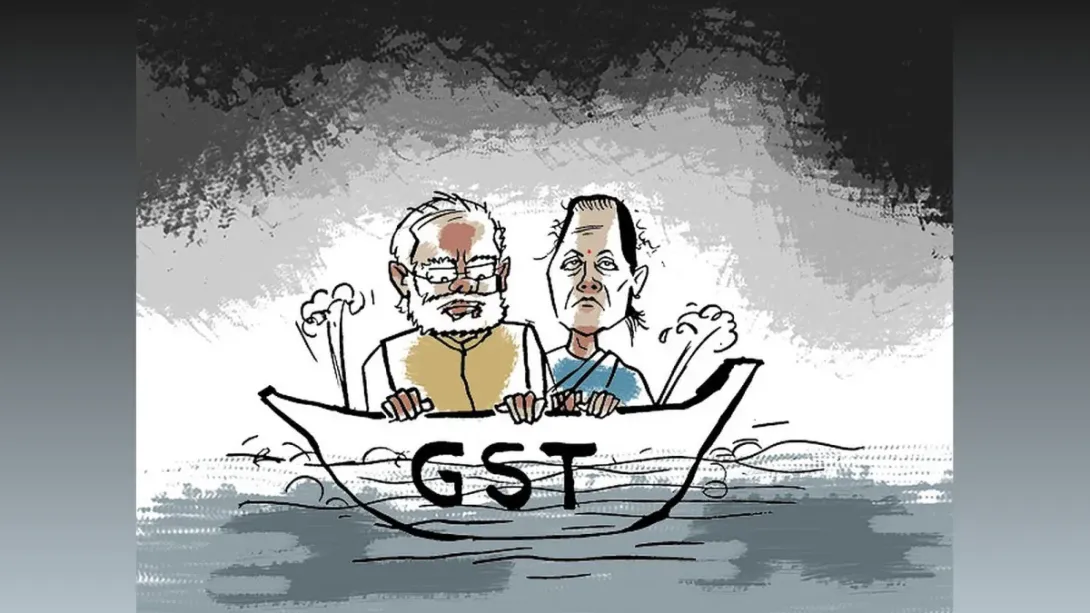
A multi-layered fraudulent billing scheme amounting to Rs. 260 crore has been unearthed in India’s iron and steel industry, revealing a widespread network of shell companies used to issue fake invoices and evade Goods and Services Tax (GST). The investigation, led by tax authorities, found that several entities were engaged in paper-based transactions without the actual movement of goods. The scam involved availing ineligible input tax credit and circular trading across multiple states. This development underscores persistent vulnerabilities in India’s compliance ecosystem and raises critical questions about regulatory oversight within high-volume sectors like steel.
---
Anatomy of the Scam: A Web of Paper-Only Trades
At the center of the Rs. 260 crore scam is a cluster of fictitious entities masquerading as legitimate steel and iron traders. These firms, created with the sole purpose of generating counterfeit invoices, facilitated a trail of non-existent transactions designed to claim undue input tax credit (ITC) under the GST regime.
Authorities have discovered that no physical goods were ever moved in the name of these trades. Instead, the invoices were passed from one bogus entity to another, enabling tax credits to be claimed without any underlying supply of goods. This method of “circular trading” effectively created a parallel financial ecosystem that bypassed tax obligations while inflating turnover figures.
---
GST Fraud and Input Tax Credit Abuse
The core of the scam revolves around the fraudulent exploitation of input tax credit. Under the GST system, businesses can offset taxes paid on inputs against their final tax liability. However, in this case, the ITC was claimed on the basis of forged invoices—undermining the very foundation of GST’s self-regulating architecture.
Initial estimates suggest that the fake credit claims ran into tens of crores, resulting in significant revenue leakage for the exchequer. Investigations are ongoing, with forensic audits tracing the origins and endpoints of these fictitious supply chains.
The modus operandi is not new but continues to plague high-volume, high-value industries like iron and steel, where physical verification of movement can be logistically challenging.
---
Involvement of Shell Companies and Coordinated Fraud
Preliminary findings indicate that over 40 shell entities may have been involved in the operation, many registered under fake addresses and fronted by individuals without any substantial business history. These companies were often floated using forged KYC documents and operated through virtual offices to avoid detection.
The scam reportedly extended across state boundaries, with entities in Maharashtra, Gujarat, and Uttar Pradesh being under scrutiny. Investigators are also probing the role of intermediaries, accountants, and possible collusion with transport agencies to fabricate e-way bills and consignment records.
---
Regulatory Gaps and Enforcement Challenges
Despite the government’s increased deployment of AI-based GST monitoring tools and e-invoicing mandates, the persistence of such scams points to systemic gaps in enforcement. The inability to match e-way bills with actual stock movements, reliance on paper-based reconciliations, and loopholes in company registration processes continue to be exploited by fraudsters.
Tax officials acknowledge the need for real-time data triangulation between GST returns, transport documentation, and banking records to curb such activities. There are also calls for stricter norms for registering new businesses in sensitive sectors and increased penalties for repeat offenders.
---
Implications for the Steel Sector and Market Integrity
Beyond tax evasion, the scam damages the competitive landscape in the iron and steel market. Genuine businesses that follow the rules often find themselves undercut by those engaging in fraudulent billing to inflate turnover or evade taxes. This distorts pricing, erodes investor confidence, and weakens the sector’s formalization efforts.
With India positioning itself as a global manufacturing hub under the "Make in India" initiative, such revelations could deter foreign investment unless compliance mechanisms are tightened and uniformly enforced.
Comments