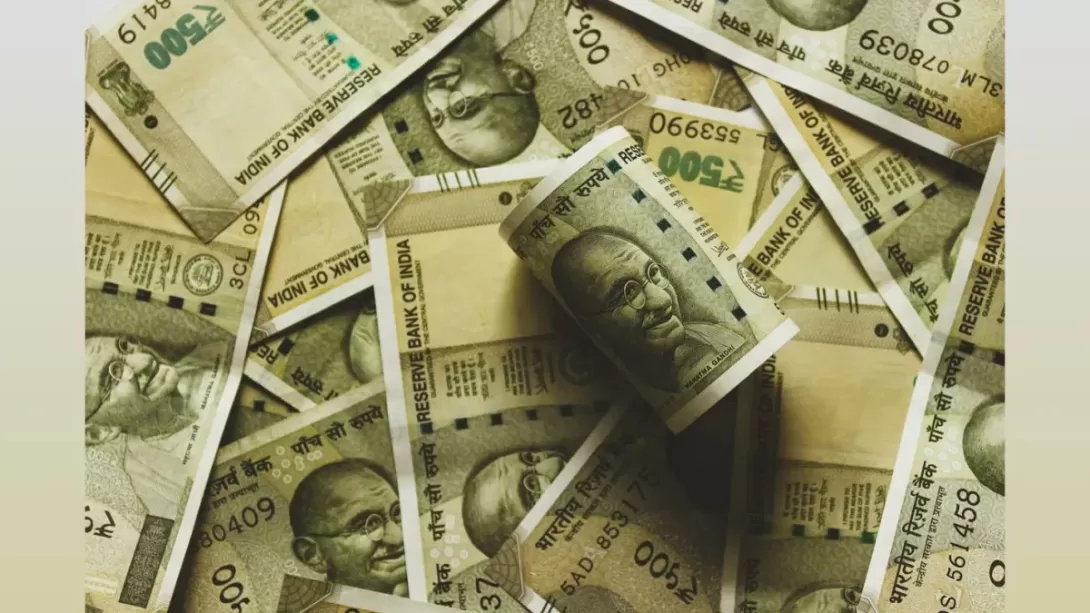
The Indian rupee registered a notable recovery on Friday, appreciating by 70 paise to close at Rs. 85.25 against the US dollar, snapping a three-day losing streak. The rebound was driven by a decline in the US dollar index, upbeat domestic equity performance, and a resurgence in global risk appetite. Despite the recovery, factors such as rising crude oil prices and persistent foreign capital outflows tempered the rupee’s gains. Market analysts anticipate further movement based on global economic cues, with the rupee expected to trade within a narrow band amid cautious optimism.
Rupee Reverses Course Amid Dollar Weakness
In a significant reversal from earlier sessions, the Indian rupee gained 70 paise on Friday to settle at Rs. 85.25 against the US dollar. The domestic currency had previously shed 53 paise over three trading days, weighed down by broader market uncertainties and foreign fund withdrawals.
The turnaround was catalyzed by a sharp drop in the dollar index, which slipped 0.60% to 99.36. This decline was attributed to an improvement in global risk sentiment and a concurrent easing in US Treasury yields, which reduced the appeal of the greenback.
Volatility Defines Intra-Day Trading
Trading in the interbank foreign exchange market was marked by pronounced volatility. The rupee opened at Rs. 85.95, briefly touched an intra-day high of Rs. 85.11, and a low of Rs. 86.10, before settling at Rs. 85.25. The wide price swings reflected fluctuating investor sentiment amid ongoing global and domestic market developments.
On Thursday, the rupee had ended at Rs. 85.95, down 36 paise, highlighting the significance of Friday’s rebound.
Market Drivers and Investor Sentiment
The recovery in the rupee was broadly supported by gains in the domestic equity markets. The benchmark BSE Sensex surged by 769.09 points (0.95%) to close at 81,721.08, while the NSE Nifty rose 243.45 points (0.99%) to finish at 24,853.15. The bullish momentum in equities buoyed investor confidence and boosted risk appetite.
However, the appreciation bias was moderated by a mild uptick in Brent crude prices, which rose 0.22% to USD 64.30 per barrel in futures trade. Additionally, persistent foreign institutional investor (FII) outflows added pressure. Data from the exchanges showed FIIs offloaded equities worth Rs. 5,045.36 crore on a net basis on Thursday.
Analyst Outlook: Cautious Optimism Ahead
Analysts anticipate the rupee will maintain a mildly positive bias in the near term, given the underlying weakness in the dollar and improved global risk appetite. However, downside risks remain due to foreign portfolio outflows and potential volatility in oil prices.
Anuj Choudhary, Research Analyst at Mirae Asset Sharekhan, noted, “We expect the rupee to trade with a positive bias on underlying weakness in the US dollar index and improved global risk sentiments. However, selling pressure from foreign investors may cap sharp upside movement.”
He further indicated that market participants will closely watch upcoming economic data from the US, including existing home sales, which could influence the USD-INR trading range. The pair is expected to fluctuate between Rs. 85.00 and Rs. 85.70 in the short term.
Conclusion
The rupee’s sharp rebound underscores the influence of global currency movements and investor sentiment on emerging market currencies. While the recovery is a welcome development for importers and policymakers, external vulnerabilities such as oil price volatility and foreign capital dynamics remain critical to the currency’s future trajectory. As global and domestic factors continue to interplay, traders and businesses alike will need to navigate a complex and evolving currency landscape.
Comments