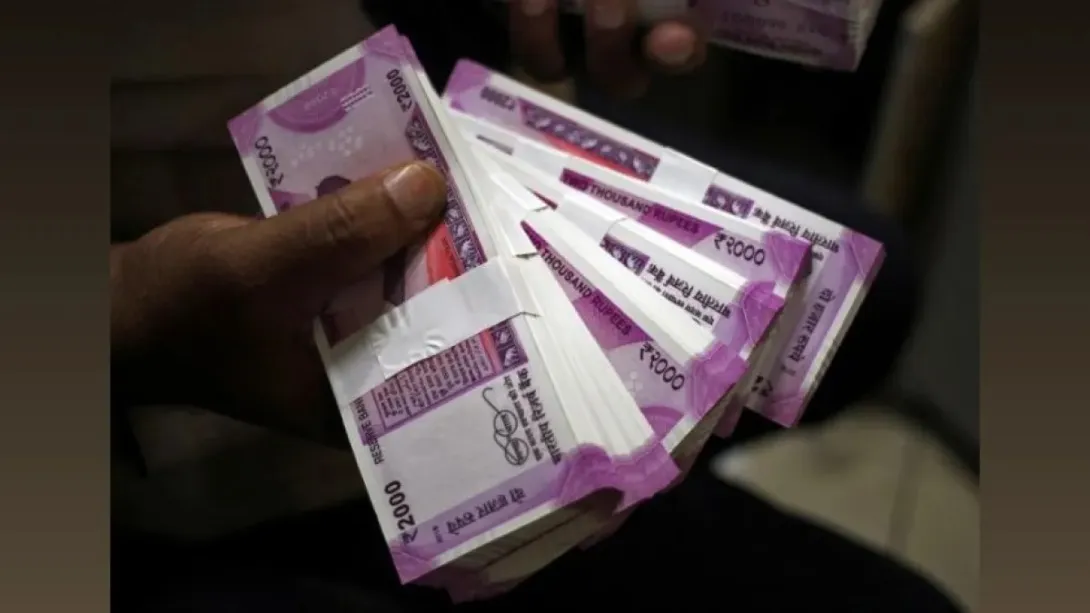
The Indian rupee weakened to a record low of Rs.88.18 against the U.S. dollar, reflecting persistent concerns over global economic headwinds, elevated crude oil prices, and capital outflows. The currency’s sharp depreciation highlights the pressures facing emerging market economies amid a strengthening dollar and sustained monetary tightening in the United States. Analysts attribute the fall to a combination of external vulnerabilities and domestic challenges, including widening trade imbalances. The decline raises questions about the Reserve Bank of India’s (RBI) intervention strategy, investor sentiment, and the broader implications for inflation and growth.
Currency at All-Time Low
The rupee’s dip to Rs.88.18 marks its weakest level in history, extending a period of gradual depreciation observed over recent months. The U.S. dollar’s surge, driven by higher Treasury yields and risk aversion in global markets, has placed sustained downward pressure on emerging currencies. India, heavily reliant on imports such as crude oil and electronics, is particularly vulnerable to dollar strength, further straining its external balance.
Impact on Inflation and Trade Balance
A weaker rupee directly impacts import costs, particularly crude oil, which accounts for a significant share of India’s import bill. With global oil prices remaining elevated, the depreciation risks pushing domestic fuel prices higher, potentially adding to inflationary pressures. This could complicate the RBI’s monetary policy stance, which already involves a delicate balancing act between controlling inflation and supporting economic growth. Additionally, while a softer rupee can make Indian exports more competitive, the benefits may be offset by higher input costs.
Capital Flows and Investor Sentiment
Foreign portfolio investors have been pulling out capital from Indian equity and debt markets amid concerns over global growth, U.S. monetary policy, and geopolitical tensions. The resulting outflows have compounded pressure on the rupee. Experts suggest that unless there is stabilization in global markets, volatility in the Indian currency is likely to persist. However, India’s relatively strong economic fundamentals compared with other emerging markets may prevent an uncontrolled slide.
RBI’s Possible Course of Action
The Reserve Bank of India has historically intervened in the currency market to curb excessive volatility. While it is believed to have used its foreign exchange reserves to stabilize the rupee in recent sessions, the central bank is unlikely to defend any specific level. Instead, its strategy may focus on smoothing fluctuations and ensuring liquidity in the system. As of now, India’s foreign exchange reserves remain robust, providing policymakers with adequate firepower to manage short-term pressures.
Broader Economic Outlook
The rupee’s record low has broader implications for India’s economic outlook. A prolonged phase of weakness could impact investor confidence, raise the cost of external borrowings, and increase the burden on companies with foreign currency debt. On the flip side, exporters in sectors such as IT services and pharmaceuticals may benefit from the depreciation. Economists believe the trajectory of the rupee will hinge on the interplay between global developments and domestic policy measures.
Conclusion
The rupee’s fall to Rs.88.18 against the U.S. dollar underscores the challenges facing India’s economy in an increasingly volatile global environment. While policymakers have buffers to manage short-term turbulence, sustained depreciation could test the resilience of inflation management and fiscal stability. For businesses and investors, the currency’s movement will remain a critical factor shaping financial strategies in the months ahead.
Comments