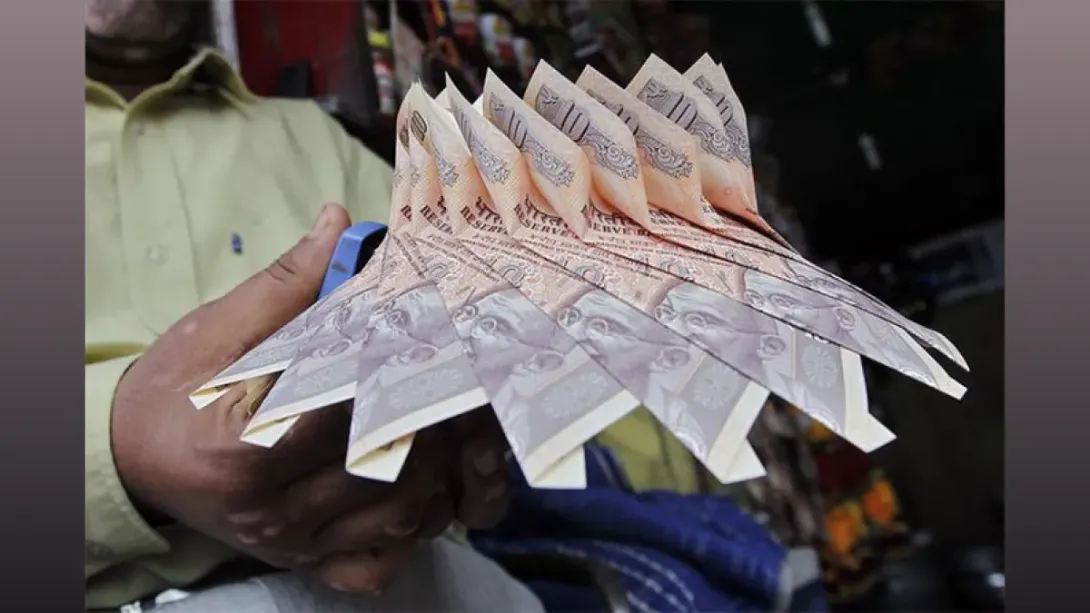
The Indian rupee appreciated against the U.S. dollar in Tuesday’s trading session, supported by strong inflows into domestic equities, easing crude oil prices, and a softer greenback in global markets. Market participants noted that steady demand for the rupee from exporters and positive risk sentiment further strengthened the currency’s position. While the Reserve Bank of India (RBI) was seen intervening intermittently to curb excessive volatility, analysts suggest the near-term trajectory of the rupee will depend on global economic cues, foreign investment flows, and movements in commodity prices.
Market Performance
The rupee opened on a stronger note and extended gains through the day, trading at higher levels against the U.S. dollar in both spot and futures markets. Dealers attributed the uptick to a combination of improved investor sentiment and sustained inflows from foreign institutional investors into Indian equities. With crude oil prices retreating in international markets, importers’ demand for dollars also moderated, providing additional support to the domestic currency.
Global Cues Driving Momentum
The U.S. dollar index, which measures the greenback’s performance against a basket of major currencies, weakened slightly amid expectations that the Federal Reserve may pause its aggressive rate-hike cycle. This global weakness in the dollar lent further strength to the rupee. Additionally, easing U.S. Treasury yields improved the appeal of emerging market currencies, with India’s rupee among the notable beneficiaries.
Role of the Central Bank
Traders indicated that the RBI likely intervened in the foreign exchange market to prevent sharp fluctuations. Such interventions are a common practice aimed at ensuring orderly currency movements and reducing speculative volatility. Analysts emphasized that while the rupee is expected to remain resilient in the near term, the RBI’s role will remain pivotal in maintaining stability during periods of global uncertainty.
Outlook for the Rupee
Currency strategists maintain that the rupee’s performance will depend on a balance of domestic and external factors. On the domestic side, sustained capital inflows and resilient macroeconomic fundamentals are expected to provide support. Globally, developments in the U.S. interest rate outlook, geopolitical tensions, and crude oil price trends will remain critical drivers. Market experts anticipate that the rupee may continue to trade within a narrow range in the short run, barring any sudden shocks from global markets.
Conclusion
The rupee’s appreciation against the U.S. dollar underscores the interplay of domestic resilience and global dynamics in shaping currency markets. While investors remain optimistic about India’s economic fundamentals, vigilance will be key as external risks continue to influence short-term movements. For now, the stronger rupee reflects a blend of favorable global cues and robust investor confidence in the Indian economy.
Comments