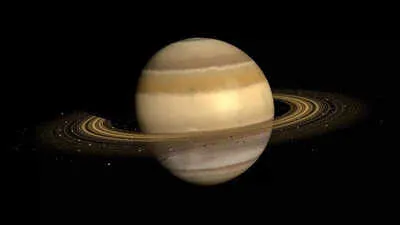
This weekend, skywatchers across the globe will have a prime opportunity to observe Saturn, the solar system’s iconic ringed planet, in all its celestial splendor. Visible without specialized equipment, Saturn’s presence in the night sky offers both a scientific spectacle and a chance to connect with astronomy enthusiasts. With its distinctive rings clearly observable through binoculars or a small telescope, the planet’s apparent proximity is a result of its current orbital alignment with Earth. Astronomers note that such visibility events are infrequent, making this weekend an exceptional occasion for both casual observers and serious stargazers alike.
Saturn’s Celestial Alignment
Saturn, the sixth planet from the Sun, is currently positioned favorably relative to Earth, allowing its full glory to be seen in the night sky. This alignment, known as opposition, occurs when the planet and the Sun are on opposite sides of Earth. During opposition, Saturn is both brighter and visible for longer periods, rising in the east at sunset and remaining observable throughout the night. The planet’s distinct golden hue and prominent rings are most easily viewed with binoculars or a small telescope, although even the naked eye can detect its steady glow.
Optimal Viewing Conditions
Astronomers recommend observing Saturn in locations with minimal light pollution to maximize visibility. Clear skies and elevated vantage points enhance the viewing experience, allowing enthusiasts to spot the planet and its brightest moons, such as Titan and Rhea. This weekend, Saturn will reach its peak altitude in the southern sky, providing optimal conditions for both photography and casual observation. In addition, online sky maps and astronomy apps can assist observers in locating the planet, ensuring that even novices can partake in this rare astronomical event.
Educational and Cultural Significance
Beyond its visual appeal, Saturn has long captured human imagination, inspiring mythologies, scientific inquiry, and artistic representation. Observing Saturn provides a unique opportunity to engage with the fundamentals of planetary motion, orbital mechanics, and celestial navigation. Educational institutions and astronomy clubs often organize special events during such visibility peaks, fostering public interest in space science and promoting awareness of the intricate workings of our solar system.
Conclusion
This weekend’s appearance of Saturn in the night sky represents a rare alignment that combines scientific curiosity, visual splendor, and cultural fascination. Whether approached as a casual observation or a serious astronomical study, the event offers a valuable opportunity to connect with the cosmos and appreciate the intricate dynamics of our planetary neighbors. Enthusiasts are encouraged to seize the moment, as Saturn’s rings and moons will remain a captivating spectacle for all who look skyward.
Comments