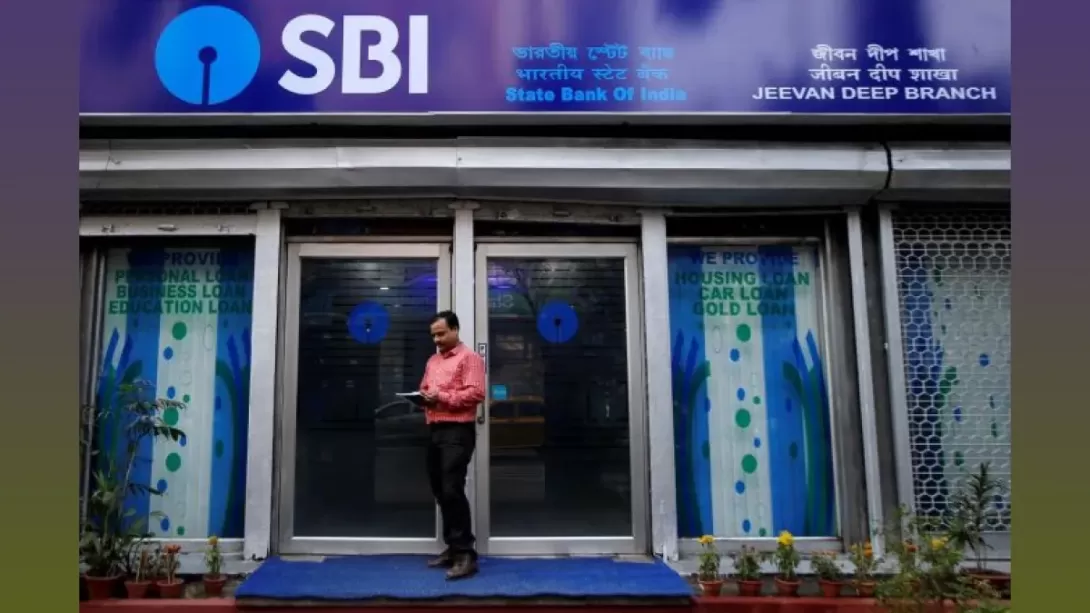
SBI Cards and Payment Services Ltd, India’s second-largest credit card issuer, reported a 19% decline in net profit for the March quarter of FY25, registering Rs. 534 crore as elevated defaults weighed on earnings. While overall income rose to Rs. 4,832 crore during the period, the spike in non-performing assets led to a significant increase in impairment losses. For the full fiscal year, the company's net profit dropped by 20%, despite growth in interest income and an expanding balance sheet. The results underscore growing credit risks in India’s retail lending space, particularly within unsecured consumer finance segments.
Quarterly Performance: Profit Erodes Despite Topline Growth
SBI Card’s financial performance for Q4 FY25 paints a mixed picture. The company’s net profit fell to Rs. 534 crore, a 19% decline from Rs. 662 crore reported in the same quarter last year. This downturn was largely driven by higher credit losses, even as revenue streams exhibited solid growth.
Total income for the March quarter climbed to Rs. 4,832 crore, up from Rs. 4,475 crore a year earlier. Within this, interest income grew to Rs. 2,415 crore from Rs. 2,139 crore, highlighting stronger credit card usage and broader consumer spending. However, these gains were offset by deteriorating asset quality and rising provisioning requirements.
Asset Quality Worsens: Non-Performing Assets on the Rise
One of the most striking developments in SBI Card’s Q4 report was the marked increase in non-performing assets (NPAs). The gross NPA ratio rose to 3.08%, compared to 2.76% in March 2024. Net NPAs also worsened, climbing to 1.46%, up from 0.99% in the previous fiscal’s final quarter.
This deterioration prompted a sharp uptick in impairment losses and bad debts, which surged to Rs. 1,245 crore, compared to Rs. 944 crore in the corresponding period last year. The rising default rates suggest increased stress among retail borrowers, particularly in unsecured lending categories, which credit cards predominantly represent.
Annual Performance: Persistent Pressure on Bottom Line
For the full fiscal year 2024–25, SBI Card reported a 20% decline in net profit, totaling Rs. 1,916 crore, down from Rs. 2,408 crore in FY24. This drop mirrors the quarterly trend of higher provisions driven by mounting delinquencies.
Nonetheless, total income for the fiscal year grew to Rs. 18,637 crore, compared to Rs. 17,484 crore in the prior year, reflecting sustained consumer demand and a higher transaction volume across the company’s credit card base.
The balance sheet also expanded to Rs. 65,546 crore as of March 31, 2025, up from Rs. 58,171 crore a year ago, pointing to an overall increase in financial activity and customer acquisition, albeit shadowed by rising risks.
Strategic Outlook: Navigating Credit Risk in a Competitive Market
As India’s credit card industry continues to grow, SBI Card faces a challenging balancing act between expansion and credit discipline. The recent surge in NPAs and associated impairment losses underlines the importance of risk calibration, especially amid global interest rate volatility and domestic inflationary pressures.
The company may need to tighten underwriting norms, invest further in predictive risk analytics, and explore secured lending alternatives to buffer profitability. Additionally, the broader ecosystem's economic health, consumer debt trends, and regulatory stance on unsecured credit will influence the company’s ability to sustain growth without compromising asset quality.
Conclusion: Headwinds Mount as Profitability Faces Pressure
SBI Card’s latest earnings report signals caution for investors and analysts alike. While the top-line numbers continue to reflect India’s robust digital consumption and growing plastic money penetration, the bottom line tells a different story—one of increasing stress in consumer credit.
The rising NPA levels, amplified provisioning costs, and declining profits highlight the vulnerability of the credit card business to broader economic headwinds. Going forward, SBI Card’s ability to manage credit risk, retain customer loyalty, and optimize capital allocation will be key determinants of its financial trajectory in a competitive, evolving market landscape.
Comments