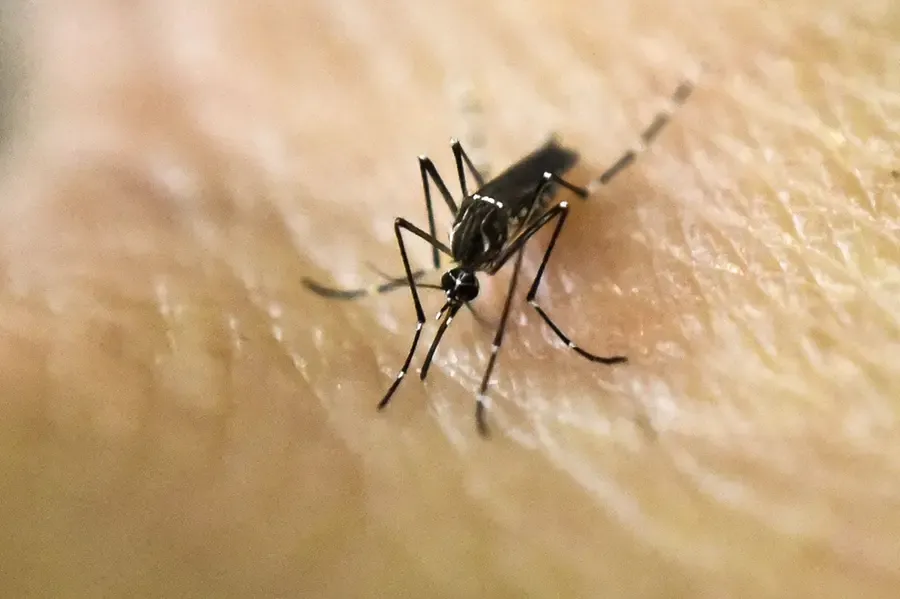
Recent research highlights the critical role of mosquito saliva in the transmission of chikungunya virus, providing new insights into the disease’s spread and potential preventive strategies. Studies indicate that viral particles present in mosquito saliva can enhance infection efficiency in humans, emphasizing the need for advanced vector control and public health awareness. This discovery deepens understanding of mosquito-borne viral dynamics, informs vaccine and antiviral development, and reinforces the importance of reducing human-mosquito contact. With chikungunya cases rising in several regions, these findings could shape targeted interventions to curb outbreaks and protect at-risk populations globally.
Understanding Chikungunya Transmission
Chikungunya is a viral infection transmitted primarily by Aedes mosquitoes, leading to fever, joint pain, and fatigue. Researchers have focused on the role of mosquito saliva in facilitating viral entry and infection in human hosts. Saliva contains proteins that may suppress local immune responses, increasing susceptibility and enhancing viral replication.
Scientific Findings on Saliva’s Role
Laboratory studies demonstrate that chikungunya virus particles in mosquito saliva can directly infect skin cells and modulate immune pathways, making infections more severe than direct viral exposure alone. These insights highlight the biological interplay between vector and host, crucial for understanding viral spread and pathogenicity.
Implications for Public Health
The findings underscore the urgency of effective mosquito control measures, including elimination of breeding sites, insecticide use, and protective barriers such as repellents and nets. Public education campaigns targeting high-risk areas can reduce transmission and mitigate outbreaks, particularly during peak mosquito activity seasons.
Future Research and Prevention Strategies
Ongoing research aims to develop vaccines and antiviral therapies that account for saliva-mediated infection mechanisms. Understanding these pathways may also facilitate innovations in genetically modified mosquitoes or saliva-targeted interventions to disrupt viral transmission at the source.
Global Context and Epidemiological Significance
Chikungunya remains a concern in tropical and subtropical regions, with increasing incidence linked to urbanization and climate change. The identification of saliva’s role enhances epidemiological models and can inform international health policies, improving preparedness and outbreak response strategies worldwide.
Comments