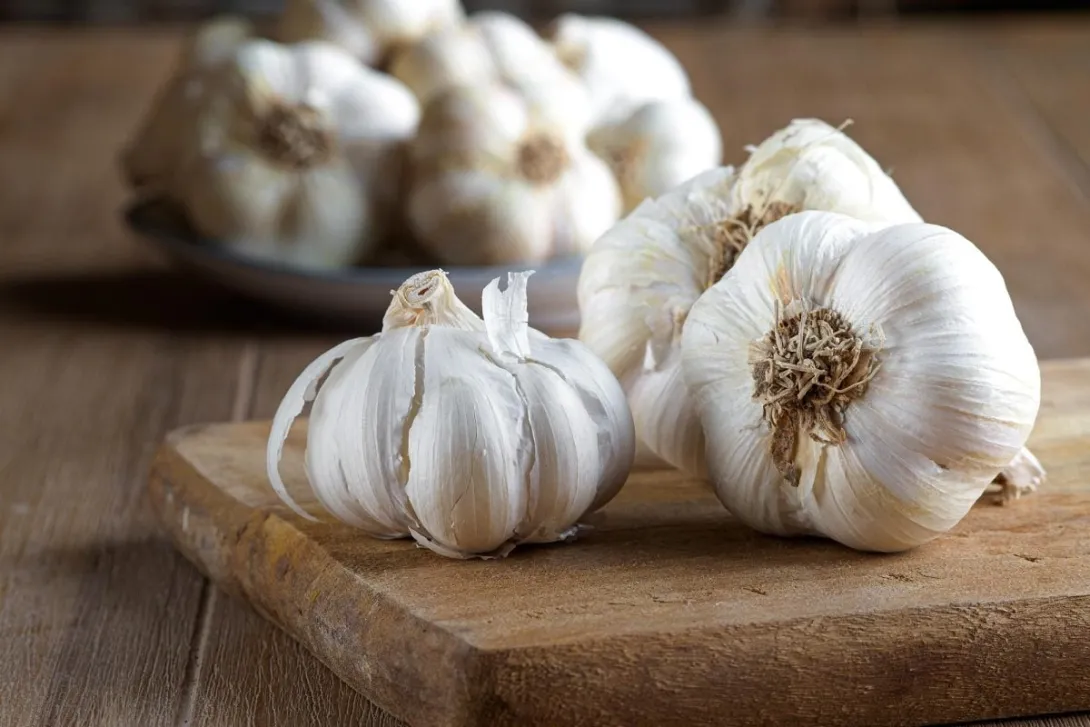
New research suggests that a common, pungent kitchen ingredient may be more effective at refreshing breath and reducing oral bacteria than conventional mint mouthwashes. Scientists examining natural alternatives to chemical-based rinses have found that this “stinky” staple—often dismissed for its strong odor—contains potent antimicrobial compounds capable of neutralizing harmful bacteria linked to bad breath and gum disease. The findings introduce a surprising shift in oral-care recommendations and highlight the growing scientific interest in plant-based hygiene solutions. As consumers seek safer, more affordable options, this natural ingredient may soon play a larger role in daily dental routines.
A Surprising Contender in Oral Hygiene
For decades, mint-flavored mouthwashes have dominated the oral-care market, marketed as the fastest route to fresh breath. However, new scientific evaluations suggest that a well-known, intensely aromatic kitchen ingredient—raw garlic—could outperform these traditional products in reducing odor-causing bacteria. Long valued for its medicinal properties, garlic contains sulfur-rich compounds that demonstrate exceptional antimicrobial power.
Researchers found that allicin, a bioactive component released when garlic is crushed, is highly effective at killing bacteria that thrive on the tongue and gums. This gives garlic a biological edge over synthetic mouthwashes that often mask odors rather than address their root cause.
The Science Behind a Stronger Solution
The study focused on comparing the antibacterial activity of garlic extract with standard alcohol-based mouthwashes. Results indicated that garlic’s natural compounds disrupted bacterial growth at a faster rate and maintained effectiveness for longer durations. This capability is especially valuable for individuals seeking solutions for persistent halitosis or early-stage gum infections.
While mint mouthwashes may temporarily freshen breath, their high alcohol content can dry the mouth, creating a favorable environment for bacterial regrowth. Garlic’s natural oils, in contrast, target pathogens while preserving the mouth’s moisture balance, a critical factor in oral health.
Consumer Attitudes Shift Toward Natural Remedies
The rising preference for natural and sustainable products has accelerated interest in plant-based oral solutions. Consumers are increasingly aware of potential side effects linked to synthetic formulations—such as irritation or enamel sensitivity—and are exploring holistic alternatives.
Garlic’s proven antimicrobial potential aligns with this trend. Although its aroma remains a deterrent for some, scientists emphasize that the benefits far outweigh the temporary odor. Many studies also suggest that combining garlic extract with mild herbs or oils can create an effective and palatable mouth rinse.
Cost-Effective and Widely Available
A major advantage of garlic is its affordability and accessibility. With prices typically ranging between Rs. 80 and Rs. 200 per kilogram depending on region and season, the ingredient remains significantly cheaper than branded mouthwash products. This makes it a practical option for households seeking low-cost oral care without compromising on effectiveness.
For families or individuals managing long-term dental concerns, the economic benefits may be particularly notable. The shift toward budget-friendly, natural remedies reflects broader consumer behavior in times of rising healthcare expenses.
Potential for Future Dental Innovations
The findings open the door for pharmaceutical and personal-care companies to explore garlic-based formulations that neutralize its odor while capitalizing on its therapeutic properties. Innovations may include garlic-infused gels, essential oil blends, or herbal mouth rinses designed to deliver the same antimicrobial effects in a more user-friendly format.
Dentists acknowledge that while garlic is not a replacement for professional dental care, it could serve as a powerful supplemental tool in maintaining oral hygiene, especially in reducing harmful bacteria that cause plaque buildup and inflammation.
Conclusion: A Humble Ingredient with Powerful Potential
What was once considered merely a strong-smelling kitchen essential is now being recognized as a scientifically validated oral-care solution. Garlic’s robust antimicrobial properties position it as a compelling alternative to traditional mint mouthwash, particularly for individuals seeking natural, cost-effective methods to maintain fresh breath and improve oral health.
As research expands, this unassuming ingredient may soon transition from culinary necessity to a mainstream component of preventive dental care—proving that sometimes, the most surprising solutions are hiding in plain sight.
Comments