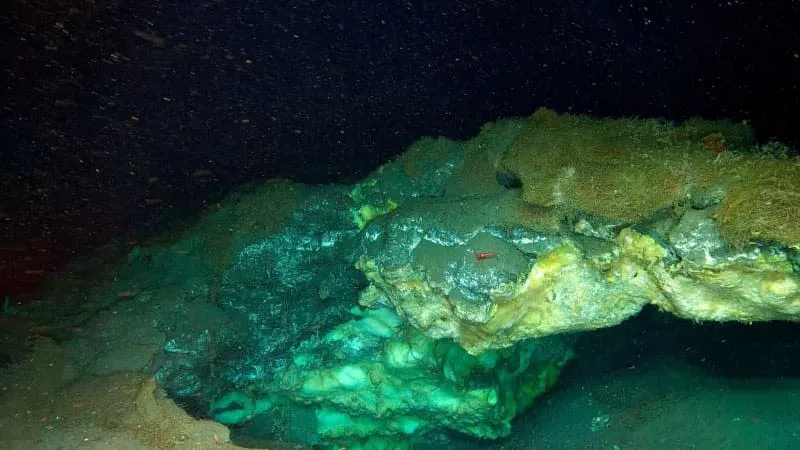
Scientists have identified the deepest-known gas hydrate mounds beneath the Arctic seafloor, marking a significant breakthrough in climate science and energy research. Located thousands of meters below the ocean surface, these methane-rich formations offer new insights into carbon storage, seabed stability, and the long-term impacts of global warming. The discovery underscores the Arctic’s critical role in regulating Earth’s climate while raising important questions about environmental risk and future energy potential. Researchers say the findings could reshape scientific understanding of methane dynamics in extreme environments.
Breakthrough Discovery in the Arctic
An international team of scientists has discovered the deepest gas hydrate mounds ever recorded in the Arctic region. These ice-like structures, formed when methane gas becomes trapped within water molecules under high pressure and low temperatures, were found far deeper than previously observed deposits.
Why Gas Hydrates Matter
Gas hydrates are considered one of the largest reservoirs of methane on the planet. Methane is a potent greenhouse gas, significantly more powerful than carbon dioxide over short time horizons. Understanding how these hydrates form, remain stable, or potentially destabilize is central to assessing long-term climate risks.
Implications for Climate Science
The newly discovered mounds provide researchers with critical data on how methane is stored beneath polar oceans. Scientists warn that rising ocean temperatures could destabilize hydrate formations, potentially releasing methane into the water column and atmosphere. Such releases could accelerate global warming if not properly understood and monitored.
Energy Potential and Environmental Risks
Beyond climate concerns, gas hydrates have long attracted interest as a potential future energy source. Estimates suggest hydrate reserves may exceed conventional fossil fuel deposits. However, experts caution that extraction remains technologically complex and environmentally sensitive, particularly in fragile Arctic ecosystems.
Advancing Deep-Sea Research
The discovery was made using advanced deep-sea imaging and drilling technologies, highlighting the growing sophistication of polar research infrastructure. Scientists say continued investment in Arctic exploration is essential to improve climate models and inform policy decisions.
A Call for Global Attention
As the Arctic warms faster than any other region on Earth, discoveries like these underscore the urgency of coordinated international research. The findings serve as both a scientific milestone and a reminder of the delicate balance between natural resources and environmental stewardship.
Comments