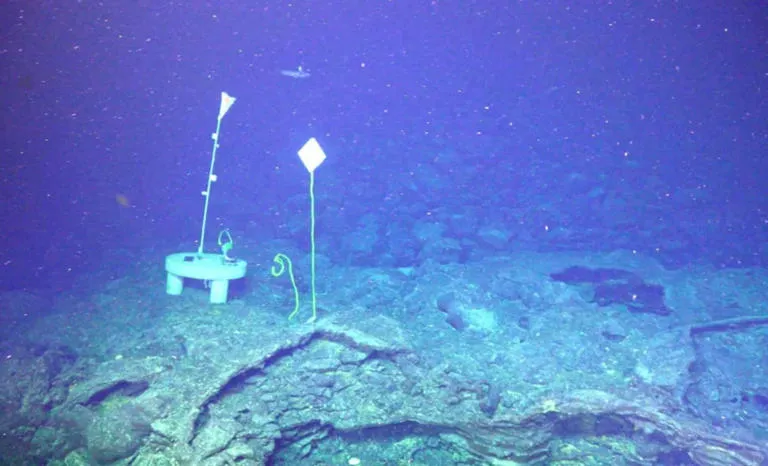
The Tongan underwater volcano Hunga Tonga-Hunga Ha'apai, renowned as the world’s most active submarine volcano, may be poised for another eruption in 2025, according to recent scientific assessments. Following its catastrophic eruption in January 2022, which generated massive tsunamis and atmospheric shockwaves, researchers are closely monitoring seismic and geophysical signals indicating potential volcanic activity. The volcano’s volatile behavior underscores the need for enhanced global monitoring, early-warning systems, and disaster preparedness in the Pacific region. Scientists emphasize that understanding underwater volcanic dynamics is crucial not only for hazard mitigation but also for insights into Earth’s geophysical and oceanographic processes.
Background on Hunga Tonga-Hunga Ha'apai
Hunga Tonga-Hunga Ha'apai is a submarine volcano located in the South Pacific’s Tonga archipelago. Its 2022 eruption was one of the most powerful recorded in recent history, producing towering plumes, pyroclastic flows, and significant tsunami waves across the Pacific Rim. The eruption highlighted the unpredictable nature of underwater volcanism and the potential for far-reaching environmental and socio-economic impacts.
Indicators of Potential Activity in 2025
Scientists are observing rising magma pressures, increased seismic tremors, and gas emissions, suggesting that Hunga Tonga-Hunga Ha'apai may be entering another active phase. While predicting the exact timing and magnitude of submarine eruptions remains complex, ongoing geophysical surveys and satellite monitoring provide critical early-warning data for regional authorities.
Implications for the Pacific Region
Given the volcano’s previous capacity to generate tsunamis, coastal communities in Tonga, Fiji, Samoa, and even further-reaching areas like Japan and New Zealand face potential risks. Emergency response plans and international coordination are essential to mitigate the impacts of any future eruptions.
Scientific and Environmental Significance
Studying Hunga Tonga-Hunga Ha'apai offers unique opportunities to understand underwater volcanic processes, volcanic island formation, and their interactions with oceanic and atmospheric systems. Researchers note that submarine eruptions can influence marine ecosystems, ocean chemistry, and global climate patterns, reinforcing the importance of continuous observation.
Conclusion
As 2025 approaches, vigilance is key. The world’s most active underwater volcano serves as a stark reminder of nature’s power and unpredictability. Strengthening monitoring networks and public preparedness strategies remains imperative to safeguard lives and infrastructure in vulnerable Pacific regions while advancing scientific knowledge of submarine volcanic activity.
Comments