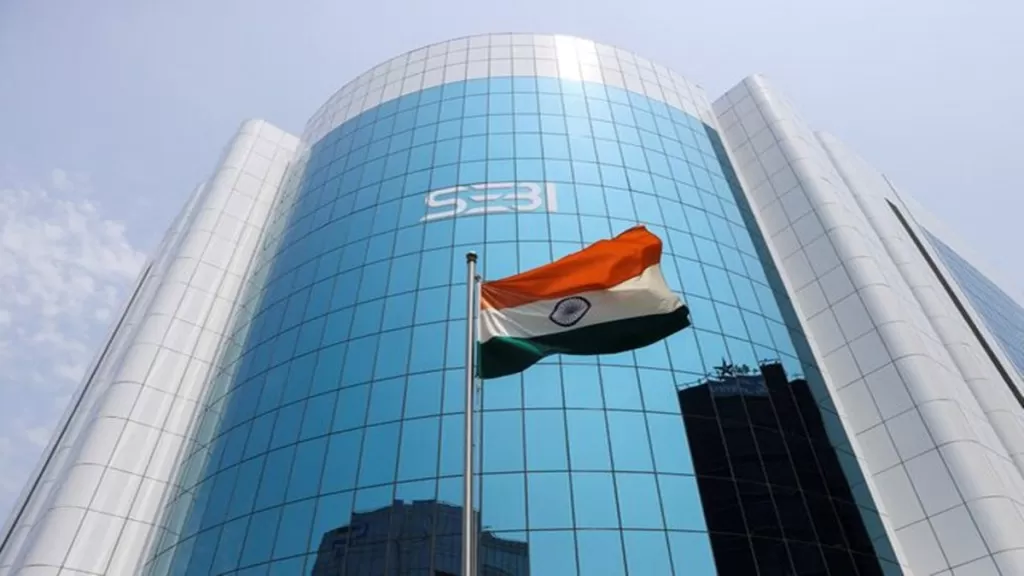
Shares of BSE Ltd. plunged over 6% to an intraday low of Rs. 2,500 on June 18, following a regulatory move by the Securities and Exchange Board of India (SEBI) that is set to reshape competition in India’s derivatives market. SEBI has approved the National Stock Exchange's (NSE) proposal to move its weekly equity derivatives expiry day from Thursday to Tuesday, effective September 1, 2025. The decision is widely viewed as a strategic challenge to BSE’s current derivatives framework and raises questions about market share dynamics, competitive pressure, and the broader regulatory landscape.
SEBI Clears Key Derivatives Market Reform
In a significant regulatory development, SEBI has granted the National Stock Exchange permission to revise the expiry schedule for its weekly equity derivatives contracts, shifting it from the traditional Thursday slot to Tuesday. This move, set to come into effect from September 1, 2025, is expected to realign trading patterns, liquidity flow, and investor behavior in India’s fast-growing derivatives market.
The approval marks a strategic inflection point in the ongoing battle for market share between NSE and BSE, two of India’s most prominent stock exchanges. NSE’s request, aimed at enhancing efficiency and optimizing trading volumes, now opens the field for more dynamic expiry-based strategies—and more intense competition.
BSE Stock Reacts Sharply to Regulatory Decision
Investors were quick to react to the development. On June 18, BSE shares dropped 6.2% intraday to hit a low of Rs. 2,500 on the National Stock Exchange. The sell-off reflects growing concerns that NSE's new expiry calendar may undermine BSE's relative traction in the derivatives segment, where expiry days often play a critical role in attracting volume and trader interest.
Although BSE has seen substantial growth in its derivatives trading volume in recent quarters—largely by leveraging Thursday as its expiry day—the new schedule from NSE is likely to erode that competitive advantage. Traders may now choose to consolidate positions on NSE’s Tuesday expiry instead, reducing incremental interest on BSE.
Implications for the Indian Derivatives Landscape
Weekly derivative expiries are central to options trading strategies, especially for retail and institutional traders engaged in short-term positioning. By shifting its expiry to Tuesday, NSE appears to be positioning itself to create a temporal gap between its own derivatives cycle and that of global markets, including the U.S. and Europe, potentially giving Indian traders a more independent window for strategic trades.
This move also presents new challenges for BSE, which has worked diligently to build its presence in equity derivatives—a segment traditionally dominated by NSE. Any decline in weekly volume could ripple through BSE’s broader ecosystem, affecting transaction revenue, market data fees, and its overall valuation outlook.
Strategic Calculus Behind NSE’s Move
Analysts interpret NSE’s decision not just as a scheduling adjustment but as a calculated effort to recapture derivative market flows that BSE had started to attract with its Thursday expiry model. The regulatory approval gives NSE the latitude to reassert its primacy in this space while forcing BSE to rethink its product placement, fee structure, and trader engagement models.
Some industry experts believe that SEBI’s move is aimed at enhancing competition, preventing monopolistic behavior, and improving market resiliency by offering traders more choice. However, others argue it may lead to an imbalance in market share unless BSE is allowed or encouraged to innovate in parallel.
Looking Ahead: Uncertain Terrain for BSE
While BSE remains a formidable player in the cash equity space, its future in the equity derivatives market is now more uncertain. The upcoming shift in NSE’s expiry calendar could potentially divert a significant chunk of weekly volumes unless BSE responds with strategic countermeasures—such as adjusting its own expiry day, introducing new contracts, or enhancing trader incentives.
Market watchers will also be closely observing SEBI’s stance on future proposals from either exchange, particularly regarding product innovation and market conduct.
Conclusion
The SEBI-approved expiry realignment has triggered more than just a one-day decline in BSE stock—it has reshaped the contours of competition in India’s derivatives landscape. With NSE poised to roll out Tuesday expiries from September 2025, both institutional and retail investors are likely to reassess their trading patterns, while exchanges recalibrate their strategic playbooks. For BSE, the coming months will be crucial in defining how it counters the renewed competitive thrust and sustains its foothold in India’s financial markets.
Comments