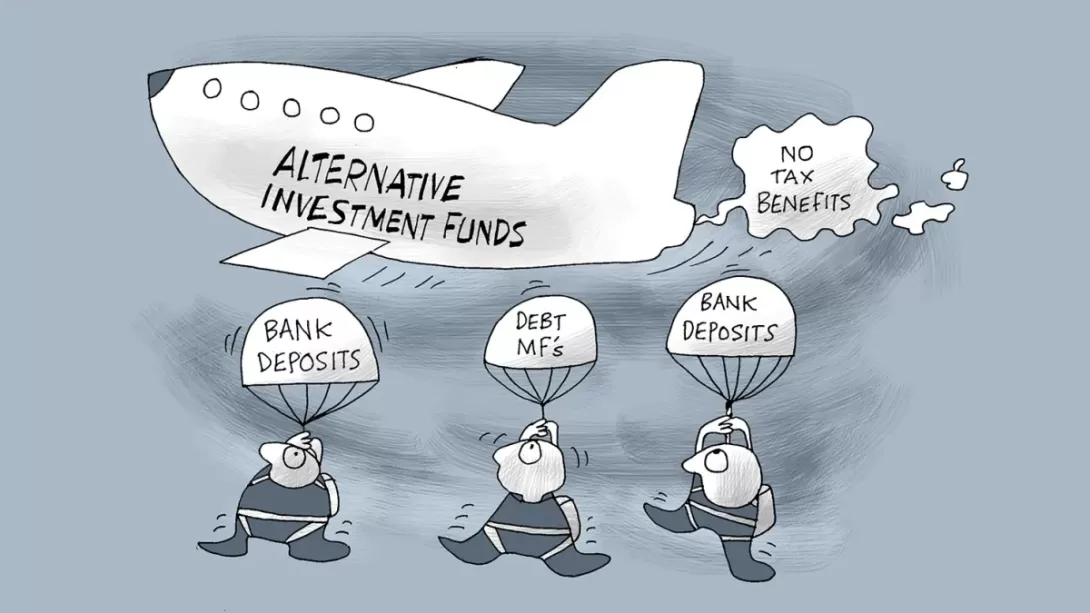
India’s capital markets regulator, the Securities and Exchange Board of India (SEBI), has proposed a transformative framework to enhance flexibility for Alternative Investment Funds (AIFs). The new model would allow AIFs to offer co-investment opportunities within their existing structure through a dedicated Co-Investment Vehicle (CIV). Additionally, SEBI has proposed easing restrictions on investment managers by permitting them to offer advisory services on listed securities. These proposed reforms aim to deepen investor participation, simplify regulatory compliance, and promote greater capital flow into India's growing private markets.
SEBI Reimagines the AIF Landscape
In a significant move aimed at enhancing investor engagement, SEBI has proposed amendments to the regulatory framework governing Alternative Investment Funds. The central element of this initiative is the introduction of a Co-Investment Vehicle (CIV)—a dedicated scheme within an AIF that would enable select investors to co-invest in unlisted securities alongside the fund.
This development could mark a strategic evolution in India’s private capital ecosystem, aligning it with global best practices where co-investment structures are frequently used to attract sophisticated investors and increase deployment efficiency.
Structure and Function of Co-Investment Vehicles
Under SEBI’s proposal, the CIV will be launched as a separate scheme under a Category I or Category II AIF. It will operate under a shelf Private Placement Memorandum (PPM) filed with SEBI, either at the time of registration or subsequently by existing AIFs. Each co-investment into an investee company would require the launch of a distinct CIV scheme, which must be reported to the regulator.
To ensure transparency and operational separation, each CIV scheme would be mandated to maintain individual bank accounts, demat accounts, and Permanent Account Numbers (PANs). Importantly, access to these CIV schemes would be restricted to accredited investors, reflecting SEBI’s intent to target experienced participants with substantial capital and risk appetite.
Exemptions and Operational Flexibility
In order to provide operational latitude and avoid redundancy in oversight, SEBI has proposed that CIV schemes be exempt from certain standard AIF requirements. These exemptions include:
- Diversification norms
- Minimum sponsor or manager investment commitments
- Minimum scheme tenure requirements
However, to safeguard investor interests and prevent misuse, the implementation of CIV schemes would be subject to standards set by a designated self-regulatory or industry forum. These standards would focus on maintaining the integrity of the investment purpose and ensuring that the enhanced flexibility is used in a bona fide manner.
Advisory Services for Listed Securities: A Welcome Shift
SEBI’s reform agenda doesn’t end with co-investment. The regulator has also proposed lifting the ban on AIF investment managers from offering advisory services in listed securities. This is a notable departure from the existing regime and could unlock new synergies for fund managers who operate across both public and private market strategies.
Allowing AIF managers to extend their expertise into the listed space will likely promote integrated investment approaches and expand the advisory landscape, particularly in a market where boundaries between asset classes are increasingly blurred.
Strategic Significance and Investor Implications
These proposals are timely, as India continues to witness robust growth in its private equity and venture capital sectors. Institutional and high-net-worth investors are increasingly seeking customized exposure to private assets, and co-investments offer a powerful mechanism for enhancing returns while aligning incentives.
The CIV model, if adopted, would allow for a more scalable and compliant structure to accommodate such demand, while maintaining regulatory oversight and investor protection.
Moreover, enabling AIF managers to offer listed advisory services could enhance market liquidity and bridge the informational gap between private and public investment landscapes.
Public Consultation Open Until May 30
SEBI has opened these proposals for public comment until May 30, inviting industry stakeholders, investors, and policy observers to provide feedback. The regulator’s consultative approach underscores its commitment to building a balanced, transparent, and investor-friendly alternative investment ecosystem.
Conclusion: A Step Toward Market Maturity
SEBI’s proposed reforms reflect a maturing Indian capital market that is increasingly aligning with global norms. By allowing co-investment through a formal CIV structure and removing advisory restrictions, SEBI is positioning India’s AIF sector for sustainable growth and deeper institutional participation.
These changes, if implemented effectively, could enhance operational efficiency, foster innovation, and reinforce India’s reputation as a competitive and transparent investment destination in the global alternative asset landscape.
Comments