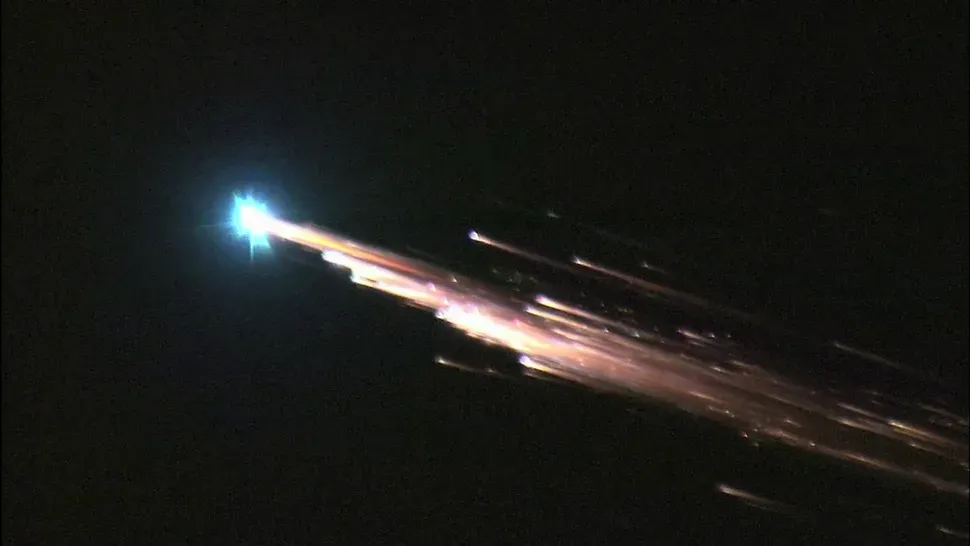
Scientists have unveiled an innovative technique to track space debris using seismic sensors, marking a potential turning point in the global effort to manage orbital congestion. By analyzing faint vibrations generated when space junk re-enters Earth’s atmosphere or impacts the planet’s surface, researchers believe they can supplement existing radar- and telescope-based monitoring systems. The approach promises broader coverage, lower costs, and improved detection of smaller debris that often evades conventional tracking tools. As satellite launches accelerate worldwide, this development could strengthen space safety frameworks and reduce the growing risk of collisions in Earth’s increasingly crowded orbits.
A Growing Challenge Above Earth
The accumulation of defunct satellites, rocket fragments, and collision debris has become one of the most pressing issues in modern space operations. With thousands of objects circling Earth at extreme speeds, even a minor collision can generate cascading damage, threatening active satellites and crewed missions.
Traditional tracking systems rely heavily on radar arrays and optical telescopes, which are expensive to operate and limited in their ability to detect very small objects. These gaps have prompted scientists to explore unconventional data sources that could enhance situational awareness in space.
How Seismic Sensors Enter the Equation
The newly proposed method leverages seismic instruments typically used to detect earthquakes and underground activity. Researchers found that when space debris re-enters the atmosphere or strikes the Earth’s surface, it can produce subtle seismic waves detectable by sensitive ground-based sensors.
By correlating these seismic signatures with known orbital data, scientists can estimate the size, speed, and trajectory of the debris. This cross-disciplinary approach blends space science with geophysics, opening a novel pathway for monitoring events that were previously difficult to observe.
Advantages Over Conventional Systems
One of the most compelling aspects of seismic-based tracking is cost efficiency. Many countries already maintain extensive seismic networks, meaning the infrastructure is largely in place. Integrating space debris analysis into existing systems could significantly reduce monitoring expenses.
Moreover, seismic sensors are not affected by weather conditions or daylight, offering continuous coverage. This capability could prove especially valuable in detecting smaller debris fragments that pose disproportionate risks but often escape radar detection.
Implications for Space Safety and Policy
Improved debris tracking has far-reaching implications for satellite operators, insurers, and regulators. More accurate data could inform collision avoidance maneuvers, reduce insurance risks, and support international efforts to establish responsible norms for space activity.
As governments and private companies continue to invest heavily in satellite constellations, tools that enhance orbital transparency are becoming essential. Seismic monitoring may soon complement existing systems, contributing to a more resilient and sustainable space environment.
The Road Ahead
While the technique is still under scientific evaluation, early results have generated optimism within the research community. Further testing and global collaboration will be needed to standardize data interpretation and integrate seismic inputs into space traffic management systems.
If successfully scaled, this method could redefine how humanity listens to the echoes of activity beyond Earth—transforming faint ground vibrations into critical intelligence for the future of space operations.
Comments