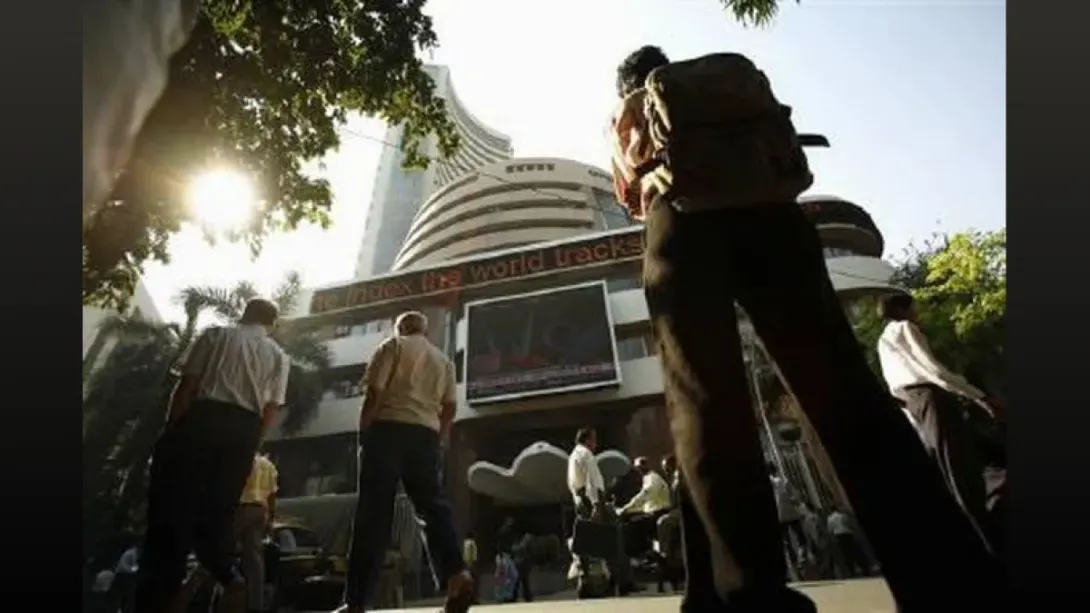
Indian equity markets witnessed a sharp decline today, with both the Sensex and Nifty ending lower amid global market weakness and sustained profit booking across key sectors. Concerns over foreign fund outflows, mixed corporate earnings, and rising U.S. bond yields contributed to the subdued sentiment. Heavy selling in banking, IT, and energy stocks dragged the benchmarks into negative territory, while defensive sectors such as FMCG and pharmaceuticals offered limited support. Analysts suggest that short-term volatility may persist as investors weigh macroeconomic headwinds, including oil price fluctuations and potential central bank policy shifts, against India’s long-term growth outlook.
Broader Market Under Pressure
The benchmark BSE Sensex fell sharply, closing below the 73,000 mark, while the NSE Nifty 50 slipped beneath 22,000, reflecting broad-based weakness across large-cap and mid-cap segments. Market volatility increased during afternoon trade, driven by intensified selling in financials and IT counters.
Among the major laggards were HDFC Bank, Infosys, Reliance Industries, and ICICI Bank, which collectively accounted for a significant portion of the index losses. Meanwhile, select FMCG and healthcare stocks such as Hindustan Unilever and Sun Pharma provided mild cushioning, as investors shifted toward defensive plays amid global uncertainty.
Broader indices mirrored the trend, with the Nifty Midcap 100 and Smallcap 100 indices posting moderate declines. Market breadth remained negative, indicating more stocks closed in the red than in the green.
Global Cues Add to the Caution
Global factors played a decisive role in dampening investor confidence. Asian and European markets traded weak, weighed down by geopolitical concerns, rising U.S. Treasury yields, and caution ahead of key economic data releases. The U.S. Federal Reserve’s recent hawkish tone has sparked fears of prolonged higher interest rates, prompting risk aversion among global investors.
Back home, foreign institutional investors (FIIs) were net sellers in recent sessions, pulling out funds amid currency depreciation and cautious global positioning. The Indian rupee weakened slightly against the U.S. dollar, adding further pressure on equities.
Sectoral Overview: Financials and IT Drag, FMCG and Pharma Resist
Sector-wise, the Nifty Bank, IT, and Energy indices bore the brunt of the selloff. Banking stocks faced headwinds due to concerns over tightening liquidity and pressure on net interest margins, while IT counters declined amid weak global tech spending sentiment.
On the other hand, FMCG and pharmaceutical companies benefited marginally as investors sought safety in relatively stable sectors. Analysts believe this sectoral divergence could persist until global risk appetite improves.
Commodity-linked sectors also faced headwinds, with oil marketing companies trading lower following crude price volatility and fluctuating global demand indicators.
Market Outlook: Short-Term Volatility, Long-Term Optimism
Market experts anticipate that volatility may continue in the near term as investors await cues from global central banks and domestic macroeconomic data. Persistent foreign fund outflows, coupled with rising crude oil prices, could keep market sentiment in check.
However, analysts maintain a positive long-term outlook for Indian equities, citing strong domestic growth fundamentals, resilient corporate earnings, and ongoing government reforms. The India VIX, a gauge of market volatility, inched higher, suggesting cautious investor sentiment.
“While the short-term outlook remains choppy due to global factors, India’s economic fundamentals and corporate profitability provide strong support for medium-term growth,” said a Mumbai-based market strategist.
Conclusion: A Period of Consolidation
Today’s decline underscores the market’s sensitivity to external triggers and its ongoing phase of consolidation after months of strong performance. With global macroeconomic dynamics evolving rapidly, investors are expected to adopt a selective approach, focusing on quality stocks with robust balance sheets and consistent earnings visibility.
As the Sensex and Nifty navigate this period of adjustment, analysts believe that corrections could offer opportunities for long-term investors to accumulate fundamentally strong companies, particularly in domestic consumption, infrastructure, and manufacturing sectors.
Comments