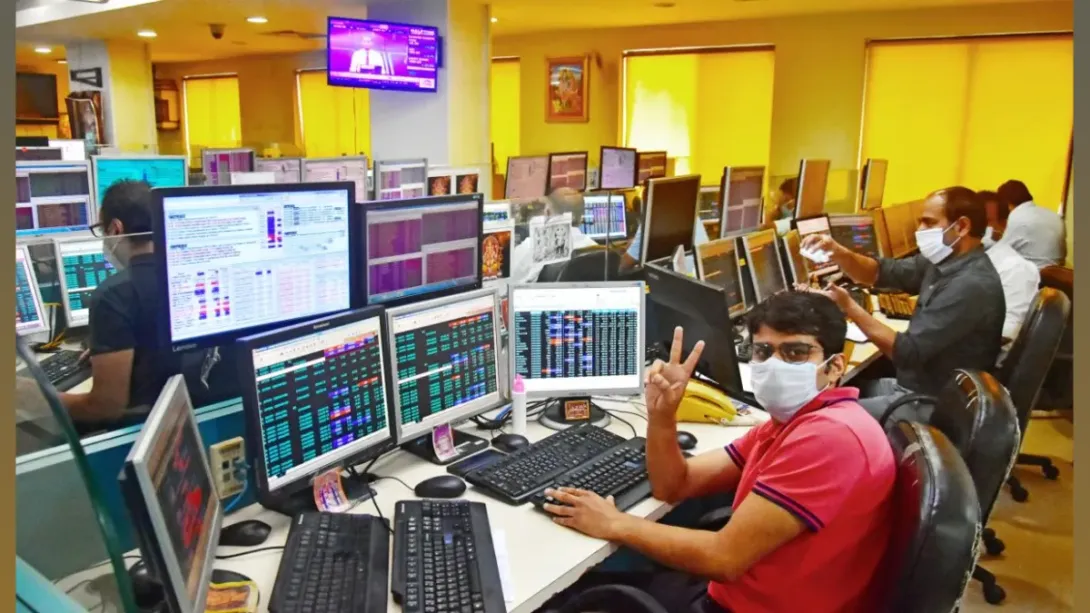
Indian equity markets closed sharply higher, with the benchmark Sensex rising 487 points, buoyed by optimism surrounding progress in India–European Union free trade negotiations. Investors welcomed the prospect of improved market access, stronger exports and enhanced economic cooperation between the two regions. The positive sentiment was broad-based, with gains seen across industrials, automobiles and export-oriented stocks. The rally reflects growing confidence that a comprehensive trade pact could support long-term growth while reinforcing India’s integration into global supply chains, even as investors remain watchful of global macroeconomic cues.
Markets React to Trade Agreement Optimism
The Sensex advanced 487 points in a strong trading session as investors responded positively to renewed momentum in India–EU free trade discussions. Market participants viewed the developments as a constructive signal for economic growth and cross-border trade.
The prospect of reduced tariffs and regulatory alignment boosted expectations of higher exports and foreign investment, driving buying interest across key sectors.
Export-Oriented Stocks Lead Gains
Shares of companies with significant overseas exposure outperformed the broader market. Automobiles, engineering firms and select information technology stocks benefited from expectations of improved access to European markets.
Analysts noted that trade-linked sectors stand to gain the most from a potential agreement, particularly those already aligned with global quality and compliance standards.
Broader Economic Implications
A comprehensive India–EU FTA could deepen bilateral trade ties and reduce friction for businesses operating across borders. For India, improved access to a large developed market could support manufacturing growth and job creation.
Investors also see the agreement as a step toward diversifying trade partnerships, reducing dependence on any single geography amid global economic uncertainty.
Outlook: Optimism Tempered by Global Risks
While the market rally reflects near-term optimism, investors remain mindful of external risks, including global interest-rate trends and geopolitical developments. The timing and scope of any trade agreement will be closely watched.
For now, the Sensex’s sharp rise underscores how policy signals and trade developments continue to influence market sentiment, reinforcing the importance of global economic engagement in shaping equity market performance.
Comments