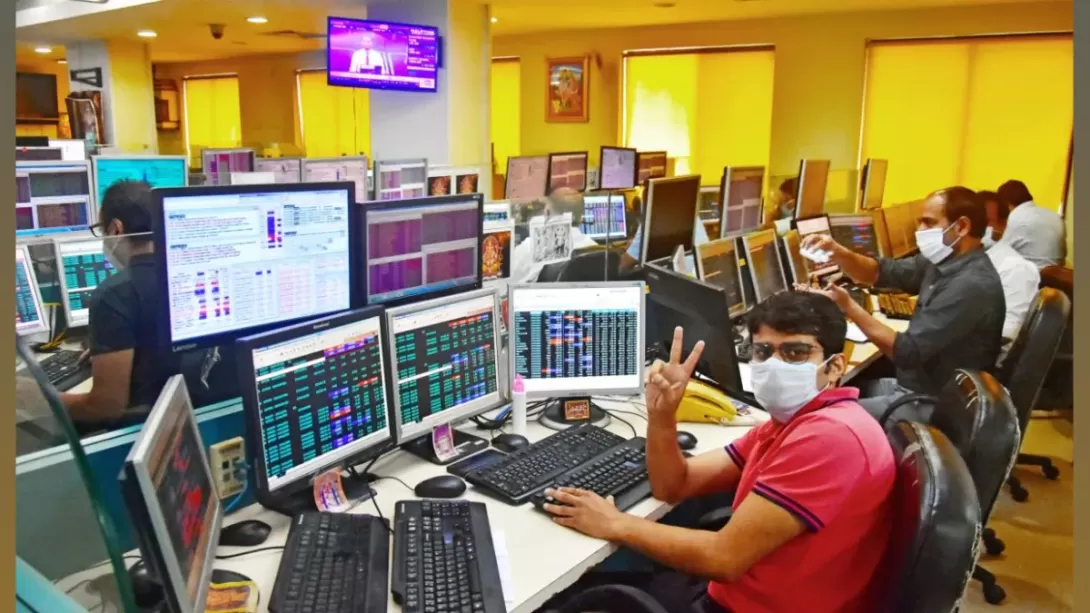
In a significant realignment of India’s equity benchmark indices, Asia Index, the joint venture between S&P Dow Jones Indices and the BSE, has announced the inclusion of Trent Ltd and Bharat Electronics Ltd (BEL) in the BSE Sensex. The move, which will take effect from June 23, marks the exit of FMCG major Nestlé India and private lender IndusInd Bank from the 30-stock benchmark. This reconstitution reflects evolving market dynamics and investor sentiment. The broader reshuffle also impacts several other indices, signaling a strategic shift in India's equity landscape and opening the door for rising sectors and performers.
Trent and BEL Enter the Sensex Spotlight
Trent Ltd, the retail arm of the Tata Group, and Bharat Electronics Ltd, a government-owned defense electronics firm, are set to join the 30-share Sensex, one of India’s most widely tracked market indices. Their induction signifies a growing investor appetite for retail and defense manufacturing — sectors that have gained prominence amid changing consumer behavior and national security imperatives.
The inclusion comes at the expense of Nestlé India and IndusInd Bank, both of which will exit the benchmark index. This marks a rare departure for Nestlé, a stalwart in the fast-moving consumer goods (FMCG) space, as well as IndusInd, which has been part of India’s private banking growth story.
Strategic Changes Reflect Broader Market Trends
Beyond the headline Sensex reshuffle, Asia Index also announced sweeping changes across other indices, aimed at aligning them more closely with contemporary market performance and sectoral shifts.
In the BSE 100 index, three new companies — Dixon Technologies, Coforge, and Indus Towers — will be added. Simultaneously, Bharat Forge, Dabur India, and Siemens Ltd are set to exit the index. The additions underscore the growing influence of electronics manufacturing, IT services, and telecom infrastructure.
Similarly, the BSE Sensex 50 index will welcome InterGlobe Aviation (the parent of IndiGo Airlines) and Shriram Finance, displacing Britannia Industries and Hero MotoCorp. This change reflects a shift in investor focus toward transportation and diversified financial services, while two traditional consumer and automotive brands step aside.
Next 50 Index Sees Dynamic Shuffling
The BSE Sensex Next 50, which represents the tier just below the primary Sensex, will undergo a synchronized transition. Newly inducted constituents include Britannia Industries, Dixon Technologies, Coforge, Hero MotoCorp, and Indus Towers — all of which aim to capitalize on evolving consumer and infrastructure needs.
Meanwhile, InterGlobe Aviation, Shriram Finance, Bharat Forge, Dabur India, and Siemens Ltd will make their exit from the Next 50, following their reassignments or relative performance positioning within the broader market context.
Bankex Index Update: IDFC First Joins the Fold
In the banking-specific BSE Bankex index, IDFC First Bank is poised to replace Canara Bank. This move represents a subtle but important shift in how market participants perceive growth potential within India’s evolving banking landscape, with newer-age retail-focused lenders gaining traction over traditional state-run institutions.
Implications for Investors and Market Sentiment
The index rebalancing exercise by Asia Index reflects a broader recalibration in investor preferences, sectoral weightings, and institutional focus. The inclusion of companies such as Trent, Bharat Electronics, and Dixon Technologies indicates a pivot toward domestic consumption, manufacturing, and digital infrastructure — all areas prioritized in India’s economic roadmap.
Such changes typically attract fresh inflows from passive investment vehicles and exchange-traded funds (ETFs) tracking these indices. Consequently, stocks newly added to major indices may witness a short-term bump in demand, while those dropped could face temporary selling pressure.
Conclusion: A Signal of Market Evolution
The reconstitution of India’s key stock market indices is more than a numerical reshuffle—it is a mirror of the nation’s shifting economic priorities and investor outlook. With sectors like retail, electronics, aviation, and defense gaining representation, the market appears to be aligning itself with themes of self-reliance, innovation, and a diversified consumer economy.
As India continues to navigate global economic volatility and domestic growth ambitions, such strategic index realignments will play a crucial role in guiding capital allocation and shaping investor behavior across the equity spectrum.
Comments