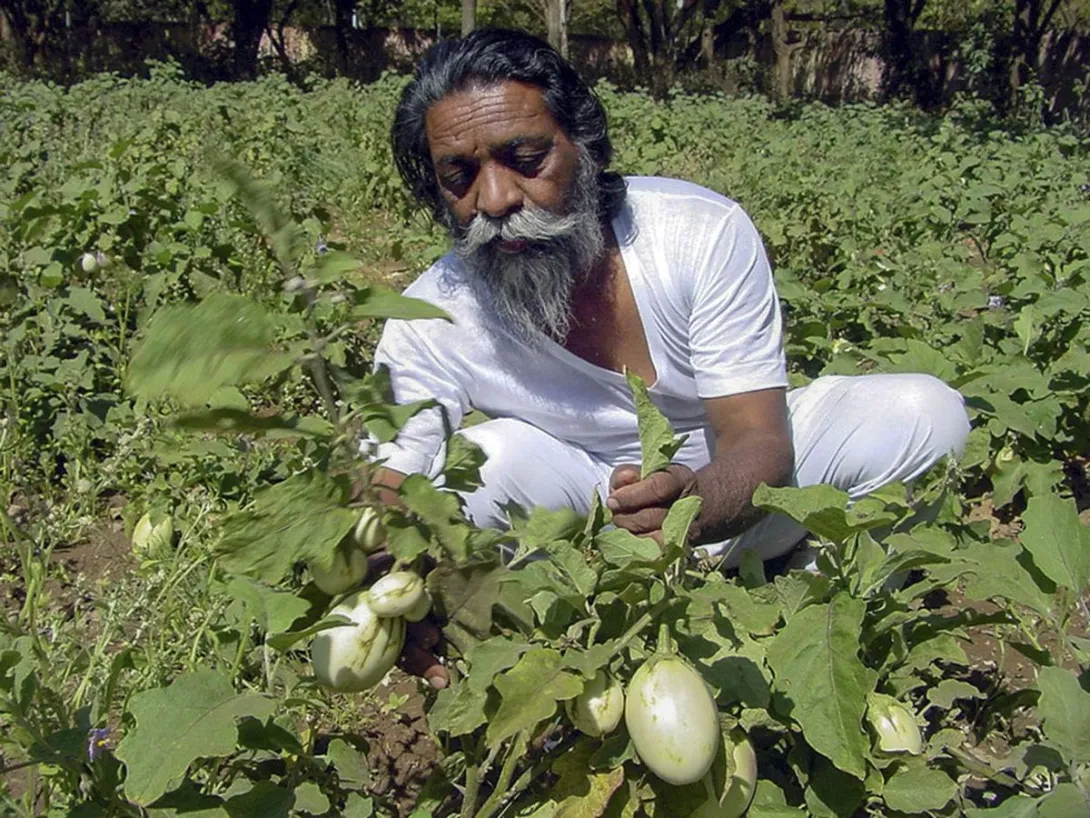
Shibu Soren’s journey from a grassroots social reformer to one of India’s most revered tribal political figures reflects a life dedicated to justice, dignity, and indigenous empowerment. Born in the heart of Jharkhand, Soren emerged as a relentless voice for tribal rights, fighting against land alienation, social exploitation, and marginalization. His rise from leading local uprisings to holding the office of Chief Minister and serving in the Union Cabinet underscores his pivotal role in shaping tribal consciousness and regional politics. His legacy continues to inspire new generations committed to equality and representation.
---
Early Life: Roots in Resistance
Born on January 11, 1944, in Nemra village of present-day Jharkhand, Shibu Soren's early life was marked by hardship and social inequity. A member of the Santhal tribe, Soren witnessed firsthand the exploitation faced by tribal communities—especially in the context of land rights and forest access. His father was reportedly killed for opposing illegal land grabs, a personal tragedy that shaped Soren’s lifelong commitment to indigenous resistance.
This formative experience propelled him toward activism at a young age, laying the foundation for a career that would bridge grassroots rebellion and institutional leadership.
---
The Birth of Jharkhand Movement and Jharkhand Mukti Morcha
In 1972, Soren co-founded the Jharkhand Mukti Morcha (JMM), a political movement born from decades of cultural assertion and socio-economic marginalization in the Chotanagpur and Santhal Parganas regions. Under his leadership, the JMM became a powerful force demanding a separate state for Jharkhand, championing the rights of the tribal population against exploitative mining practices and displacement.
Soren’s leadership redefined tribal identity in political terms. His ability to mobilize masses, articulate demands, and sustain a long-term vision helped solidify the movement's credibility on the national stage.
---
A Political Ascent Marked by Symbolism and Struggle
Shibu Soren’s political trajectory was not without controversy, but his significance in Indian politics remains undisputed. Elected multiple times to the Lok Sabha, he held key portfolios, including Minister for Coal in the Union Government. His appointment to the post carried deep symbolism: a tribal leader overseeing an industry often associated with the dispossession of his own people.
In 2005, Soren briefly served as Chief Minister of Jharkhand. Though his tenures were marked by political instability, his symbolic presence as the state’s first tribal head of government was a powerful milestone in the region’s political narrative.
---
Legacy of Empowerment and Cultural Revival
Beyond politics, Shibu Soren’s enduring influence lies in his role as a cultural custodian. He championed the Santhali language, tribal customs, and traditional governance structures while calling for their recognition within India's constitutional framework. His efforts led to greater policy focus on Scheduled Tribes, forest rights, and local self-governance.
Soren also pushed for the implementation of the Panchayats (Extension to the Scheduled Areas) Act (PESA) and Forest Rights Act, which aimed to restore autonomy and dignity to tribal communities across India.
---
Criticisms and Enduring Popularity
Despite his contributions, Soren's career has not been without blemish. He has faced legal challenges and criticisms over governance lapses. However, these have done little to erode his stature among his core constituency, who continue to revere him as “Guruji”—a mentor and guiding light.
His charisma, oratory, and unyielding advocacy for tribal rights have ensured his place as a living symbol of indigenous political assertion in India.
---
Conclusion: A Living Legacy of Resilience
Shibu Soren’s life mirrors the broader struggle of India’s tribal communities: resilient, often marginalized, yet unrelenting in their pursuit of justice. From the forests of Jharkhand to the halls of Parliament, he has traversed a path few have dared. His transformation from a local activist into a national figure is not just a personal story but a reflection of a larger social awakening.
Even as he steps back from the political frontlines, his legacy endures through his family, his followers, and the policies he helped shape. Shibu Soren remains an enduring testament to what relentless conviction and grassroots leadership can achieve.
Comments