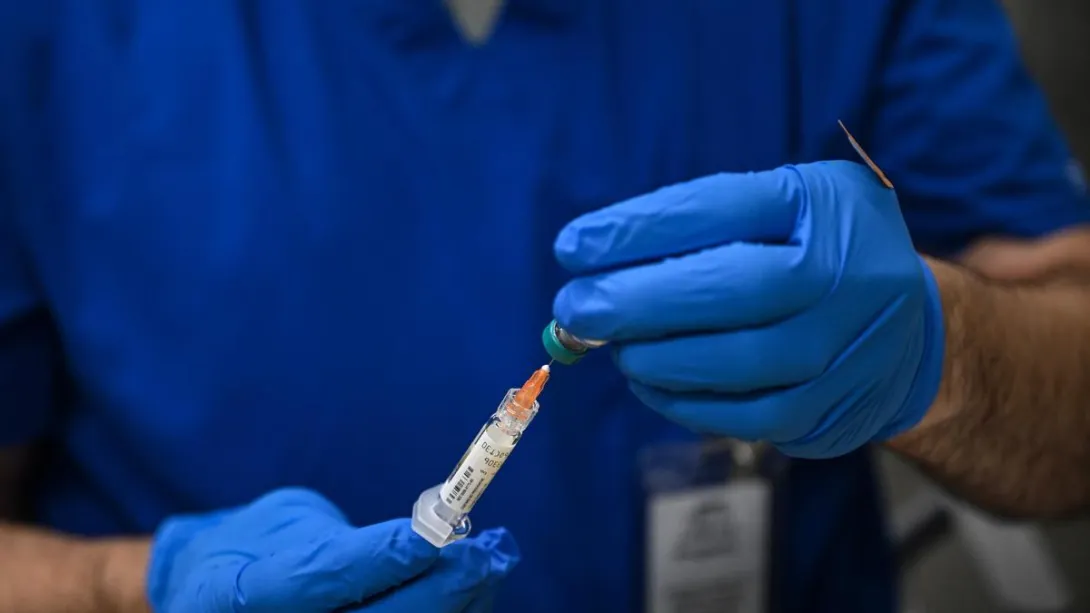
Shingles, medically known as herpes zoster, is a painful viral condition caused by the reactivation of the varicella-zoster virus, which also causes chickenpox. Typically affecting older adults and individuals with weakened immunity, shingles manifests as a distinctive rash accompanied by burning pain, fatigue, and neurological discomfort. Experts emphasize prevention through vaccination, healthy lifestyle choices, and prompt medical consultation at early signs. Public health authorities recommend increased awareness about triggers, risk factors, and the benefits of the shingles vaccine. Effective prevention strategies not only reduce the incidence of shingles but also mitigate complications, such as postherpetic neuralgia, which can significantly affect quality of life.
Understanding Shingles
Shingles occurs when dormant varicella-zoster virus in nerve tissue reactivates later in life, often due to aging, stress, or immunosuppression. Symptoms typically include a unilateral rash, tingling or burning sensation, fever, and fatigue. Early diagnosis is crucial to prevent complications, including postherpetic neuralgia—a chronic nerve pain that can persist after the rash resolves.
Medical professionals note that shingles is not only a dermatological concern but also a neurological one, affecting sensory nerves and occasionally leading to vision or hearing complications if left untreated.
Risk Factors and Vulnerable Populations
The likelihood of developing shingles increases with age, particularly in individuals above 50. People with weakened immune systems, chronic illnesses, or those undergoing immunosuppressive therapy are at higher risk. Stress, fatigue, and certain medications can further trigger virus reactivation.
Healthcare experts advise individuals in high-risk categories to remain vigilant, seek early medical attention for unusual skin lesions, and maintain overall immune health through nutrition, exercise, and stress management.
Prevention Strategies
Vaccination is the most effective preventive measure against shingles. Modern shingles vaccines, including recombinant zoster vaccines, significantly reduce the risk of infection and severe complications.
Additional preventive strategies include:
- Maintaining a balanced diet rich in vitamins and minerals to support immune function.
- Managing chronic illnesses and stress through lifestyle modifications.
- Prompt consultation with a healthcare provider upon noticing tingling or rash.
Public health campaigns are increasingly emphasizing the role of vaccination in protecting older adults and immunocompromised individuals from shingles.
Treatment and Early Intervention
While shingles cannot be cured, antiviral medications prescribed early can shorten the duration of symptoms and reduce the risk of complications. Pain management, topical treatments, and supportive care help alleviate discomfort.
Healthcare providers recommend that patients avoid scratching lesions to prevent secondary infections and consult immediately if symptoms worsen or involve sensitive areas, such as the eyes or face.
Public Health Implications
Raising awareness about shingles prevention is critical for reducing its prevalence and the economic burden associated with medical treatment and lost productivity. Vaccination campaigns, education about early warning signs, and promotion of healthy lifestyles contribute to mitigating the impact of this condition on individuals and communities.
Effective prevention strategies not only improve quality of life for older adults but also reduce strain on healthcare systems, highlighting the broader importance of proactive health management.
Outlook: Prioritizing Immunization and Awareness
Shingles prevention hinges on vaccination, early detection, and lifestyle interventions. As public understanding increases, more individuals are expected to adopt preventive measures, leading to lower incidence rates and reduced complications.
Healthcare experts stress that combining medical guidance with personal health vigilance is the most effective approach to mitigating the risks of shingles and maintaining long-term neurological and dermatological health.
Comments