Global aviation training leader Simaero has announced plans to set up a state-of-the-art flight simulator training centre in India by 2026, aiming to meet the surging demand for skilled pilots in one of the world’s fastest-growing aviation markets. The France-based company’s expansion reflects its long-term commitment to India’s aviation ecosystem, where passenger traffic and fleet expansion continue to accelerate. The proposed centre will feature cutting-edge Full Flight Simulators (FFS) certified to international standards, catering to both domestic and international airlines. The initiative is expected to strengthen India’s pilot training infrastructure and reduce dependence on overseas training facilities.
Simaero Expands Global Footprint to India
Simaero, a leading global provider of aviation training solutions, has announced its strategic decision to establish a pilot training centre in India by 2026. The move comes as the aviation industry witnesses an unprecedented resurgence, with India positioned as the third-largest civil aviation market in the world and poised for sustained long-term growth.
Headquartered in Paris, Simaero operates globally, offering simulator-based pilot training to airlines and aviation professionals across Europe, Africa, Asia, and South America. The company’s entry into India underscores its commitment to supporting the country’s rapidly expanding fleet and its growing need for qualified flight crew.
According to industry projections, India will require over 1,000 new commercial aircraft and more than 9,000 pilots by 2032 to meet market demand. By setting up a domestic facility, Simaero aims to localize world-class training infrastructure and reduce dependence on international training hubs such as Dubai, Singapore, and Europe.
Advanced Simulator Infrastructure
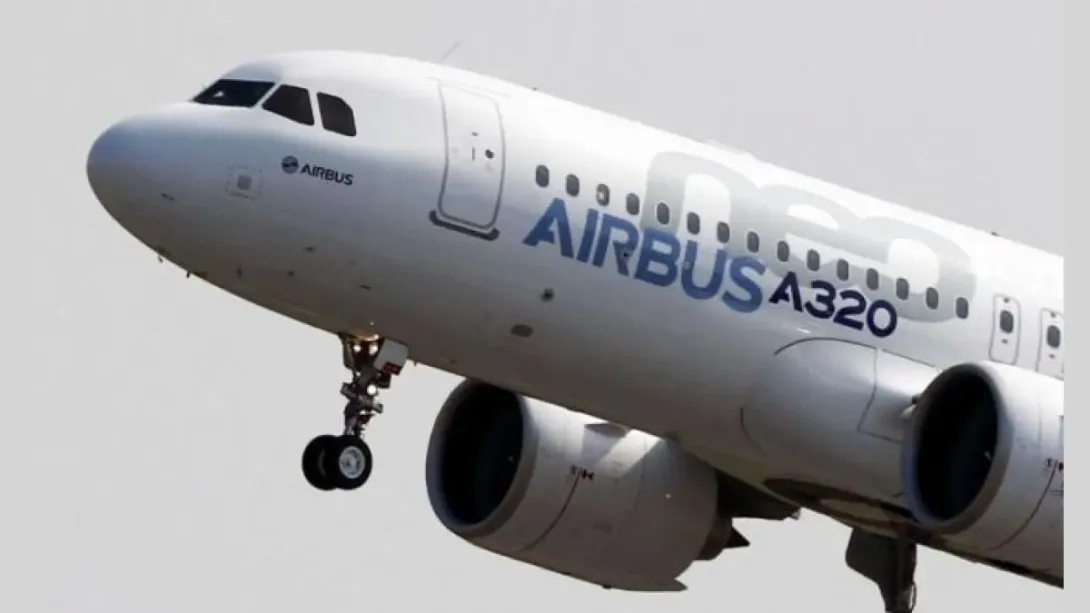
The upcoming Indian facility will feature Full Flight Simulators (FFS) for a range of aircraft types, including Airbus A320 and Boeing 737 families — the two most widely operated fleets in the country. These simulators will comply with DGCA and EASA certifications, ensuring adherence to global safety and training standards.
In addition to pilot training, Simaero plans to offer Type Rating, recurrent training, and instructor development programs, catering to airlines, aviation academies, and independent pilots. The facility will also integrate AI-driven training analytics to enhance learning outcomes and performance assessment.
Simaero’s CEO highlighted that the project aligns with the company’s vision of expanding in high-growth aviation markets. “India represents a cornerstone in the next phase of our global expansion. Our goal is to bring best-in-class simulator technology and training expertise closer to where demand is accelerating most,” the statement noted.
Boost to India’s Aviation Ecosystem
India’s aviation sector has been witnessing a strong rebound post-pandemic, driven by rising disposable incomes, infrastructure upgrades, and government initiatives under the UDAN regional connectivity scheme. With domestic airlines expanding their fleets and global carriers increasing India-bound operations, demand for certified pilots has surged sharply.
Currently, a significant proportion of Indian pilots receive their advanced simulator training abroad, incurring higher costs and logistical challenges. The establishment of Simaero’s Indian centre is expected to reduce training costs, increase capacity, and shorten waiting periods for both airlines and trainees.
Experts believe this development will also strengthen India’s position as a regional aviation training hub, potentially attracting trainees from neighbouring countries in South Asia and the Middle East.
Industry Outlook
Aviation analysts note that Simaero’s entry complements the government’s broader efforts to develop India’s aviation ecosystem through increased foreign investment and technology transfer. With pilot shortages emerging as a global challenge, localized training infrastructure is becoming a strategic necessity.
India’s Directorate General of Civil Aviation (DGCA) has been encouraging private players to invest in simulator-based training, emphasizing safety, standardization, and capacity enhancement. Simaero’s initiative fits well within this policy framework and could pave the way for further collaborations in the aviation education space.
Looking Ahead
Simaero’s upcoming facility is expected to be operational by 2026, marking a major milestone in India’s aviation training capabilities. The project not only reflects confidence in India’s growth trajectory but also reinforces the country’s role in shaping the future of global aviation.
As airlines continue to expand operations and recruit aggressively, Simaero’s investment promises to elevate training standards, strengthen safety culture, and equip the next generation of Indian pilots with globally recognized expertise — ensuring that India’s skies remain among the safest and most dynamic in the world.
Comments