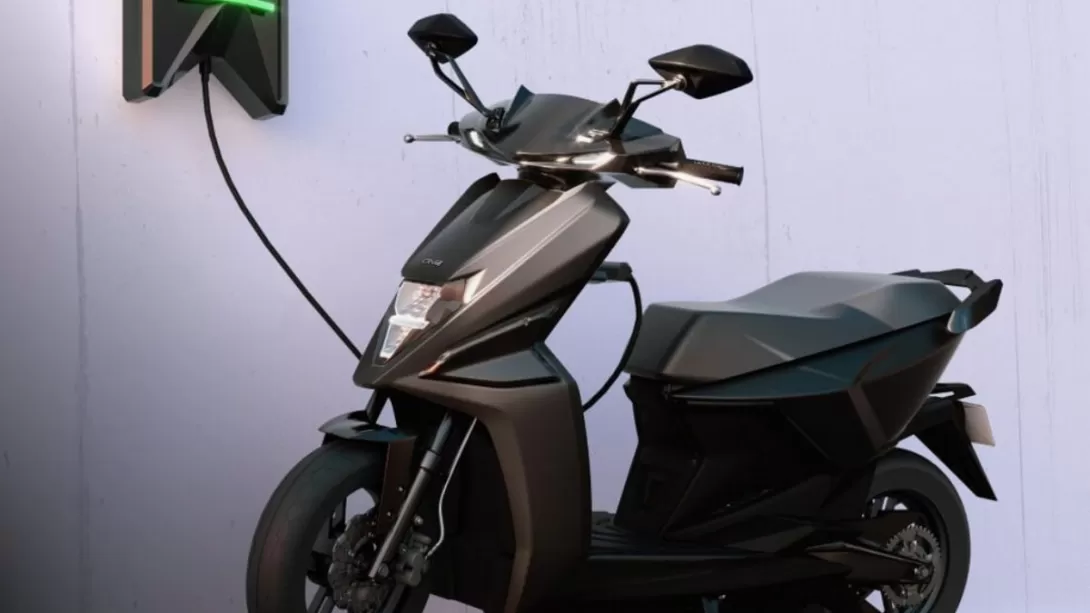
Simple Energy, a Bengaluru-based electric two-wheeler manufacturer, has announced its plans to raise Rs 3,000 crore through an Initial Public Offering (IPO) by FY27. The company aims to accelerate its market expansion, enhance manufacturing capabilities, and invest in research and development. With a goal of increasing its revenue and sales significantly over the next two years, Simple Energy is targeting key markets in India and plans to grow its sales volume substantially before going public. Founder and CEO Suhas Rajkumar outlines a robust strategy to position the company for success in the electric vehicle (EV) market.
IPO Plans and Strategic Growth Initiatives
Simple Energy is preparing for a significant leap towards public listing with plans to raise approximately Rs 3,000 crore by FY27 through its IPO. The company, which has been operating in the electric vehicle (EV) space for seven years, is aiming to leverage this funding to drive its expansion across multiple facets of its operations. The primary areas of investment will be network expansion, manufacturing capacity enhancement, and continuous research and development (R&D).
Founder and CEO, Suhas Rajkumar, highlighted that the decision to plan an IPO is closely tied to the company’s accelerated growth trajectory over the past year. By Q2 or Q3 of FY27, Simple Energy expects to secure funding that will enable it to scale operations significantly, positioning the company as a formidable player in the rapidly expanding electric vehicle market in India.
Expansion Plans: Scaling Operations for the Future
Simple Energy is setting ambitious goals for its growth over the next two years. The company plans to expand its network from the current 15 stores and service centers to a robust 500 touchpoints across the country. This expansion is part of a broader strategy to bolster its revenue base in anticipation of the IPO. Rajkumar outlined a revenue target of Rs 800 crore (USD 96 million) for FY26, with the company aiming to cross Rs 1,500 crore (USD 180 million) in cumulative revenue within the following 18 months.
To support its expansion and meet the growing demand for its products, Simple Energy is also focusing on scaling its manufacturing capacity. Currently, the company's Hosur facility in Tamil Nadu can produce up to 3 lakh units annually. However, to meet the projected surge in demand, the company plans to double this capacity post-listing, potentially by investing in new manufacturing locations.
Sales Projections and Market Focus
In terms of sales performance, Simple Energy is anticipating a substantial increase in units sold. The company expects to sell approximately 55,000 electric scooters in FY26, a significant jump from the 4,000 units sold in FY25. This aggressive sales target is fueled by a growing presence in key Indian states, including Karnataka, Maharashtra, Goa, Andhra Pradesh, Telangana, and Kerala. The company aims to achieve cumulative sales of 1 lakh electric vehicles before its IPO.
Rajkumar emphasized that the expansion strategy is not solely focused on increasing sales but also on creating a robust supply chain infrastructure and bolstering customer engagement through its expanded network of touchpoints.
A Vision for the Future of Electric Mobility
Simple Energy’s strategy is indicative of a broader trend in the electric vehicle sector, where companies are not only expanding their production capabilities but also focusing on creating a sustainable business model that integrates R&D, customer experience, and scalability. As the EV market in India grows, the company’s focus on expanding manufacturing capacity, sales networks, and revenue diversification will be key factors in its future success.
In the coming years, Simple Energy’s ability to execute its expansion plans, build on its existing infrastructure, and meet growing consumer demand will determine how effectively it can capitalize on the shifting landscape of electric mobility in India. The company’s vision to go public by FY27 will likely be a critical milestone as it seeks to establish itself as a dominant force in the industry.
Comments