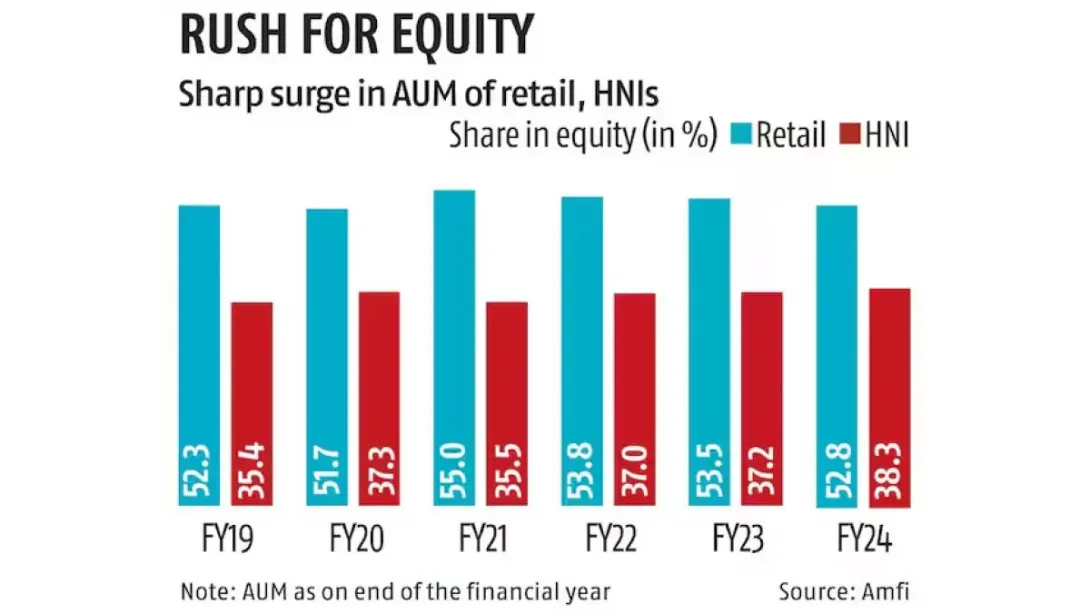
India’s mutual fund industry witnessed a robust surge in systematic investment plan (SIP) inflows during the June quarter, reflecting strong retail participation and growing investor confidence in long-term wealth creation through equities. This upswing in SIP contributions highlights a structural shift in savings behavior, with individuals increasingly favoring disciplined and automated investing over speculative short-term bets. Industry data for the quarter suggests that monthly SIP inflows have reached historic highs, reinforcing the sustained traction mutual funds have gained, particularly in Tier II and Tier III cities. The rise also points to the deepening financial literacy and trust in market-linked instruments.
Record-Breaking Quarter for SIP Inflows
The mutual fund industry clocked an all-time high in SIP inflows during the June quarter, setting a new benchmark for retail-driven equity participation. Monthly SIP contributions consistently crossed the Rs. 20,000 crore threshold, indicating a broad-based adoption of systematic investment among both new and seasoned investors. This growth comes amid persistent market volatility, underscoring investor maturity and a shift toward long-term wealth-building strategies.
Notably, the increase in SIPs was not limited to metro regions but also saw significant traction in smaller towns, reflecting the success of digital outreach and distributor networks in spreading awareness about mutual funds.
Retail Investors Anchor Market Momentum
The surge in SIP contributions reinforces the growing clout of retail investors in Indian capital markets. Unlike institutional flows, which tend to be cyclical, SIP investments are relatively stable and resilient to short-term market noise. This provides a cushion during periods of institutional sell-offs and adds a stabilizing effect to market sentiment.
Industry experts attribute this behavior to improved investor education, consistent returns from equity mutual funds over the past decade, and the convenience offered by monthly automation. Additionally, regulatory clarity and improved fund transparency have bolstered investor confidence.
Industry Implications and Fund House Strategies
Asset management companies (AMCs) have responded to this rising demand with product innovation, including target maturity funds, sectoral schemes, and thematic offerings tailored to specific investor goals. Fund houses are also enhancing digital onboarding processes and mobile-first platforms to cater to younger demographics entering the workforce.
SIP-driven inflows offer predictability in fund flows, allowing fund managers to allocate capital more effectively and build robust portfolios. This also reduces the pressure on AMCs to chase volatile lump-sum investments, enabling more sustainable fund performance over time.
Structural Trends Support Continued Growth
Several macro and demographic factors suggest that the SIP growth trajectory is likely to remain intact. India's rising middle class, growing urbanization, increasing smartphone penetration, and government-backed financial inclusion initiatives have all contributed to the rise in mutual fund adoption.
Moreover, with fixed-income instruments offering limited real returns due to inflation, equities remain an attractive option for long-term capital appreciation. SIPs, with their rupee-cost averaging advantage and low entry barriers, are well-positioned to continue capturing a larger share of household savings.
Conclusion
The June quarter’s record SIP inflows signal more than just statistical achievement—they reflect a maturing investor base, a resilient savings culture, and a growing preference for disciplined wealth creation through mutual funds. As India's financial ecosystem deepens, systematic investing is no longer just a trend—it is becoming a mainstay of personal finance strategy for millions. The sustained growth of SIPs will likely play a pivotal role in shaping the future of retail investing in the country.
Comments