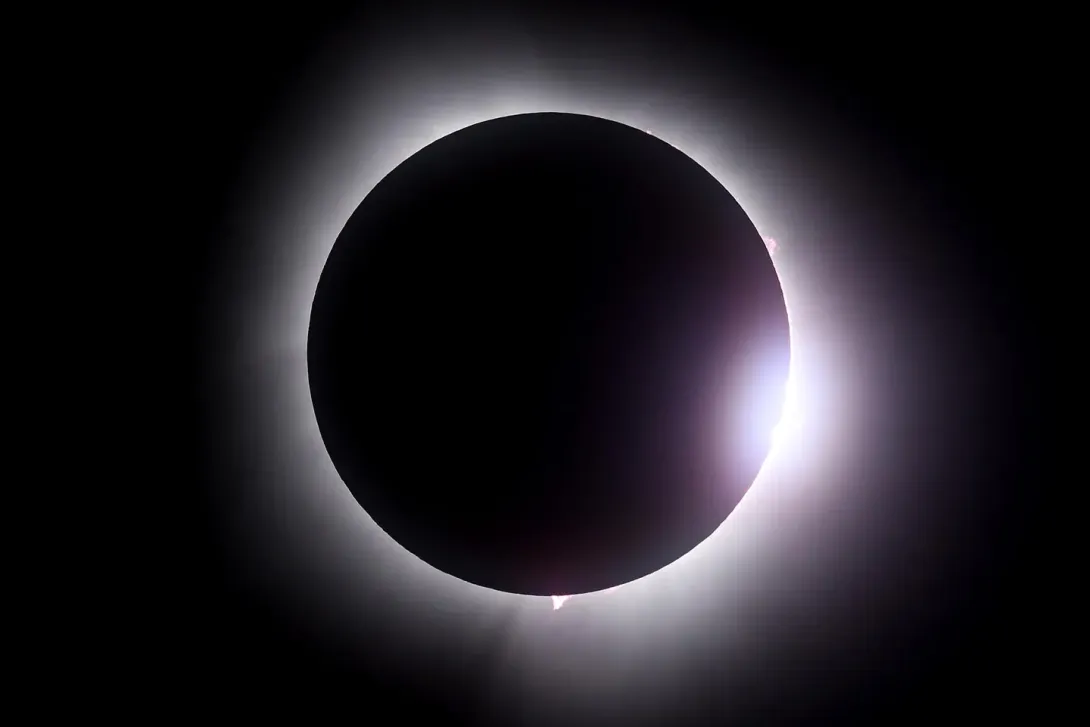
The year 2026 is shaping up to be an exceptional period for skywatchers, with a rich calendar of astronomical events set to captivate both amateur observers and seasoned astronomers. From striking solar and lunar eclipses to major meteor showers and rare planetary alignments, the coming year offers multiple opportunities for public engagement with the night sky. Scientists and space agencies note that such events not only inspire curiosity but also boost interest in science education and observational astronomy. With improved access to digital tools and community viewing events, 2026 is expected to see heightened global participation.
Major Eclipses Take Center Stage
One of the highlights of 2026 will be a series of eclipses visible across large parts of the world. A total solar eclipse, in particular, is expected to draw significant attention, with millions likely to travel to regions offering optimal viewing conditions. Lunar eclipses scheduled throughout the year will provide more accessible spectacles, visible without specialized equipment.
Astronomers emphasize that eclipses remain among the most effective ways to spark public interest in celestial science.
Meteor Showers and Night-Sky Favorites
Several well-known meteor showers are forecast to deliver strong displays in 2026. The Perseids and Geminids are expected to perform reliably, while lesser-known showers may surprise observers under dark-sky conditions. Experts advise enthusiasts to plan viewing sessions away from urban light pollution to maximize visibility.
These events continue to serve as entry points for first-time skywatchers, requiring little more than patience and clear skies.
Planetary Alignments and Rare Conjunctions
In addition to transient events, 2026 will feature notable planetary alignments, offering visually striking scenes of planets appearing close together in the night sky. Such conjunctions provide opportunities for both naked-eye viewing and astrophotography, especially during periods of favorable atmospheric conditions.
Space scientists note that these alignments also hold educational value, illustrating orbital mechanics in real time.
Growing Interest and Economic Impact
Beyond scientific appeal, skywatching has measurable economic implications. Tourism linked to eclipses and major celestial events often generates significant local revenue through travel, accommodation and organized viewing programs. In recent years, eclipse-driven tourism has injected several hundred crores of rupees into host regions.
With proper planning, 2026’s celestial calendar could deliver similar benefits.
A Year to Look Up
As anticipation builds, experts encourage the public to stay informed through observatories, space agencies and astronomy societies. In an era of rapid technological change, the enduring allure of the night sky remains a powerful reminder of humanity’s shared place in the universe.
Comments