India’s leading airline, IndiGo, is navigating through global economic headwinds with clarity and confidence. Despite concerns over tariff-driven disruptions and geopolitical uncertainties, the airline remains steadfast in its long-term growth ambitions. CEO Pieter Elbers has reaffirmed that global trade tensions will not deter the carrier’s expansion trajectory, which includes doubling its scale by 2030. With a robust domestic market, rising employment opportunities, and strategic infrastructure moves such as operations from the upcoming Navi Mumbai airport, IndiGo appears poised to consolidate its dominance in one of the world’s most competitive aviation markets.
Long-Term Vision Anchored in Resilience
In an era defined by volatility—be it tariff disputes, regulatory recalibrations, or fuel price shocks—IndiGo’s leadership is taking a pragmatic approach. CEO Pieter Elbers has made it clear: the airline’s expansion blueprint remains intact. IndiGo plans to double its size by the end of the decade, and short-term global developments are unlikely to derail this ambition.
This resilience stems from India’s vast and largely untapped domestic aviation market. With rising disposable incomes, a growing middle class, and increasing connectivity in tier-2 and tier-3 cities, IndiGo is banking on strong intrinsic demand to fuel its growth, even as the international environment remains unpredictable.
Domestic Market: The Real Runway for Growth
While international turbulence raises eyebrows, IndiGo’s confidence lies closer to home. India represents one of the fastest-growing aviation markets globally, with a massive under-penetrated segment. The airline continues to dominate the domestic skies, benefiting from a business model that emphasizes scale, cost-efficiency, and fleet optimization.
Elbers argues that global events might create temporary fluctuations, but they do not alter the fundamental trajectory of growth. His perspective is grounded in economic realism: India, as a major global economy, cannot remain untouched by international developments—but it can certainly chart its own course through internal demand and structural reforms.
Market Consolidation: A New Duopoly Era
India’s aviation sector has quietly entered a new phase—a duopoly between IndiGo and the Tata Group-owned airlines (including Air India and Vistara). Elbers views this consolidation not as a threat, but as a necessity for global competitiveness. He notes that similar structural realignments have taken place in other aviation markets, leading to more robust players capable of holding their own internationally.
From a business standpoint, consolidation can yield better economies of scale, more rational pricing strategies, and improved operational efficiencies. For IndiGo, it means having a clear understanding of the competitive field and the ability to allocate capital and capacity more strategically.
Infrastructure Expansion: The Navi Mumbai Opportunity
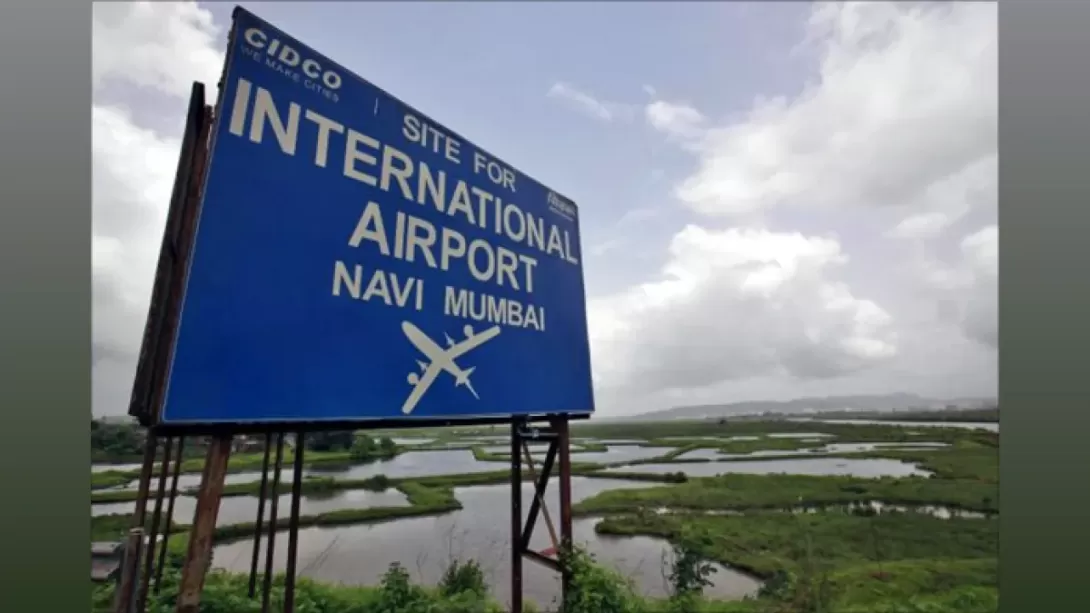
One of IndiGo’s most forward-looking bets lies in leveraging India’s expanding aviation infrastructure. The soon-to-open Navi Mumbai International Airport is expected to become a crucial hub, especially for passengers commuting from Pune and peripheral regions around Mumbai. Elbers confirmed that IndiGo will begin operations from the new facility while continuing its strong presence at the existing Mumbai airport.
This dual-operation strategy underlines IndiGo’s commitment to flexibility and scalability. With traffic volumes increasing across metro regions, optimizing routes and reducing congestion through additional airport facilities will be critical to maintaining punctuality and service quality.
Employment and MRO Capabilities: Untapped Potential
IndiGo’s current workforce stands at over 60,000 employees, reflecting its massive footprint in India’s aviation ecosystem. However, Elbers sees even greater potential in the maintenance, repair, and overhaul (MRO) sector. Currently, a substantial portion of IndiGo’s fleet maintenance is outsourced overseas—a situation the CEO deems suboptimal, especially given India’s capacity to develop its own MRO infrastructure.
Bringing these operations home could create jobs, reduce turnaround times, and cut foreign exchange outflows. It’s an area that not only benefits IndiGo but also offers macroeconomic advantages, strengthening India’s aviation ecosystem at large.
Fare Regulation and Market Forces
On the contentious issue of domestic fare regulation, Elbers has taken a firm stand in favor of market-driven pricing. He acknowledges that ticket prices may spike during peak seasons or major events like the Kumbh Mela, but insists that such occurrences are exceptions rather than the rule.
India remains one of the most cost-competitive aviation markets globally, and fare capping could distort the delicate balance airlines strike between profitability and accessibility. According to Elbers, allowing supply and demand to dictate pricing not only ensures sustainability for airlines but also encourages investment and innovation.
Stock Market Snapshot: Steady Altitude Amid Headwinds
IndiGo’s parent company, InterGlobe Aviation Ltd., has demonstrated relative resilience in the stock market despite external pressures. While global aviation stocks have experienced fluctuations due to rising oil prices, inflation concerns, and geopolitical instability, IndiGo has maintained investor confidence, supported by strong domestic performance and forward-looking strategies.
Analysts remain cautiously optimistic. The airline’s robust load factors, efficient fleet management, and clear communication of growth plans have kept its stock trading at a premium compared to peers. However, investor focus will remain on upcoming quarterly results and updates on fleet expansion, new route openings, and regulatory shifts.
Conclusion: Weathering the Storm, Preparing for Ascent
In a business landscape shaped by uncertainty, IndiGo offers a rare blend of realism and ambition. Its leadership understands the challenges posed by global developments but chooses to focus on sustainable domestic growth, competitive differentiation, and strategic infrastructure investment.
With clear plans for fleet expansion, network growth, and increased localization of operations, IndiGo is not merely surviving turbulence—it’s preparing to soar. If executed with discipline, its roadmap could redefine aviation in India and establish the carrier as a dominant force in the global aviation industry.
Comments