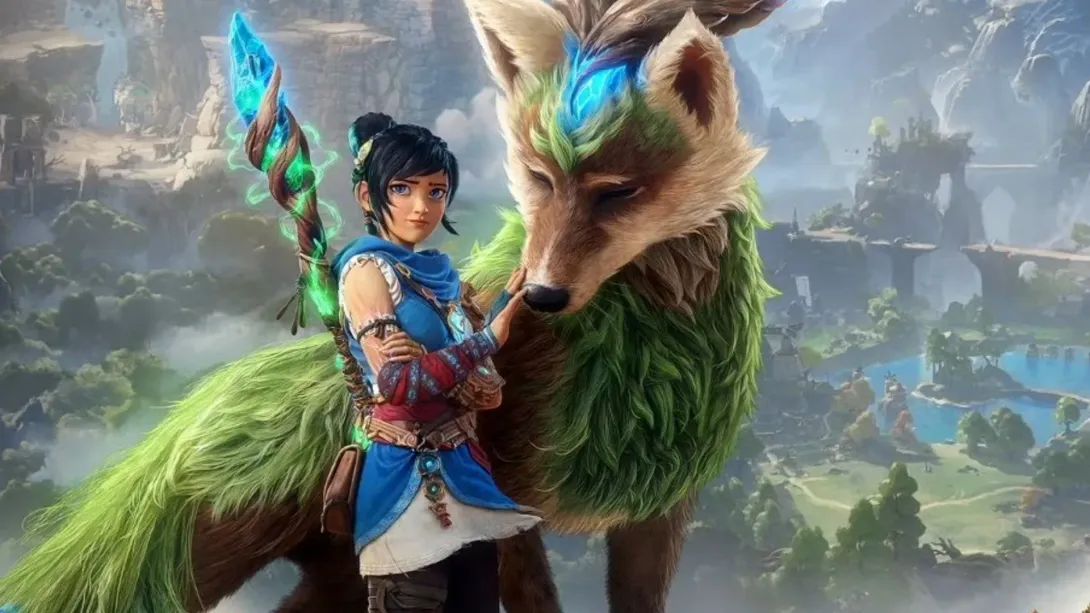
Sony used its latest State of Play broadcast to unveil new titles, gameplay footage and strategic updates for the PlayStation ecosystem, underscoring its continued emphasis on exclusive content and immersive gaming experiences. The digital showcase highlighted upcoming releases, partnerships with third-party studios and enhancements tailored for next-generation hardware. Industry observers interpret the event as a calculated move to maintain competitive momentum amid intensifying rivalry in the global console market. As hardware sales mature, content depth and release cadence are increasingly central to revenue growth, subscription retention and long-term platform loyalty within Sony’s gaming division.
Strategic Showcase for the PlayStation Ecosystem
Sony leveraged its latest State of Play presentation to reaffirm its commitment to high-quality gaming experiences across the PlayStation 5 platform. The event served as a curated digital stage for announcing new projects, revealing gameplay mechanics and offering development updates from both first-party and partner studios.
State of Play has evolved into a critical communication tool, enabling Sony to directly engage with its global gaming community while controlling narrative timing in a competitive industry.
Content Pipeline and Exclusive Strategy
The showcase placed strong emphasis on exclusive titles and console-optimized experiences. Analysts note that platform exclusivity remains one of Sony’s most powerful competitive levers, particularly as subscription-based ecosystems gain prominence.
By highlighting story-driven adventures, action titles and visually ambitious projects, Sony reinforced its long-standing positioning as a curator of cinematic gaming. Such content not only drives hardware sales but also strengthens engagement metrics within digital storefronts and subscription services.
Competitive Landscape in the Console Market
The global gaming industry has witnessed intensified competition as major players invest heavily in studio acquisitions, cloud capabilities and subscription models. Sony’s approach, however, continues to prioritize premium content differentiation over aggressive ecosystem bundling.
Market experts argue that the State of Play event reflects confidence in a content-first strategy. Rather than pivoting entirely toward cloud-only models, Sony appears committed to hybrid engagement—balancing physical console ownership with digital services.
Financial Implications and Revenue Streams
Gaming remains one of Sony’s most significant revenue contributors. The PlayStation division generates income through hardware sales, digital downloads, subscription memberships and in-game transactions.
High-profile announcements during State of Play can materially influence pre-orders and investor sentiment. A robust release calendar supports recurring revenue visibility, particularly in an environment where development budgets frequently exceed Rs 1,000 crore for marquee titles.
The ability to sustain a consistent pipeline is therefore central to long-term profitability.
Community Engagement and Brand Loyalty
State of Play also functions as a brand-building exercise. Transparent development updates foster trust within the gaming community, while surprise announcements generate social media traction and organic marketing momentum.
Industry analysts emphasize that emotional engagement with intellectual property often translates into durable consumer loyalty—an intangible asset in a rapidly evolving entertainment landscape.
Conclusion
Sony’s latest State of Play announcement underscores its strategic reliance on exclusive content, technological refinement and audience engagement. In a market shaped by subscription models and cloud innovation, the company continues to anchor its competitive identity in premium, story-driven gaming experiences.
Comments