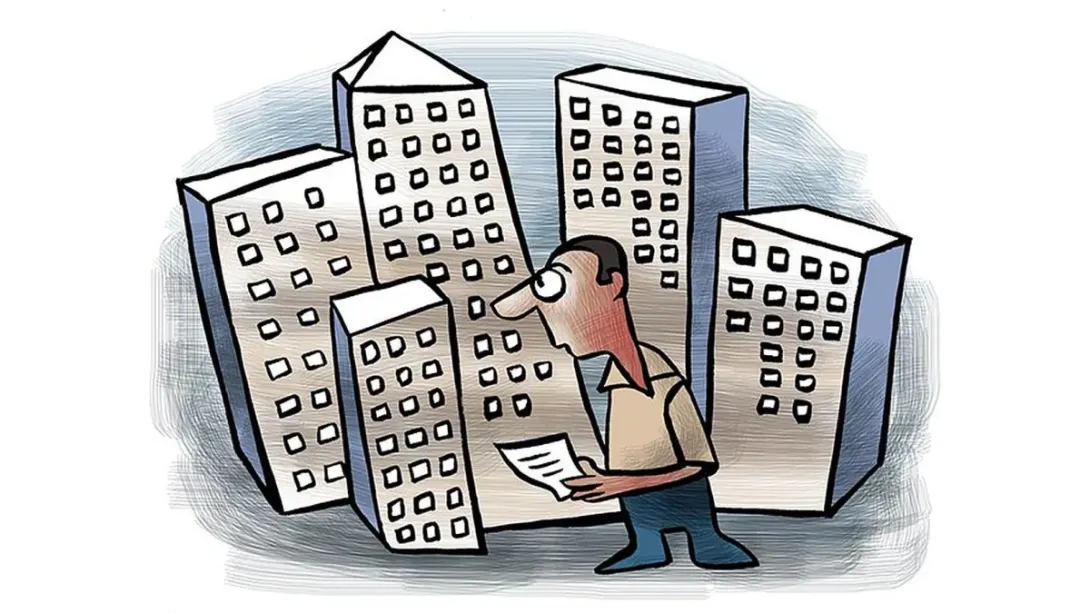
Residential property markets in Hyderabad, Bengaluru, and Chennai are witnessing a significant uptick in sales, signaling renewed confidence among homebuyers and investors. Driven by favorable interest rates, improved developer incentives, and rising end-user demand, the southern metro real estate markets are outperforming national averages. Analysts note that both affordable and mid-segment housing have registered robust absorption, reflecting underlying urban migration trends and employment growth in IT, manufacturing, and services sectors. This rebound points to a structural recovery in India’s housing sector, with implications for pricing, inventory turnover, and investor strategies in the medium term.
Market Dynamics and Growth Drivers
Hyderabad, Bengaluru, and Chennai have experienced a surge in housing transactions, with sales volumes rising between 15% to 20% year-on-year across key micro-markets. The momentum is largely attributed to lower home loan interest rates, flexible financing options, and a wave of festive-season offers by developers seeking to clear inventory.
IT and manufacturing hubs, particularly in Whitefield and Sarjapur (Bengaluru), Gachibowli and Hitech City (Hyderabad), and OMR and GST Road (Chennai), have emerged as preferred investment corridors. Analysts emphasize that consistent employment growth and urbanization trends are underpinning sustained demand, particularly among first-time buyers and end-users seeking proximity to workplaces.
Segment-Wise Sales Trends
Affordable housing, defined as properties priced below Rs. 45 lakh, continues to dominate demand, accounting for nearly 60% of new sales. Mid-segment properties (Rs. 45 lakh to Rs. 1.2 crore) are also witnessing strong traction, with buyers attracted to ready-to-move-in projects and premium amenities.
Luxury housing, though a smaller proportion of the market, is seeing selective growth due to expatriates and high-net-worth individuals investing in city-centric and gated-community developments. Developers report that premium projects in Bengaluru’s north and south corridors and Chennai’s prime neighborhoods are closing deals faster than anticipated, buoyed by liquidity support from both institutional and retail investors.
Price Movements and Inventory Insights
Despite the uptick in sales, residential prices in these metros have remained relatively stable, reflecting a cautious recovery. Hyderabad has seen 1–3% price appreciation, while Bengaluru and Chennai recorded 2–4% growth in Q3, primarily in mid-segment localities.
Inventory levels are gradually normalizing as absorption improves, with unsold stock for under-construction projects declining from 24 months to approximately 18 months in Hyderabad, and similar trends observed in Bengaluru and Chennai. Developers indicate that efficient project execution and faster approvals are helping reduce carrying costs and improving cash flow, reinforcing investor confidence.
Policy and Financing Support
Government interventions and policy measures have contributed significantly to the recovery. The Pradhan Mantri Awas Yojana (PMAY), along with state-level housing schemes, has incentivized affordable home purchases. Banks and non-banking financial companies (NBFCs) are offering competitive home loan rates in the 7–7.5% range, with longer tenure options to boost affordability.
Developers are increasingly offering discounts, flexible payment plans, and stamp-duty waivers, which have further encouraged buyers, particularly in the post-pandemic economic context. Analysts suggest that continued fiscal support and monetary easing will sustain sales momentum in the next two quarters.
Investor Sentiment and Market Outlook
Investor confidence in southern metro real estate remains robust, with institutional investors focusing on mid-segment residential and rental-yield properties. The strong absorption rates have reduced vacancy levels, improving returns on rental and resale investments.
Experts anticipate that this positive trend will persist through FY26, driven by ongoing urban migration, robust IT/ITeS employment growth, and emerging business hubs. They caution, however, that rising construction costs and potential interest rate adjustments could temper margins for developers and buyers alike.
Challenges and Structural Considerations
While the rebound is encouraging, developers face challenges such as land acquisition bottlenecks, rising labor costs, and regulatory compliance hurdles. In addition, traffic congestion, infrastructure deficits, and limited public transport connectivity in certain micro-markets could affect demand in peripheral localities.
Sustainable growth, analysts argue, will require coordinated urban planning, timely infrastructure development, and clear regulatory policies that facilitate ease of project approvals and protect end-user interests.
Conclusion
The resurgence of housing sales in Hyderabad, Bengaluru, and Chennai reflects a broader recovery in India’s urban real estate market, underpinned by favorable financing, end-user demand, and developer incentives. While challenges remain, the upward momentum in sales volumes and absorption rates signals structural resilience in these southern metros. For buyers and investors, these trends highlight opportunities for long-term wealth creation, particularly in affordable and mid-segment residential segments.
The trajectory suggests that with policy support and sustainable urban planning, the southern real estate markets are poised to remain among India’s most dynamic and profitable housing ecosystems.
Comments