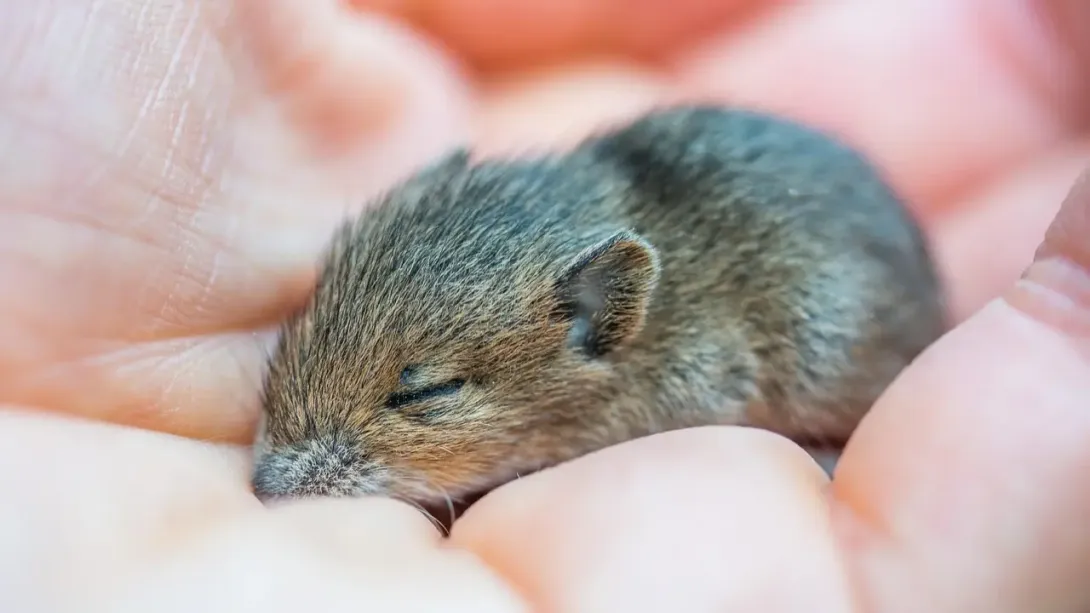
A mouse that previously traveled to space has successfully given birth to nine healthy pups after returning to Earth, marking a notable development in space-life sciences. The event offers fresh evidence that mammalian reproductive systems can remain functional after exposure to microgravity and cosmic radiation. Scientists say the outcome strengthens confidence in long-duration space missions and future human habitation beyond Earth. While spaceflight is known to impose physiological stress, the successful birth highlights biological resilience and the growing sophistication of space research programs. The development is expected to inform future experiments on reproduction, genetics and health in extraterrestrial environments.
A Milestone in Space Biology Research
The birth of nine pups from a space-traveled mouse represents a significant achievement in experimental biology. Researchers have long questioned whether exposure to space conditions could impair fertility or cause genetic abnormalities. This outcome suggests that, at least in controlled conditions, mammals can retain reproductive viability after orbital missions.
Scientists emphasized that the pups showed no immediate abnormalities, an encouraging sign for further long-term studies.
Why Mice Matter in Space Research
Mice are widely used in space experiments because of their genetic similarity to humans and their rapid reproductive cycles. Data gathered from rodent studies often serve as a foundation for understanding how the human body might respond to prolonged space exposure.
Findings from this case will contribute to a growing body of evidence on how microgravity affects reproductive organs, hormones and embryonic development.
Implications for Long-Duration Missions
As space agencies plan extended missions to the Moon and Mars, understanding reproduction and generational health in space has become a strategic priority. While human reproduction in space remains theoretical, animal studies provide essential early insights.
Experts say the successful birth supports the view that biological continuity beyond Earth may be achievable with sufficient safeguards.
Scientific Caution and Next Steps
Researchers cautioned that one successful outcome does not eliminate broader risks. Long-term monitoring of the offspring will be critical to assess developmental health, fertility and potential genetic changes.
Further experiments are expected to examine multigenerational effects and compare space-exposed subjects with Earth-based controls.
A Signal of Growing Capability
The event underscores the expanding sophistication of space research programs and their ability to study complex life processes beyond Earth. As scientific inquiry moves from survival to sustainability in space, such breakthroughs offer valuable reassurance.
For the global scientific community, the birth of these nine pups is less a curiosity and more a signal that life science research in orbit is entering a new and consequential phase.
Comments