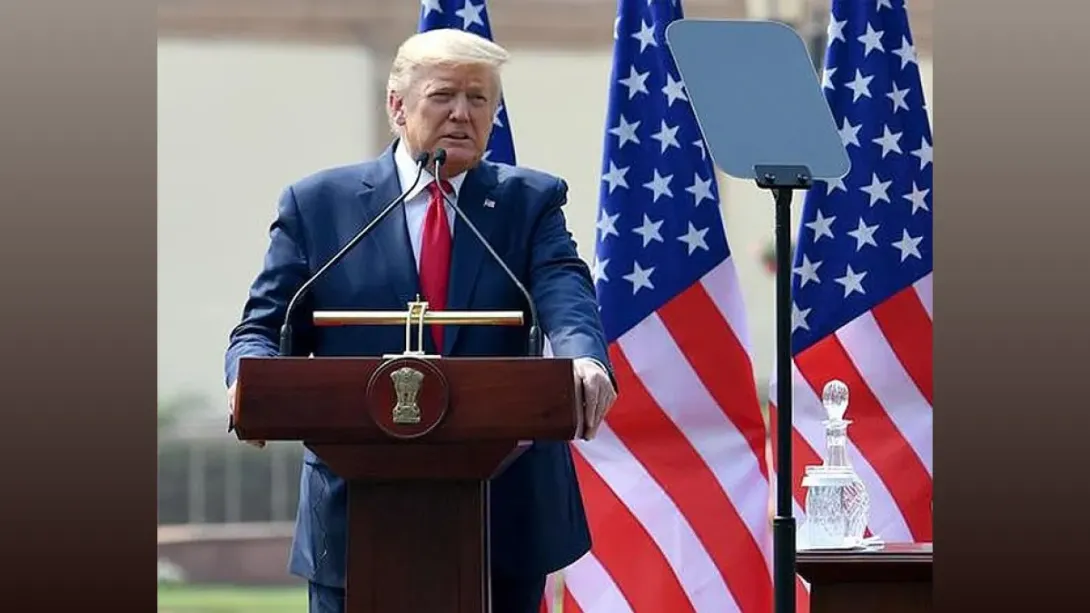
Former U.S. President Donald Trump expressed deep dissatisfaction over prolonged trade negotiations with India, reflecting a recurring struggle to align economic priorities between the world’s largest democracies. Despite shared strategic interests, talks during Trump’s tenure were often stalled by disagreements over tariffs, market access, and regulatory barriers. This friction spotlighted a broader mismatch in expectations: Washington's pursuit of immediate concessions versus New Delhi’s focus on long-term policy autonomy. Trump’s frustration underscores the complexity of U.S.-India trade relations and raises questions about how future administrations can balance strategic partnerships with domestic economic imperatives.
Trade Diplomacy Hits a Wall
During Donald Trump's presidency, U.S.-India trade relations found themselves repeatedly stymied by conflicting priorities. While both nations publicly championed closer ties, behind closed doors, negotiations over a limited trade deal remained inconclusive. Trump's desire for a swift and substantial agreement clashed with India's more cautious, incremental approach, leading to visible irritation within the U.S. administration.
The Trump White House sought broad market access in sectors like agriculture, dairy, and medical devices, along with reduced tariffs on iconic American products such as Harley-Davidson motorcycles and high-end technology. India, on the other hand, remained resistant, citing protection of domestic industries and a broader strategy of economic self-reliance.
Tariffs and the GSP Withdrawal
A central flashpoint was the U.S. decision to revoke India’s preferential trade status under the Generalized System of Preferences (GSP) in 2019, affecting nearly Rs. 41,500 crore worth of Indian exports. Washington cited lack of “equitable and reasonable access” to Indian markets as the reason. India retaliated by imposing higher tariffs on 28 U.S. goods, including almonds, apples, and walnuts.
While the Indian government emphasized that it remained committed to resolving differences through dialogue, Trump repeatedly signaled impatience, both privately and in public statements. The stalled negotiations became emblematic of his broader “America First” trade strategy, which often prioritized bilateral wins over multilateral consensus.
Wider Implications for Strategic Ties
Trade differences between the two countries did not occur in isolation. They overlapped with broader geopolitical dynamics, including shared concerns over China’s rise. U.S.-India cooperation in defense, counterterrorism, and technology continued to grow during Trump's presidency, even as trade friction remained unresolved.
This paradox—strategic alignment but commercial discord—raised alarms among policy analysts. Many argued that without a more nuanced and accommodating trade strategy, Washington risked undercutting its broader Indo-Pacific goals. Trump’s evident frustration, while politically expedient domestically, threatened to complicate long-term diplomatic relations with a key partner.
Outlook: Learning from the Impasse
Trump’s tenure offers critical lessons for both nations. For the U.S., a rigid insistence on immediate gains may hinder sustainable partnerships in emerging markets like India, where economic policymaking often balances global integration with domestic development goals. For India, a more agile and transparent trade framework could enhance its credibility on the world stage, especially as it seeks to attract investment and technology from global powerhouses.
As leadership changes and new administrations take charge in both capitals, there is room for a reset. But success will depend on a shared willingness to compromise, respect domestic political constraints, and align economic diplomacy with long-term strategic imperatives.
Conclusion
The Trump-era trade tensions between the U.S. and India were not merely a clash of tariffs but a reflection of deeper systemic divergence. While strategic cooperation remains robust, trade relations continue to demand careful, calibrated diplomacy. Whether future leaders will bridge the gap or fall into familiar patterns remains an open—and vital—question for global geopolitics and economic stability.
Comments