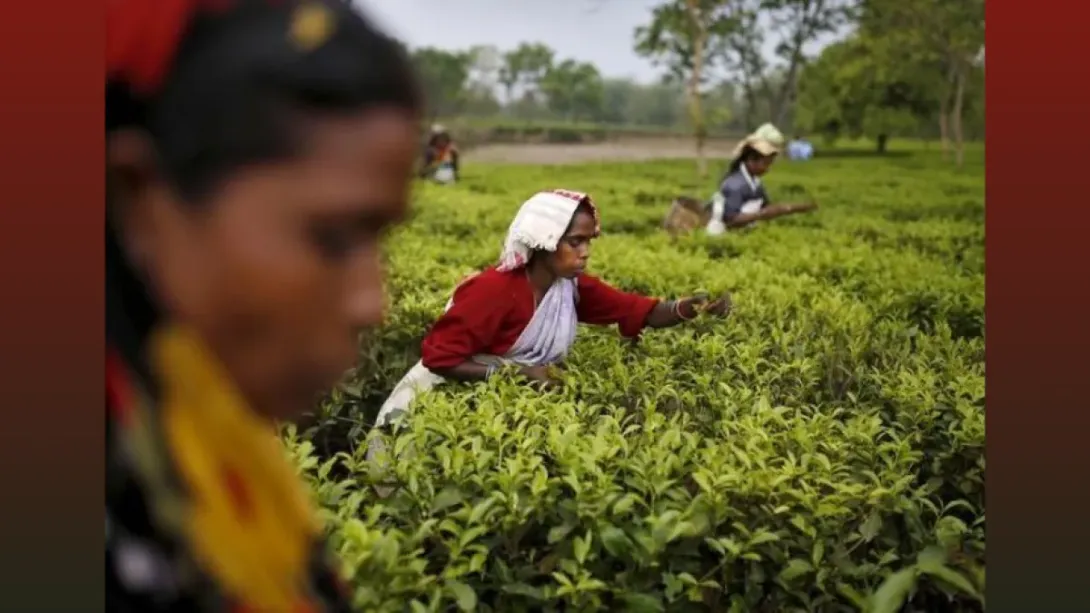
India’s tea industry, long considered the pride of its agricultural exports, is facing a mounting crisis. A sharp fall in production, coupled with weakening auction prices, is placing intense financial strain on growers and estate owners. The industry’s troubles are compounded by rising input costs, stagnant demand, and adverse weather patterns across major producing regions such as Assam and West Bengal. With production down by millions of kilograms and average auction prices failing to cover basic costs, stakeholders are urgently calling for policy intervention and structural reforms to avert a prolonged downturn in one of India’s most labor-intensive rural industries.
---
Production Slumps Amid Erratic Weather Conditions
India’s tea output has declined substantially in recent months, with data indicating a drop of approximately 15 million kilograms between January and May 2024 compared to the same period last year. The fall is most pronounced in Assam and North Bengal, where erratic rainfall, temperature anomalies, and declining soil fertility have all contributed to weaker harvests.
These climatic shifts have disrupted not only the quantity but also the quality of tea leaves, further depressing earnings for producers. With the monsoon pattern increasingly unpredictable, estate managers are struggling to plan ahead or invest in yield-improving technologies with any confidence.
---
Prices Fail to Keep Pace With Rising Costs
Even as production has declined, auction prices have not provided the cushion the industry hoped for. Between January and May 2024, the average tea price at auctions dropped to Rs. 183.36 per kilogram, down from Rs. 186.70 during the same window last year. This decline, though seemingly modest, is significant when viewed against the backdrop of soaring input costs.
Labor—comprising over 60% of operational expenses in tea estates—has become increasingly expensive. Meanwhile, prices for fertilizers, fuel, and transport have also spiked due to inflationary pressures. As a result, many small tea growers and mid-sized plantations are operating below break-even, forcing some to consider scaling back production or exiting the market altogether.
---
Structural and Market Challenges Persist
The problems confronting India’s tea industry are not merely cyclical—they are structural. A persistent oversupply in global markets, subdued export demand, and lack of product diversification have left Indian producers vulnerable to price shocks. Competition from countries like Kenya and Sri Lanka, which offer lower-cost alternatives, is also eroding India’s traditional market share.
Moreover, the domestic market remains largely undifferentiated, with limited uptake of premium or specialty teas. This lack of value addition has stifled margins, especially when compared to countries that have successfully branded and marketed their teas globally.
---
Calls for Intervention and Reform
Industry leaders and associations are now urging both state and central governments to intervene. Key demands include minimum support price mechanisms, subsidies for replantation and irrigation infrastructure, and incentives for value-added production.
Without timely support, the tea sector—one of the largest rural employers in the northeast—risks a domino effect of economic distress. Already, thousands of workers in tea gardens face income insecurity due to fewer workdays and delayed wage payments, adding to social and economic tensions in the region.
---
The Road Ahead
The Indian tea industry, historically a symbol of colonial legacy and modern rural enterprise, is at a critical juncture. While short-term measures like price stabilization and relief packages may offer temporary relief, what the sector truly needs is a structural overhaul.
Investment in climate-resilient practices, modernization of auction systems, promotion of organic and specialty teas, and development of new export markets are essential if Indian tea is to reclaim its competitive edge. Failure to act decisively could see one of the country's most iconic industries fade into long-term decline.
Comments