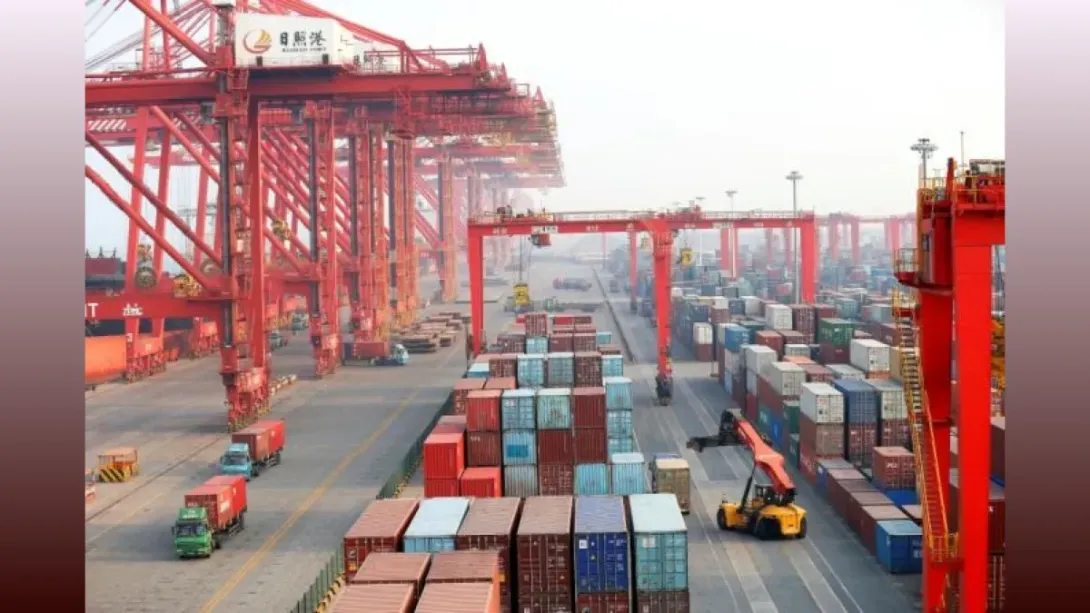
A recent study has highlighted the far-reaching effects of U.S. trade tariffs on India’s economy, emphasizing the dual burden on Indian exporters and American low-income consumers. The report suggests that elevated tariffs imposed by the United States have disproportionately affected Indian export sectors, including textiles, chemicals, and steel. Additionally, the analysis underscores that these tariffs raise consumer prices in the U.S., ultimately hurting economically vulnerable households. The findings come amid ongoing global trade tensions, reinforcing the need for calibrated policy responses and stronger multilateral engagement to safeguard India’s economic interests in international markets.
Indian Exporters Bear the Brunt of U.S. Tariff Barriers
The imposition of protectionist tariffs by the United States—particularly during the last decade—has eroded the competitiveness of Indian exporters in key markets. Sectors such as garments, specialty chemicals, engineering goods, and pharmaceuticals have faced intensified pressure due to higher costs of market access and thinner profit margins.
The study underscores how these trade barriers undermine India's comparative advantage in labor-intensive manufacturing. Exporters are often forced to absorb cost increases or risk losing market share, thereby dampening India's broader export-led growth strategy.
In recent years, micro, small, and medium enterprises (MSMEs) have faced acute challenges, given their limited capacity to diversify markets or hedge against rising costs. For many, the ripple effect of tariffs has been a contraction in order volumes, delays in payments, and greater uncertainty in supply chains.
American Consumers, Particularly the Poor, Also Feel the Squeeze
The study also sheds light on how U.S. tariffs on imported goods—especially those from lower-cost manufacturing hubs like India—translate into higher retail prices for American consumers. Lower-income households, which spend a higher proportion of their earnings on basic goods, are disproportionately impacted.
Products like apparel, footwear, household items, and generic medicines—sectors where Indian firms are key suppliers—have all seen marginal price increases in the U.S. market due to import tariffs. For price-sensitive consumers, especially those on fixed incomes, this equates to a tangible erosion of purchasing power.
The data indicate that these tariffs function as an indirect tax on consumption, with regressive consequences for household budgets. This unintended impact contrasts sharply with the intended goal of protecting domestic industries.
Policy Implications and Strategic Trade Responses
The findings call for a recalibration of India’s export strategy in the face of rising global protectionism. While diversification of export destinations remains crucial, the report stresses the importance of bilateral and multilateral negotiations to address tariff barriers through diplomatic channels.
India may also need to consider trade facilitation measures that enhance product standards, reduce compliance costs, and improve logistics efficiency to remain competitive despite tariffs.
Moreover, there is an emerging case for targeted support to MSMEs that are disproportionately affected by adverse trade policies abroad. Policy tools such as interest subvention, export insurance, and market linkage support could cushion these firms against global shocks.
Strengthening Multilateralism in an Uncertain Trade Order
With the multilateral trade framework facing headwinds from unilateral tariff actions and geopolitical frictions, the study argues for India to take a more active role in forums such as the World Trade Organization (WTO) and G20 to advocate for transparent, rules-based trade.
India's long-term growth prospects are closely tied to its integration with the global economy. As such, the country must navigate trade disputes with strategic foresight, leveraging diplomacy and economic alliances to preserve its export momentum and macroeconomic stability.
Conclusion
The study offers a sobering view of the cascading effects of U.S. tariffs—both on Indian producers and American consumers. While India continues to rise as a global manufacturing hub, overcoming external trade barriers remains a pressing policy priority. Balancing global competitiveness with economic resilience will be key to charting a stable path forward in an increasingly protectionist world.
Comments