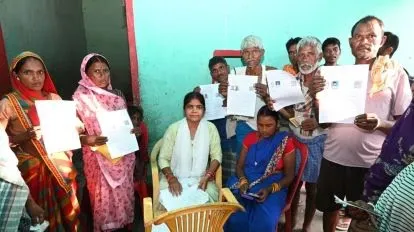
In a pivotal development for India’s electoral processes, the Supreme Court has advised the Election Commission to explore leveraging Aadhaar, voter ID, and ration card databases during the revision of Bihar’s electoral rolls. This suggestion stems from concerns over widespread duplication and the integrity of the voter lists. The court’s observations underscore the need for a more robust, technology-driven approach to voter verification, aiming to safeguard the democratic framework while balancing privacy concerns. The move could set a precedent for broader electoral reforms across India, enhancing transparency and curbing electoral malpractices rooted in outdated or inaccurate records.
Supreme Court Flags Duplication in Bihar Electoral Rolls
The Supreme Court of India, hearing petitions related to alleged discrepancies in Bihar’s voter lists, has taken a proactive stance by directing the Election Commission to examine the integration of various government databases. During recent proceedings, the bench highlighted persistent concerns about duplicate entries and bogus voters that risk undermining the sanctity of elections in the state.
Citing instances where individuals reportedly appeared on multiple rolls, the court underscored the urgency of cleansing the electoral database. It suggested that Aadhaar numbers, ration card details, and existing voter ID records could be used as cross-verification tools to identify inconsistencies. The judges emphasized that while the right to vote is sacrosanct, ensuring that each vote is legitimate is equally vital for preserving public trust in democratic institutions.
Weighing Privacy Against Electoral Integrity
In advocating the linkage of Aadhaar and other databases with voter records, the court acknowledged the sensitive nature of citizens’ personal information. It called upon the Election Commission to adopt a balanced framework that safeguards privacy while achieving the essential goal of purging inaccuracies.
Legal experts note that this move may revive debates around data protection and surveillance. However, the Supreme Court clarified that the intention is not to infringe upon individual rights but to fortify the electoral system against manipulation and fraud. It directed that any data-matching exercise be undertaken strictly within the contours of existing laws and constitutional safeguards.
Potential Implications for Future Electoral Reforms
The court’s guidance is likely to have ramifications beyond Bihar. If the pilot initiative proves successful, similar methodologies might be replicated across other states. Analysts believe this could lead to the adoption of more integrated digital ecosystems for voter management, reducing administrative costs and enhancing efficiency.
Moreover, leveraging multiple identification databases could help address long-standing issues such as migration-related duplications and fraudulent voting practices. The Election Commission has been tasked with submitting a detailed report outlining how it plans to implement these suggestions without compromising the confidentiality of personal data.
A Critical Step Toward Modernizing India’s Electoral Machinery
The Supreme Court’s intervention signals a renewed focus on modernizing India’s electoral infrastructure. As democratic participation expands, ensuring that each ballot cast is genuine becomes increasingly complex. Integrating Aadhaar, ration card, and voter ID data could offer a technological solution to these challenges, provided it is executed with due care and robust oversight.
Ultimately, this development highlights the judiciary’s role in fostering institutional accountability. By nudging the Election Commission toward more sophisticated verification mechanisms, the court is reinforcing the foundational principle that every legitimate vote must count—and only legitimate votes should count. This landmark initiative, if carefully navigated, could usher in a new era of electoral transparency and reinforce public confidence in India’s democratic processes.
Comments