With Delhi once again enveloped in a thick, toxic haze, air quality has plummeted to dangerous levels, posing severe health risks for residents. As pollution continues to breach the ‘severe’ category across several parts of the city, doctors and environmental experts are urging citizens to adopt preventive measures to protect themselves. From wearing the right masks and using purifiers to modifying diets and monitoring indoor air, precaution is now essential for daily survival. In this guide, we outline practical and science-backed ways to minimize the effects of pollution while ensuring personal and family well-being during this hazardous season.
---
Understanding the Health Risks
Delhi’s deteriorating air quality has reached alarming proportions, with particulate matter (PM2.5 and PM10) soaring far beyond permissible limits. These microscopic particles penetrate deep into the respiratory system, triggering inflammation, bronchitis, asthma, and even cardiovascular problems. Prolonged exposure can also weaken the immune system and accelerate the onset of chronic diseases. Children, the elderly, and individuals with existing respiratory or cardiac issues are particularly vulnerable.
Medical professionals warn that even short-term exposure during high pollution periods can cause throat irritation, fatigue, and reduced lung capacity. Therefore, minimizing outdoor exposure and reinforcing protective habits has become critical for Delhi’s population.
---
1. Limit Outdoor Activities
Avoid stepping outdoors during early mornings and late evenings when pollution levels are at their peak due to temperature inversion and stagnant air. Use mobile applications or AQI tracking devices to check real-time pollution levels before leaving home. For those who must travel, keep outdoor exposure brief and avoid areas with heavy traffic or construction activity.
Parents should restrict outdoor playtime for children and consider organizing indoor physical activities until air quality improves. Schools and offices should also adapt schedules to minimize outdoor exposure during high-pollution days.
---
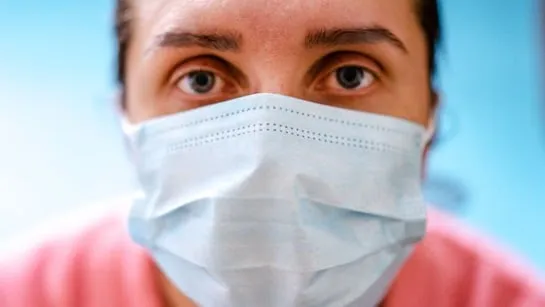
2. Use Certified Anti-Pollution Masks
Cloth or surgical masks provide little protection against fine particulate matter. Experts recommend using N95 or N99 masks, which are designed to filter out at least 95–99% of airborne particles. Ensure the mask fits snugly over the nose and mouth without gaps. Replace disposable masks regularly, and avoid reusing them beyond their recommended duration.
For individuals with respiratory sensitivity, powered air-purifying respirators (PAPRs) can offer an additional layer of protection during extended outdoor exposure.
---
3. Improve Indoor Air Quality
While staying indoors reduces exposure, pollution can still infiltrate through windows and doors. To combat this, invest in a HEPA-based air purifier for living spaces and bedrooms. Regularly clean filters and vacuum with a high-efficiency particulate air system.
Adding indoor plants such as areca palm, peace lily, or snake plant can also aid in air purification by absorbing toxins and releasing oxygen. Additionally, seal air leaks and avoid burning candles, incense, or cigarettes indoors, as these can further degrade air quality.
---
4. Focus on Nutrition and Hydration
A strong immune system is key to resisting the harmful effects of air pollution. Nutritionists recommend increasing the intake of foods rich in antioxidants, omega-3 fatty acids, and vitamin C, which help combat oxidative stress. Include spinach, broccoli, citrus fruits, and nuts in your daily meals.
Drink plenty of water to flush toxins from the body, and consider herbal teas infused with tulsi, ginger, or turmeric for their anti-inflammatory benefits. Limiting alcohol and caffeine can also help maintain hydration levels and lung health.
---
5. Use Steam and Nasal Cleansing
Simple home remedies such as steam inhalation can help clear the respiratory tract and remove accumulated pollutants. Using saline nasal sprays or performing jala neti (nasal cleansing with saline water) can also alleviate irritation caused by dust and particulate matter.
Those with chronic respiratory issues should consult their physicians for preventive medication or inhalers to manage flare-ups during high-pollution periods.
---
6. Keep Your Home and Vehicle Clean
Regular cleaning helps reduce dust accumulation indoors. Use a damp cloth instead of dry dusting to prevent re-suspending particles into the air. Wash curtains, bed linens, and carpets frequently.
Car owners should maintain air filters and keep windows rolled up while driving. Installing a portable car air purifier can also reduce exposure during commutes through heavily polluted areas.
---
7. Stay Informed and Act Responsibly
Awareness remains the first step toward prevention. Track AQI levels daily and adjust your activities accordingly. Advocate for sustainable practices such as carpooling, using public transport, and planting trees in your neighborhood. Collective civic responsibility can gradually reduce pollution levels and create healthier urban environments.
---
Conclusion: Adapting for Survival in a Polluted Era
Living in Delhi’s polluted climate demands more than awareness—it requires active adaptation. While citizens must take every possible precaution to safeguard their health, long-term relief lies in systemic action. Reducing vehicular emissions, promoting clean energy, and curbing crop residue burning are essential to reversing the crisis.
Until then, personal vigilance remains the strongest defense. Clean air is not merely a privilege—it is a right that must be preserved through both individual responsibility and collective accountability.
Comments