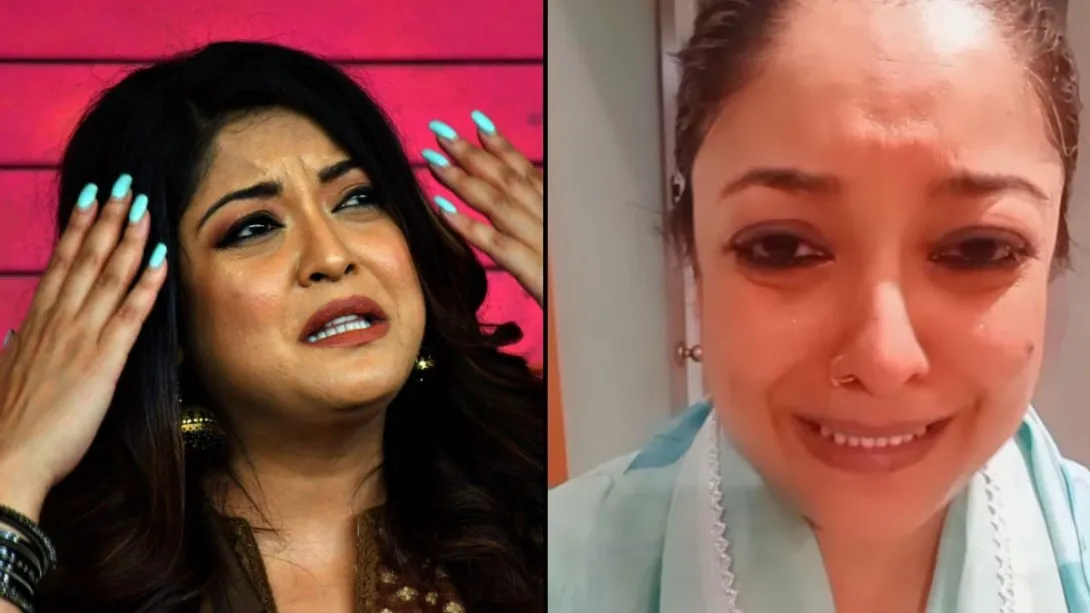
In a deeply emotional revelation, actress and social activist Tanushree Dutta has once again found herself in the public eye—not for her cinematic work, but for voicing concerns about her safety. In a recently shared video, Dutta appeared visibly distressed as she alleged ongoing harassment at her residence, suggesting deliberate intimidation and psychological pressure. The video has reignited conversations around the challenges faced by women who speak out, particularly those in the public domain. Her claims bring renewed urgency to debates around personal safety, systemic accountability, and the treatment of whistleblowers in India’s social and legal ecosystem.
---
A Cry for Help Amid Continued Distress
Tanushree Dutta, once hailed for catalyzing India’s #MeToo movement, has shared a heartfelt video alleging that she is being harassed in her own home. Visibly shaken, Dutta detailed a series of troubling incidents that she says are meant to silence and mentally destabilize her. She stopped short of naming individuals, but the emotional gravity of her words painted a picture of isolation, vulnerability, and fear.
This is not the first time the actress has spoken out about feeling targeted. However, her latest statements suggest an escalation in both the intensity and frequency of such incidents.
---
From Cinematic Stardom to Reluctant Activism
Tanushree Dutta has long walked the uneasy line between celebrity and activist. In 2018, she became a central figure in India’s reckoning with workplace harassment when she accused a prominent actor of misconduct on a film set—an allegation that helped spark widespread discourse across industries. While that movement opened doors for many, Dutta has since reported facing backlash, career setbacks, and social alienation.
Her new claims of harassment could be interpreted as a continuation of that trajectory—one in which speaking truth to power appears to carry a high personal cost.
---
Broader Questions of Accountability and Support
Dutta’s video once again shines a spotlight on how institutions, both public and private, respond—or fail to respond—when individuals allege harassment. She questioned the apparent lack of action or protection, indirectly referencing the broader systemic reluctance to support those who challenge influential power structures.
In many ways, her situation underscores the psychological and logistical toll of being a persistent voice for justice in an environment that often prioritizes silence over accountability.
---
Public Reactions and the Road Ahead
The emotional rawness of the video has evoked sympathy from various corners of the public, though official responses remain limited. Supporters have called for greater protection for individuals who raise such alarms, especially when prior grievances have gone unresolved. Some social commentators have also pointed out the gendered dimensions of disbelief, where women expressing emotional distress are often dismissed or discredited.
As Dutta’s message circulates, the coming days may see increased pressure on authorities to take cognizance of her allegations and ensure her safety.
---
Conclusion
Tanushree Dutta’s latest disclosure is more than a personal lament—it is a stark reminder of the emotional and physical vulnerability that whistleblowers and outspoken individuals often endure. Her courage in sharing her ordeal publicly, despite potential personal consequences, should serve as a call to examine how society safeguards—or neglects—the very people who dare to speak out. Whether her claims receive due attention or fade into the background will say much about the country’s commitment to justice, dignity, and human rights.
Comments