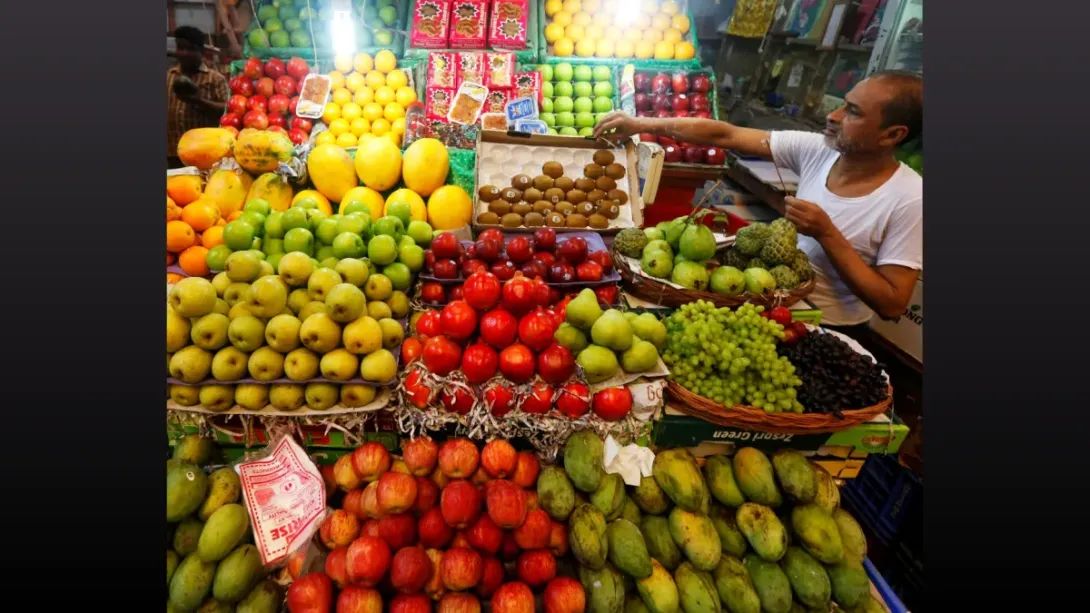
India’s battle with inflation may face fresh headwinds, as tariff increases on key imports threaten to stoke price pressures in the coming months. According to economist Malhotra, the recent protectionist tilt in trade policy—especially in sectors such as electronics, EVs, and essential commodities—could contribute to elevated consumer prices. While domestic demand remains robust, the ripple effects of higher import duties may transmit into core inflation, prompting caution for monetary policy. The commentary underscores a delicate balancing act between nurturing local manufacturing and shielding households from inflationary spillovers.
---
Rising Tariffs and Policy Direction
India has recently escalated tariffs across several sectors, ranging from electronics and EV components to agricultural and consumer goods. The move is part of a broader push toward self-reliance and import substitution. While such steps aim to bolster domestic manufacturing, they also raise the cost of imported inputs, which can cascade through supply chains and ultimately burden consumers.
Malhotra highlighted that while the long-term vision aligns with national industrial growth, the short-term impact on retail prices is likely non-trivial. “Higher tariffs may serve the Make in India agenda, but they also bring a cost—quite literally—on inflation,” he noted.
---
Implications for Inflation Management
India’s retail inflation, which has shown signs of moderation in recent quarters, remains vulnerable to supply-side shocks. With food inflation already sticky and energy prices fluctuating, any rise in input costs due to tariffs could further complicate price stability.
According to Malhotra, imported consumer goods and capital equipment may become more expensive, particularly in the electronics and electric vehicle sectors. As manufacturers pass on these costs, consumers may feel the pinch—especially in urban markets where discretionary spending is higher.
“There’s a lagged impact,” he explained. “Initially, producers may absorb the costs, but sustained tariff regimes often translate to higher end-user prices.”
---
Policy Tightrope for the RBI
The Reserve Bank of India (RBI), which has maintained a cautious stance on rate cuts, will likely monitor these developments closely. With inflation expectations still elevated in some segments, premature monetary easing could be counterproductive if tariff-induced pressures escalate.
“The RBI has done well to build credibility in inflation targeting,” Malhotra remarked. “But any external price shock—be it crude oil, food imports, or now tariff pass-through—could push inflation outside the comfort band.”
This underscores the need for coordinated fiscal and trade policy that doesn’t run counter to monetary objectives.
---
Domestic Manufacturing vs. Price Stability
The government’s strategy is centered on long-term structural shifts—developing domestic capabilities, reducing import dependency, and generating employment. However, the transition is inherently inflationary unless supply-side efficiencies compensate for cost escalations.
Malhotra urged a calibrated approach: “Supporting local industry is vital, but the sequencing matters. Infrastructure, ease of doing business, and innovation ecosystems must evolve alongside tariff adjustments.”
Without adequate domestic capacity to replace imports at competitive prices, consumers may be caught between higher duties and limited alternatives.
---
Outlook: Navigating a Complex Economic Landscape
India stands at a critical juncture, trying to reconcile its ambition for economic self-reliance with the imperative of price stability. While tariffs are a strategic lever for industrial development, their inflationary implications cannot be ignored.
As Malhotra aptly summarized, “It’s not just about protecting borders from goods; it’s about protecting wallets from inflation. Smart policy lies in balancing both.”
The coming quarters will test policymakers’ ability to navigate this tightrope—ensuring that the pursuit of self-sufficiency does not inadvertently erode the purchasing power of India’s growing middle class.
Comments