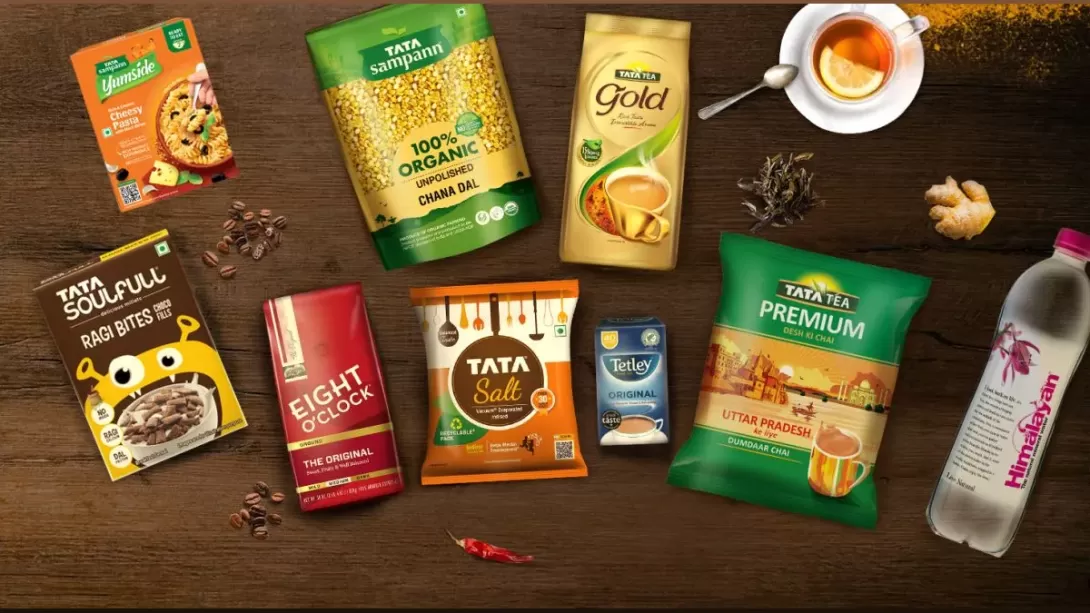
Tata Consumer Products Ltd. (TCPL), the Tata Group’s fast-growing FMCG arm, is reinforcing its growth strategy by balancing bold acquisitions with a disciplined focus on organic expansion. In its annual general meeting, company leadership confirmed its openness to acquiring synergistic brands, while highlighting the ongoing integration of Capital Foods and Organic India, purchased for a combined Rs. 7,000 crore. TCPL is also eyeing higher margins in tea and double-digit growth in coffee. As it confronts inflation, urban demand slowdowns, and global trade dynamics, the company is steering its portfolio toward wellness, Gen Z-driven trends, and digital commerce.
Organic Growth First, Acquisitions When Strategic
Tata Consumer Products, though relatively new in the FMCG space, is steadily consolidating its position through thoughtful market plays. Speaking to shareholders at the company’s AGM, TCPL Director P.B. Balaji reiterated the firm’s commitment to organic growth while remaining “opportunistic” about acquisitions that complement its existing portfolio.
With a track record of notable deals—including the Rs. 7,000 crore acquisition of Capital Foods and Organic India—TCPL continues to maintain significant financial capacity for future expansion. “We have a sizable amount of gunpowder,” Balaji remarked, signalling readiness for bolt-on acquisitions rather than transformative overhauls in the near term.
Strengthening Core Segments: Tea, Coffee, and Snacking
Tea, a cornerstone of TCPL’s product portfolio, is expected to see improved profitability this fiscal year. Balaji cited stabilizing tea crop output and steady auction prices as positive signals, suggesting a better financial performance than in the inflation-impacted previous year.
With a global tea market share of approximately 20 percent, TCPL is poised to benefit from normalized tea supply conditions. Similarly, the company’s unbranded coffee business is projected to deliver double-digit growth—an expected 21 percent increase—fueled by integrated operations and deeper understanding of commodity trends.
Snacking is another critical growth avenue, boosted by the acquisition of Bengaluru-based Soulfull and Capital Foods. These brands have bolstered TCPL’s presence in the fast-evolving ready-to-cook and health-focused snack segments.
Tata Starbucks: Store Expansion Drives Short-Term Losses
TCPL’s joint venture with Starbucks continues to focus on geographical expansion across India. While widening losses have been observed, Balaji clarified that the profitability of existing stores remains under control. The financial drag, he said, is largely due to aggressive store additions—a long-term investment in market capture rather than operational inefficiency.
This measured approach aligns with Starbucks' global playbook, leveraging strategic expansion to penetrate emerging markets while maintaining profitability at the unit level.
Managing Inflation and Market Volatility
Cost management remains a priority for TCPL in light of persistent inflationary pressures, particularly in tea. While the company has introduced calibrated price hikes, it aims to remain competitively positioned in the market. Balaji emphasized the importance of internal efficiency and cost-saving measures over outright price escalation.
In the U.S. market—where TCPL commands a notable presence with brands such as Eight O’Clock Coffee and Tetley—the company is navigating the impact of new U.S. tariffs under the Trump administration. Although Balaji acknowledged potential demand stress, he noted that competitors are similarly affected, suggesting a level playing field.
Digital Sales and Gen Z: Building for the Future
Digital commerce now accounts for 13 percent of TCPL’s total sales, underlining the importance of e-commerce and direct-to-consumer strategies in its business model. The company’s focus is expanding into breakfast items, mini-meals, and snacks—categories with high demand among Gen Z consumers.
“This generation is an opportunity,” Balaji remarked, pointing to TCPL’s renewed efforts in digital transformation and wellness-oriented product lines. Its reshaped portfolio reflects changing consumption patterns, particularly the rising preference for convenience, health, and sustainability.
The company also clarified that it has no plans to enter into dairy or edible oils, opting instead to concentrate on high-margin, strategically aligned sectors.
Conclusion: Navigating Challenges with Strategic Clarity
Despite inflationary pressures, urban demand headwinds, and trade policy uncertainties, Tata Consumer Products is leveraging a dual engine of innovation and acquisition to power growth. With a clearly defined focus on wellness, digital reach, and emerging consumer segments, the company is crafting a future-ready portfolio. Its balanced approach—combining financial discipline with market agility—positions it as a formidable player in India’s evolving FMCG landscape.
Comments