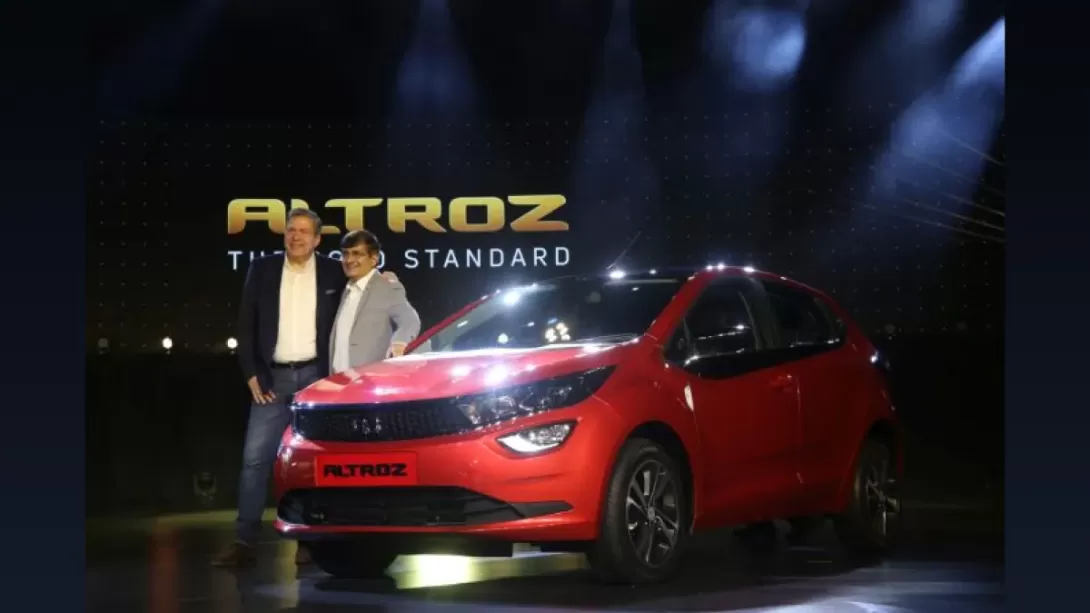
Tata Motors projects a conservative low single-digit growth in passenger vehicle sales for the fiscal year 2025-26, aligning with industry expectations. The company is pinning its hopes on reviving its premium hatchback segment, particularly through the launch of the all-new Altroz, priced between Rs 6.89 lakh and Rs 11.29 lakh. Despite shelving plans for an electric Altroz due to market saturation in the Rs 8-15 lakh EV segment, Tata remains optimistic about growth in mid and premium hatchbacks. The firm aims to reclaim a 25% share in the premium hatchback space, leveraging demographic shifts and evolving consumer preferences.
Industry Outlook and Growth Projections
Tata Motors’ outlook for fiscal 2025-26 mirrors the overall market forecast, which anticipates modest growth in passenger vehicle (PV) sales, largely between 1% and 4%, according to industry bodies like SIAM. Shailesh Chandra, Managing Director of Tata Motors Passenger Vehicle Ltd and Tata Passenger Electric Mobility Ltd, emphasized that market conditions remain similar to the prior fiscal year, with inflationary pressures and subdued urban consumer sentiment continuing to temper demand.
Retail data from the Federation of Automobile Dealers Associations (FADA) supports this view, showing a 4.9% growth in PV sales in FY25 to 41.53 lakh units. However, Tata Motors saw a slight dip in retail sales to 5.36 lakh units, down from 5.39 lakh units in FY24.
Revitalizing the Premium Hatchback Segment
The company’s strategic focus lies in reclaiming market share within the premium hatchback segment, where its presence has waned over the past eighteen months. The new Altroz model is poised to spearhead this revival, offering petrol, CNG, and diesel variants across a price spectrum tailored for aspirational buyers.
Chandra explained that the previous generation of Altroz had seen sales decline sharply from a monthly peak of roughly 6,000 units to between 2,000 and 2,500 units due to product aging. This decline contributed to a loss of 50,000-60,000 hatchback sales last year. Conversely, the recently refreshed Tiago has already returned to peak monthly sales levels of 7,000 to 7,500 units, signaling renewed consumer interest in mid-segment hatchbacks.
Hatchback Segment: Challenges and Opportunities
While overall hatchback sales have shrunk from 45% to about 25% of the passenger vehicle market over the past five years, Tata Motors sees significant promise in the mid and premium sub-segments. The entry-level hatchback segment faces intense competitive pressure, but the premium and mid-segment categories are growing steadily, now accounting for roughly one-third of hatchback sales, with an annual volume of 10-12 lakh units.
Demographic shifts, including a doubling of high-income households (earning above Rs 15 lakh annually) to nearly 65 million in the next five to six years, underpin Tata’s confidence in these sub-segments. These affluent buyers are expected to gravitate toward premium hatchbacks as their first car choice, presenting a lucrative opportunity.
Electric Altroz on Hold Amid Market Dynamics
Despite initial plans to launch an electric version of the Altroz priced between Rs 8 lakh and Rs 15 lakh, Tata Motors has decided to pause the project. The decision reflects market realities: the segment is already served by three electric models—Tiago.ev, Punch.ev, and Nexon.ev. Chandra noted that introducing a fourth offering could saturate the segment, especially as battery prices decline and competition intensifies.
Though the Altroz.ev project has progressed considerably, the company is choosing to consolidate its electric portfolio for now. However, Chandra left the door open for revisiting the electric Altroz in the future, should market conditions warrant it.
Conclusion: Navigating a Transitional Market
Tata Motors’ cautious growth forecast reflects broader market realities of moderation after several years of robust expansion. The company’s strategic emphasis on refreshing key models like the Altroz and Tiago, coupled with a keen eye on premium hatchback demand, positions it well for sustainable recovery.
By adapting to shifting consumer preferences and recalibrating its electric vehicle ambitions, Tata Motors is charting a path to regain lost market share while preparing for an increasingly competitive and segmented automotive landscape.
Comments