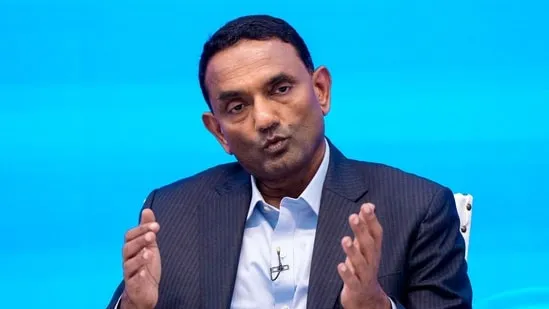
The recent disclosure of Tata Consultancy Services (TCS) CEO K. Krithivasan’s Rs. 26 crore compensation package has ignited widespread debate, coming at a time when the IT giant has reportedly laid off over 12,000 employees. The stark contrast between executive pay and workforce downsizing has drawn criticism from labor analysts and industry observers, reigniting the conversation about income disparity in India’s corporate sector. As companies grapple with economic headwinds and automation-led restructuring, questions are now being raised about ethical leadership, compensation transparency, and the long-term implications of such widening pay gaps.
Leadership Compensation Under Scrutiny
TCS, India’s largest IT services provider by market capitalization, found itself at the center of a public and industry-wide discourse after CEO K. Krithivasan’s annual remuneration package crossed Rs. 26 crore. While high executive pay is not uncommon in the tech sector, what set this revelation apart was its timing—just as the company implemented workforce rationalization strategies, reportedly displacing thousands of employees.
Krithivasan’s package includes a base salary of Rs. 1.7 crore, with the remainder derived from performance-linked incentives, stock options, and other perquisites. This level of compensation, while performance-driven, has nevertheless sparked ethical concerns around corporate governance and stakeholder balance.
Workforce Restructuring Raises Ethical Questions
Reports of layoffs affecting more than 12,000 employees across functions and geographies have fueled dissent. Although TCS has not confirmed the exact number, industry insiders suggest that the cuts were a response to sluggish demand, client budget constraints, and the increasing role of generative AI and automation in software services.
The layoffs appear to be part of a broader trend in the global IT sector, where even leading firms are reshaping their workforce models to adapt to evolving technological and economic realities. However, critics argue that such significant job cuts—especially in a country with rising youth unemployment—ought to be accompanied by a more balanced and restrained executive compensation approach.
Shareholder Perspectives and Market Response
Institutional investors have so far remained silent on the issue, possibly due to TCS’s strong financial fundamentals and consistent dividend history. For the fiscal year, the company reported robust profits, a strong order book, and resilient margins, which may have supported the board’s approval of the CEO’s compensation.
Yet, as environmental, social, and governance (ESG) metrics gain ground in boardroom decision-making, the disparity between executive rewards and workforce outcomes could attract increasing scrutiny. Market analysts suggest that over time, such imbalances may affect brand reputation, employee morale, and shareholder activism.
Public Sentiment and the Perception Gap
On social media and professional forums, reactions have been polarized. While some defended the CEO’s compensation as a reward for delivering results in a highly competitive environment, others questioned the fairness of rewarding leadership while frontline employees face job insecurity. A notable comment from a former IT employee encapsulated the frustration: “This is not a charity, but leadership must lead by example.”
The debate is emblematic of a larger sentiment shift, especially among younger professionals who expect corporate leadership to demonstrate not only profit stewardship but also empathetic management.
Conclusion: A Moment of Reckoning for Corporate India?
The controversy surrounding TCS’s executive pay amid layoffs underscores a growing disconnect in corporate narratives. As Indian IT firms transition from traditional service models to digital transformation and AI-centric strategies, they must also navigate a shifting landscape of public accountability and workforce expectations.
Companies that fail to address the optics and ethics of executive compensation during times of cost-cutting risk long-term reputational damage. Going forward, aligning compensation practices with principles of equity, transparency, and shared success may be key to preserving trust and sustaining competitive advantage in a socially conscious marketplace.
Comments