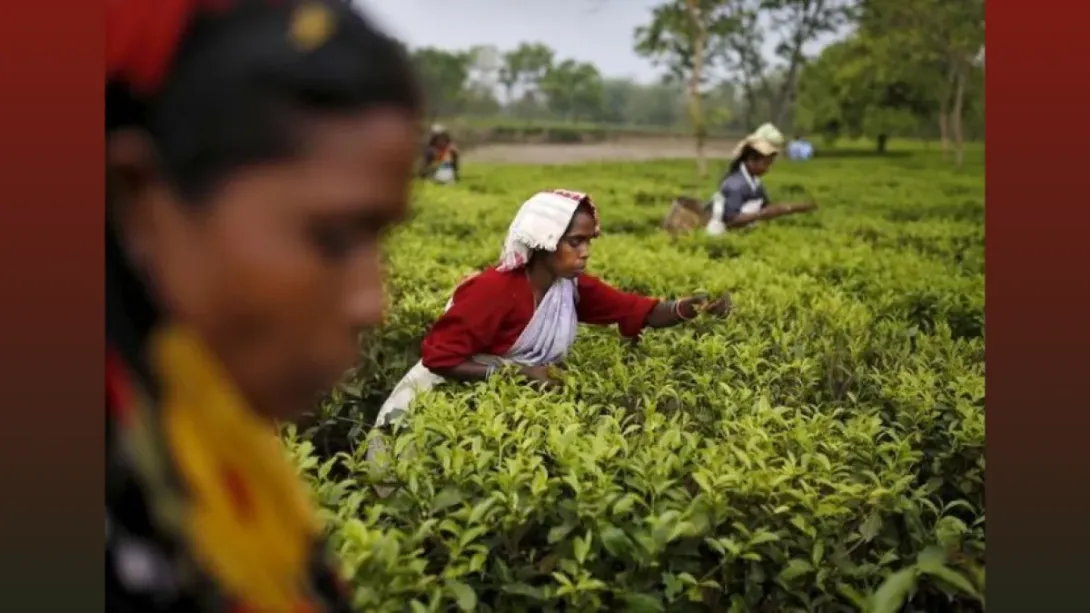
India’s small tea growers have urged the Tea Board of India to issue formal stop-plucking orders during the winter dormancy period to preserve plant health and improve the quality of tea leaves. The Confederation of Indian Small Tea Growers Associations (CISTA) has recommended that plucking cease by December 20 in Assam and December 25 in West Bengal. The industry body warns that continued harvesting during dormancy diminishes leaf quality, undermines market prices, and jeopardizes long-term productivity. The appeal underscores growing concerns about sustainability and competitiveness in India’s tea sector amid volatile global demand.
Small Growers Push for Seasonal Rest
CISTA, which represents thousands of small tea growers across the country, has urged regulatory intervention to enforce a uniform plucking schedule. The association highlighted that while the Tea Board has occasionally issued plucking deadlines in the past, adherence has been inconsistent, resulting in variable leaf quality and uneven production standards.
Bijoy Gopal Chakraborty, president of CISTA, emphasized that “continued plucking during the dormancy period affects both the health of the tea bushes and the integrity of the final produce.” He added that the proposed schedule—December 20 for Assam and December 25 for West Bengal—would allow sufficient time for the bushes to rejuvenate before the next growing season begins.
Quality Concerns and Economic Impact
Growers argue that premature or excessive harvesting during winter months leads to low-grade leaf, which fetches reduced prices in both domestic and export markets. Since India’s tea exports are competing with higher-quality produce from Kenya and Sri Lanka, maintaining consistency has become critical to sustaining profitability.
According to CISTA, the lack of uniform plucking rules also affects small growers disproportionately. Many of them depend entirely on the seasonal crop for their livelihoods, and lower auction prices can lead to financial strain. Chakraborty noted that if stop-plucking orders are not enforced, “the industry risks entering a distress phase” where quality degradation could erode India’s competitive standing.
The Role of the Tea Board
The Tea Board of India plays a crucial regulatory role in defining plucking and manufacturing timelines. Historically, it has declared specific cut-off dates for different regions, but these guidelines are often treated as advisory rather than mandatory. Growers are now pushing for stricter enforcement to ensure all stakeholders—from smallholders to large estates—comply uniformly.
Industry observers note that a well-enforced plucking schedule could have long-term benefits, including higher average prices, improved soil health, and a more predictable production cycle. However, some large estates caution that a blanket restriction might disrupt labour utilization and cash flow, especially if alternative employment opportunities for workers are not arranged during the non-plucking period.
Balancing Quality, Livelihood, and Regulation
The debate highlights the delicate balance between maintaining crop quality and supporting smallholder livelihoods. While a seasonal halt may improve output quality and sustainability, it could temporarily reduce income for small growers who lack diversified sources of revenue. Experts suggest that complementary measures—such as government subsidies or crop management training—could ease the transition.
As the Tea Board considers CISTA’s appeal, the broader industry conversation is shifting toward quality assurance, sustainability, and market competitiveness. With India’s tea exports increasingly facing global scrutiny for consistency and taste, regulatory clarity on plucking schedules could become a defining step in repositioning Indian tea on the world stage.
Comments