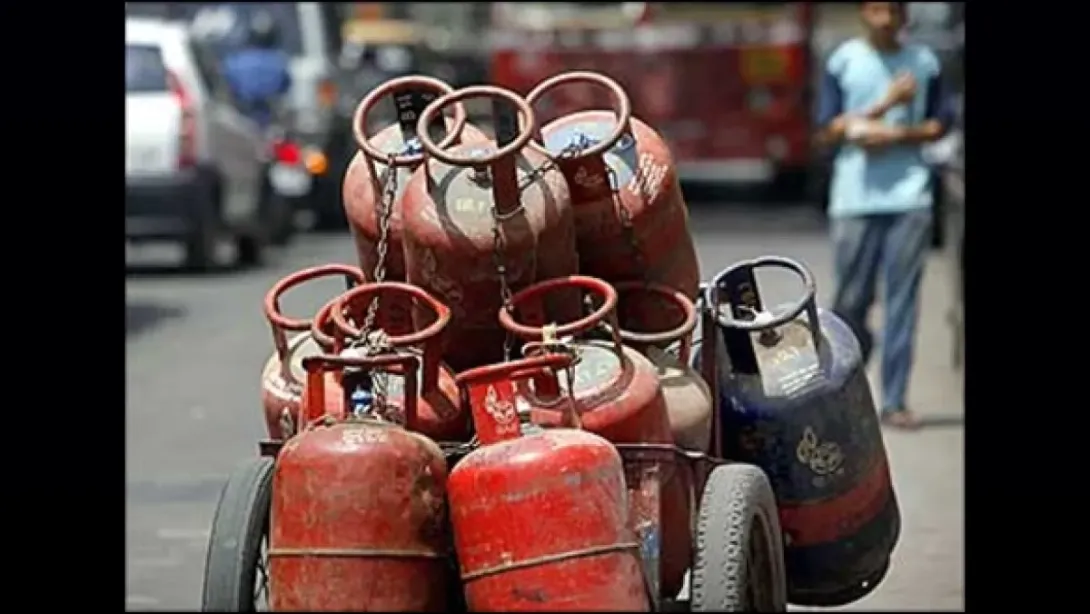
A new study by The Energy and Resources Institute (TERI) has recommended that Auto LPG be formally integrated into India’s clean fuels strategy, citing its potential to deliver immediate environmental and economic benefits. The report highlights Auto LPG as a low-emission, cost-effective alternative to conventional automotive fuels that can be rapidly scaled using existing infrastructure. By positioning Auto LPG as a complementary option alongside electric mobility and compressed natural gas, the study underscores a pragmatic, technology-neutral approach to reducing vehicular emissions. The findings add momentum to policy discussions on balancing long-term decarbonization goals with near-term solutions.
Auto LPG’s Role in a Transitional Energy Mix
TERI’s analysis underscores that Auto LPG remains an underrepresented fuel in India’s mobility transition despite its established global usage. The study notes that the fuel can be adopted without major changes to vehicle design or distribution systems, making it a practical option for faster emission reductions.
Researchers argue that including Auto LPG in national fuel strategies would support a smoother transition by bridging the gap between conventional fuels and emerging clean technologies.
Environmental Gains and Emission Reductions
According to the study, vehicles running on Auto LPG emit lower levels of particulate matter, nitrogen oxides, and carbon dioxide compared with petrol-powered vehicles. These reductions could have a meaningful impact on air quality in densely populated urban centers.
The report emphasizes that immediate emission cuts are critical, particularly in cities struggling with pollution, and that Auto LPG offers a ready-to-deploy solution with measurable environmental benefits.
Cost Advantages for Consumers and Operators
Beyond environmental considerations, TERI highlights the economic case for Auto LPG adoption. The fuel is generally priced lower than petrol, translating into direct savings for vehicle owners in Rs. terms over the life of the vehicle.
These cost efficiencies could be especially relevant for fleet operators and high-usage segments, where fuel expenses account for a significant share of operating costs.
Complementing Electric Mobility, Not Competing With It
The study makes a clear distinction between long-term decarbonization pathways and near-term interventions. While electric vehicles remain central to India’s future mobility vision, challenges related to charging infrastructure, battery costs, and grid readiness continue to slow adoption.
In this context, TERI positions Auto LPG as a complementary fuel that can reduce emissions immediately while the ecosystem for electric mobility matures.
Policy Recommendations and Way Forward
TERI calls for stronger policy recognition of Auto LPG through inclusion in clean fuel programs, fiscal incentives, and public awareness initiatives. The report also recommends regulatory clarity to encourage vehicle conversions and greater participation by original equipment manufacturers.
Energy experts say the study reinforces the case for a diversified, technology-agnostic approach to clean mobility. By leveraging multiple solutions, policymakers can achieve faster, more cost-effective progress toward environmental and energy security objectives.
Comments