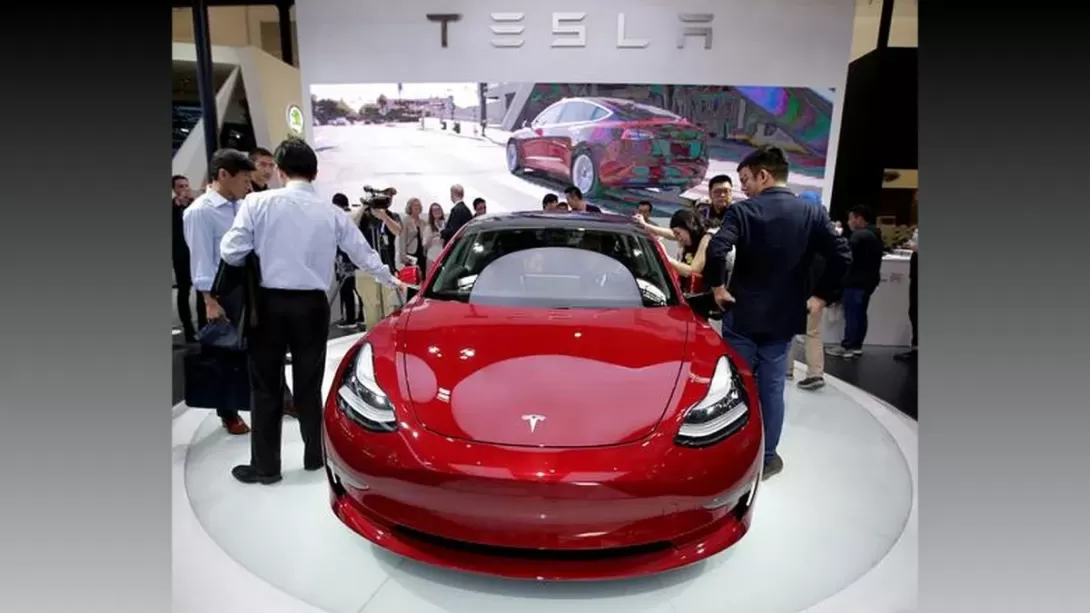
Tesla India has leased a 24,565 square feet warehousing facility in Mumbai’s Lodha Logistics Park, marking a significant step in its methodical expansion across the Indian market. The five-year lease, commencing June 1, 2025, involves a starting monthly rent of Rs 37.53 lakh, with annual rent escalations of 5 percent, totaling approximately Rs 24 crore. This move aligns with Tesla’s broader strategy of establishing a comprehensive footprint in India, complementing its offices and showrooms in key cities. Despite speculation regarding manufacturing, company intentions currently focus on sales and distribution infrastructure, underscoring a cautious yet purposeful market entry.
Tesla’s Strategic Footprint Expands with Mumbai Warehousing Lease
Tesla India Motor & Energy Pvt Ltd has entered into a lease agreement for nearly 25,000 square feet of warehousing space at the Lodha Logistics Park in Kurla-West, Mumbai. The facility, leased from Macrotech Developers Ltd — a prominent real estate developer operating under the Lodha brand — will serve as a crucial node in Tesla’s supply chain and logistics network within the country.
The lease, confirmed by real estate analytics firm CRE Matrix through a detailed examination of registration documents, spans five years starting June 1, 2025. The initial monthly rent is pegged at Rs 37.53 lakh, with an annual escalation of 5 percent, amounting to a total rental commitment of around Rs 24 crore over the contract period.
Interpreting the Lease as a Market Signal
Abhishek Kiran Gupta, CEO of CRE Matrix, interprets Tesla’s warehousing commitment not merely as a commercial real estate transaction but as a clear indication of the electric vehicle giant’s broader Indian market ambitions. “Tesla’s India entry is unfolding through a calculated, multi-city rollout—from its corporate office in Pune, flagship showrooms in BKC and Delhi-NCR, to now a strategically located logistics hub in Mumbai,” Gupta explained.
This infrastructural investment underscores Tesla’s intent to bolster its distribution capabilities and after-sales service infrastructure, essential components for fostering consumer confidence and operational efficiency in a market where electric vehicle penetration is still evolving.
Contextualizing Tesla’s Indian Strategy Amid Manufacturing Speculation
Despite the forward movement in distribution infrastructure, questions remain about Tesla’s manufacturing plans in India. Recently, Union Heavy Industries Minister H. D. Kumaraswamy remarked that Tesla has shown reluctance to initiate domestic car manufacturing. Instead, the company appears focused on establishing an extensive network of showrooms and service centers, indicating a phased approach that prioritizes market entry and brand building over capital-intensive local production.
Tesla’s strategy seems to echo a cautious stance prevalent among global automakers navigating India’s complex regulatory environment and nascent EV ecosystem. By prioritizing logistical readiness and sales infrastructure, Tesla aims to secure a foothold while assessing the long-term viability of manufacturing investments.
The Significance of Lodha Logistics Park Location
The choice of Lodha Logistics Park in Kurla-West is noteworthy given Mumbai’s stature as a commercial and logistical hub. Proximity to major transportation arteries, port facilities, and urban centers makes this location ideal for warehousing and distribution. Macrotech Developers’ established presence and the facility’s modern amenities further enhance Tesla’s operational capabilities.
The Rs 153 per square foot leasing rate reflects competitive market pricing, demonstrating Tesla’s willingness to invest premium resources in quality infrastructure to support its Indian ambitions.
Conclusion: Tesla’s Incremental but Intentional India Expansion
Tesla’s leasing of a substantial warehousing space in Mumbai is a tangible milestone in its India market trajectory. While manufacturing plans remain tentative, the firm’s investments in sales and logistics infrastructure signal a strategic, phased approach designed to capitalize on India’s emerging electric vehicle market.
This move highlights Tesla’s recognition of the country’s potential and challenges, emphasizing operational preparedness and brand establishment as precursors to broader market penetration.
Comments