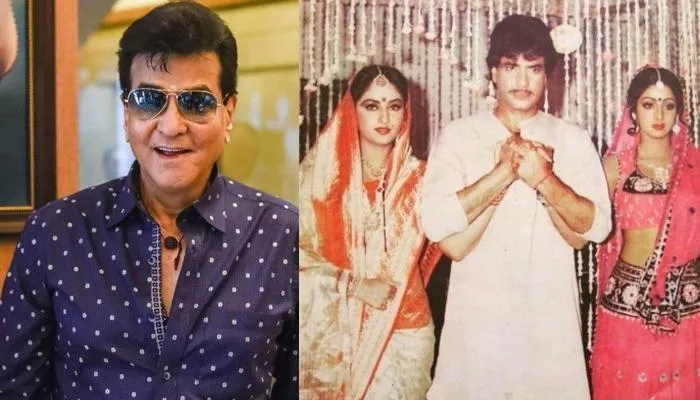
Jeetendra and Reena Roy’s cinematic partnership defined an era of elegance, charm, and emotional storytelling in Hindi cinema. During the late 1970s and early 1980s, their on-screen collaborations produced a series of memorable films that resonated deeply with audiences across India. Known for their graceful performances, expressive depth, and strong screen presence, the duo balanced glamour with substance, leaving behind a legacy of romance, resilience, and heartfelt narratives. Even decades later, their movies remain celebrated for their melodious soundtracks, cultural relevance, and the enduring charm that continues to captivate classic film enthusiasts.
---
A Golden Chapter in Hindi Cinema
The collaboration between Jeetendra and Reena Roy came at a time when Hindi cinema was evolving—balancing traditional storytelling with modern sensibilities. Jeetendra, fondly called the “Jumping Jack” for his energetic dance moves and dynamic screen persona, found in Reena Roy an actress of rare expressiveness and emotional strength. Together, they created a series of films that combined entertainment with pathos, embodying the essence of mainstream Bollywood cinema.
Their pairing represented a seamless fusion of charisma and credibility. While Jeetendra brought effortless style and spontaneity, Reena Roy’s nuanced performances added emotional depth. Their shared screen presence became synonymous with dependable box-office success and cinematic finesse.
---
Blockbuster Hits That Defined Their Legacy
The Jeetendra–Reena Roy partnership produced several films that are now regarded as milestones in their respective careers. Some of their most popular hits include “Aasha” (1980), “Arpan” (1983), “Judaai” (1980), “Apnapan” (1977), “Pyaasa Sawan” (1981), “Jaani Dushman” (1979), and “Badalte Rishtey” (1978). Each film portrayed different shades of love, sacrifice, and human relationships, resonating strongly with family audiences of the time.
In particular, “Aasha” became a defining moment for the duo, featuring the evergreen song “Sheesha Ho Ya Dil Ho”, which continues to hold emotional appeal. “Apnapan” showcased Reena Roy’s powerful acting range, while Jeetendra’s understated performance earned critical acclaim. Their ability to balance emotional depth with mass appeal made their films commercially and critically successful.
---
Musical Brilliance and Emotional Storytelling
A hallmark of the Jeetendra–Reena Roy films was their unforgettable music. Composers like Laxmikant–Pyarelal and Kalyanji–Anandji delivered soulful tunes that elevated the emotional tone of their movies. Songs such as “Humko Tumse Ho Gaya Hai Pyaar,” “Shaam Hai Dhuan Dhuan,” and “Dafliwale Dafli Baja” became chart-toppers, blending melody with meaning.
Their films often revolved around emotional dilemmas, moral choices, and the complexities of human relationships—elements that appealed deeply to Indian audiences navigating changing social dynamics during the period. The music not only added rhythm but also served as a storytelling tool, reflecting the duo’s emotional journey on screen.
---
An Enduring Impact Beyond Generations
What truly set Jeetendra and Reena Roy apart was their ability to connect with the audience on a personal level. They weren’t just actors playing roles—they became reflections of the common man’s emotions, aspirations, and struggles. Their films carried themes of hope, loyalty, and redemption, presented with an unmistakable sincerity that transcended cinematic trends.
Decades later, as Bollywood continues to evolve, their partnership remains a reference point for chemistry built on mutual respect and artistic balance. Their movies are frequently revisited on television and digital platforms, proving that genuine artistry, when rooted in emotional authenticity, never fades with time.
---
Conclusion
The Jeetendra–Reena Roy era represents more than just nostalgia; it embodies the elegance of storytelling that defined Bollywood’s most cherished decades. Their collective body of work remains a tribute to timeless cinema—an era when emotions led narratives and music carried stories forward. In the annals of Indian film history, their pairing continues to shine as a symbol of classic romance, artistic integrity, and enduring cinematic magic.
Comments